
New brain research shows that learning to speak depends more on the senses than previously thought

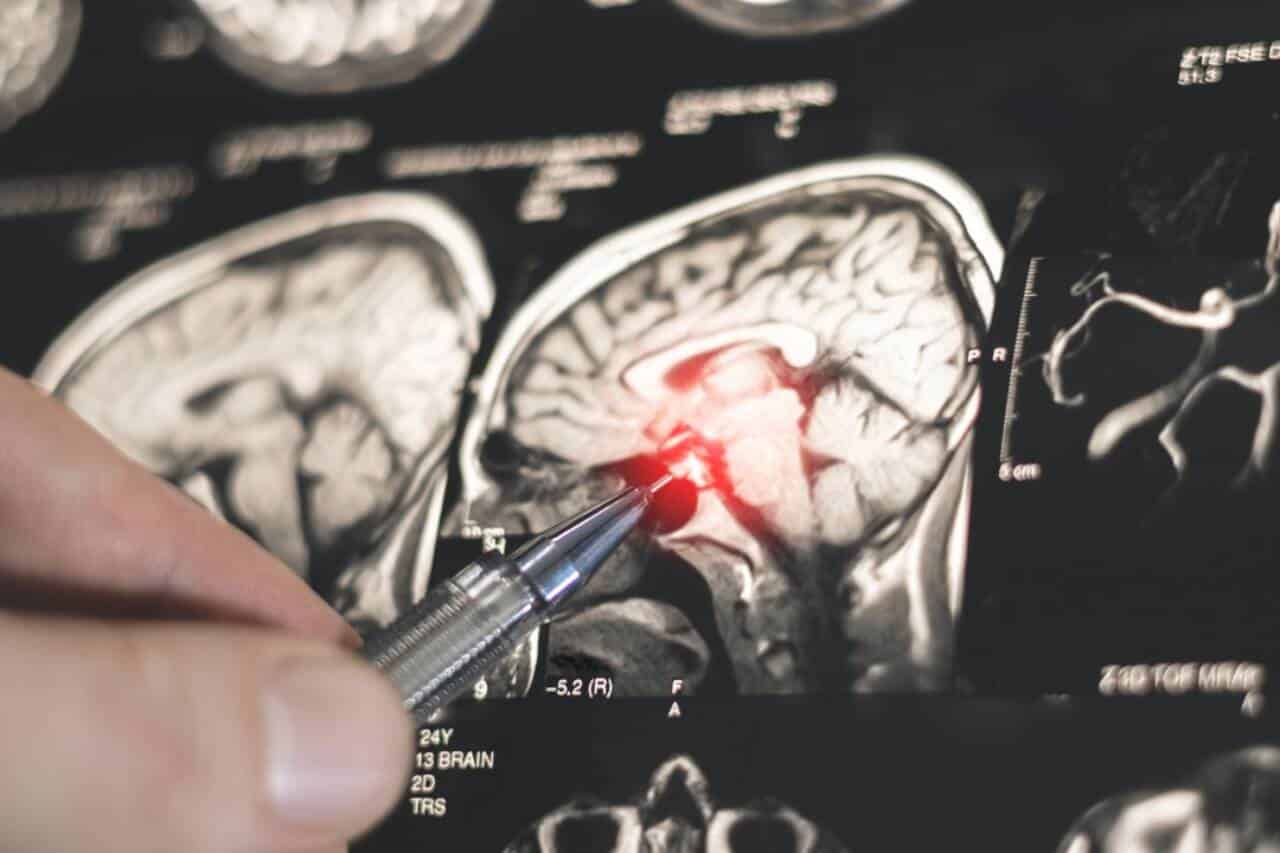
New research into the functioning of the brain reveals that the process of acquiring and memorizing speech differs significantly from previous conceptions.
The research, published by McGill University, suggests that the ability to speak is more linked to the way the brain interprets sounds and physical sensations than to the movements of the mouth and face. This revelation has the potential to revolutionize rehabilitation therapies for stroke patients and drive advances in communication technologies based on brain activity.
New discoveries about how the brain processes speech
The ability to learn a new language or restore speech, such as after trauma, may have less dependence on the brain areas responsible for movement than previously assumed. Recent investigations indicate that the regions responsible for interpreting sounds and physical sensations have a more prominent role in the assimilation and retention of speech.
This analysis, carried out by scientists at McGill University and the Yale School of Medicine, could redefine current understanding of language acquisition. Additionally, it promises to impact the advancement of future speech recognition tools and communication systems that depend directly on brain functioning.

The importance of the sensory areas of the brain in the formation of speech
For a long time, the scientific community believed that learning and fixing the intricate movements required for speech were primarily linked to the motor areas of the brain. These regions are responsible for coordinating the movements of the face, mouth and vocal tract, crucial elements for speech production.
However, recent revelations indicate a different path. Instead of focusing on motor regions as decisive for speech learning, the study suggests that the auditory and somatosensory systems are fundamental for the assimilation and maintenance of new speech models.
McGill University psychology professor David Ostry said sensorimotor neuroscience has traditionally prioritized frontal motor areas as central to movement. He highlighted that this research changes this perspective by highlighting the predominantly sensory nature of human speech learning.
The conclusions obtained can also guide the creation of new technologies for direct communication between the brain and speech. In the future, these devices may be essential for restoring the ability to communicate in individuals who have suffered a cerebrovascular accident (CVA), using sensory processes to optimize effectiveness and ease of use.
The research methodology applied to speech acquisition
In order to analyze the contribution of different brain areas in the speech learning process, the scientists modified the volunteers’ voices in real time and reproduced it altered through headphones. This technique encouraged participants to adjust their own vocal patterns, configuring a type of speech motor learning.
Next, the team used transcranial magnetic stimulation (TMS), a non-invasive brain stimulation technique, to temporarily inhibit activity in three brain areas considered crucial for speech: the auditory cortex, the somatosensory cortex, and the motor cortex.
Twenty-four hours after the interventions, the researchers verified the participants’ ability to retain the new speech patterns learned.
The hypothesis formulated by scholars was clear. If a specific brain region was fundamental for learning and storing memories linked to speech, interrupting its activity should reduce retention. If the area were not vital, the ability to retain information would remain unchanged.
The findings solidly confirmed the relevance of sensory processing. When activity in the auditory cortex or somatosensory cortex was blocked, volunteers exhibited considerably less retention of newly acquired speech movements. On the other hand, disruption of the motor cortex demonstrated little influence on retention capacity.
Nishant Rao, a research associate at Yale University and co-author of the research, emphasized that the work challenges the idea that new speech memories depend only on changes in the brain’s motor areas. He highlighted that, in fact, the study highlights the importance of changes in the auditory and somatosensory regions of the brain for the way we learn to speak.
Implications of brain plasticity for stroke treatment
This study is part of a broader effort to understand how the plasticity of the brain’s sensory systems contributes to learning and long-term memory.
The current work is based on previous investigations carried out by the same group, which addressed arm and hand movements. Such previous research has also found that disruption of sensory areas of the brain affects the ability to learn and maintain new motor skills.
The next steps of research will focus on identifying the specific cortical circuits involved in learning, as well as exploring sensory treatments for movement disorders. There is notable interest among researchers in applications aimed at post-stroke rehabilitation and speech recovery.
Details about study publication
Entitled “Sensory Bases of Motor Learning and Speech Memory”, the scientific article was written by Nishant Rao, Rosalie Gendron, Timothy Manning and David Ostry. Its publication took place in the Annals of the National Academy of Sciences of the United States of America.
Funding for this research came from the National Institute on Deafness and Other Communication Disorders in the United States.





