Thermal expansion phenomenon raises Eiffel Tower in Paris by 10 centimeters temporarily during European heat By Carolina Costa
2 min read
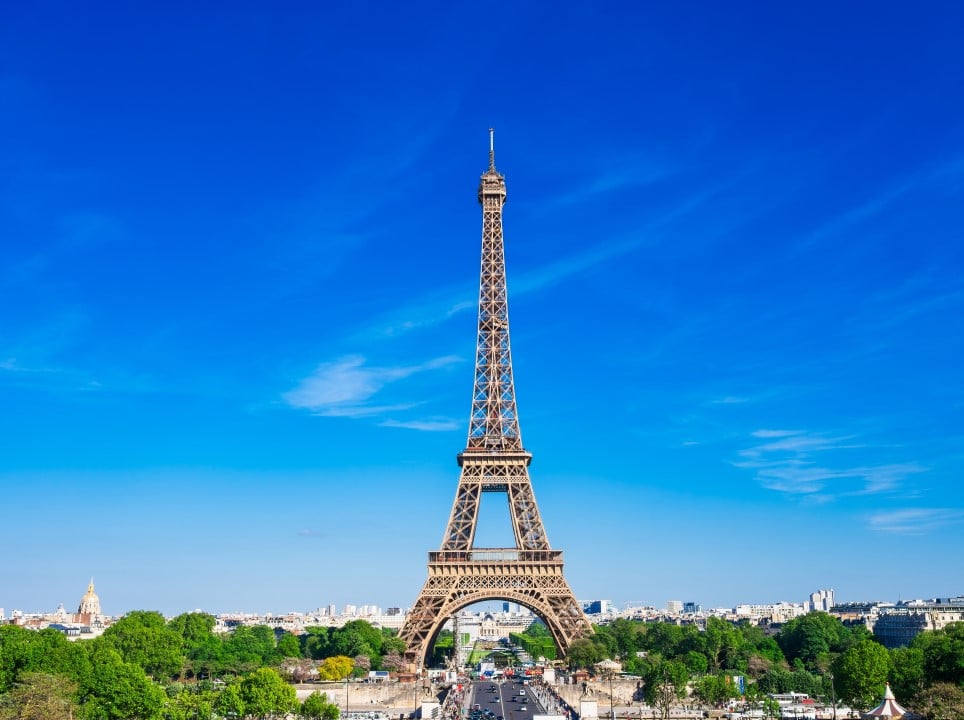 |
The structure of the Eiffel Tower, one of Paris’ greatest icons, recorded a temporary increase of 10 centimeters in its height during the severe heat wave that has hit several parts of Europe. This phenomenon is a direct consequence of thermal expansion, a physical process in which iron expands at high temperatures. Once the climate returns to milder levels, the monument will gradually return to its original dimensions.
Built with approximately 7,300 tons of pudendal iron, the famous tower reacts naturally to temperature fluctuations. On days of strong heat, the metal expands, resulting in the structure rising. Such modification is an expected behavior for the work and was duly considered by engineers during its design and construction, at the end of the 19th century.
In addition to the variation in height, the Eiffel Tower may also present a slight tilt throughout the day. This is due to unequal exposure to solar radiation, where one side of the building receives more heat than the other, causing unbalanced thermal expansion. This displacement, although noticeable by measuring equipment, is subtle and does not pose any risk to the safety of visitors or the structural integrity of the monument.
The occurrence of this phenomenon drew attention amid the intense heat wave that is spreading across several European nations. Countries such as France, Spain, Portugal and Italy are facing exceptionally high temperatures, prompting authorities to issue warnings about dangers to public health, the risk of forest fires and possible impacts on infrastructure. In Paris, thermometers reached almost 40°C, a condition that favored the expansion of the metallic structure of the Eiffel Tower.
With a current height of approximately 330 meters, including the antenna at the top, the Eiffel Tower undergoes regular inspections and maintenance to ensure its preservation. It is worth mentioning that the original height of the tower, without the successive additions of antennas, was 300 meters, which makes it an example of a structure that “grew” over time for several reasons. Experts explain that thermal expansion is an expected behavior in large metallic constructions, such as bridges, train tracks and buildings, and is a crucial factor taken into account from the design phases to deal with variations caused by heat and cold.