
Expert warns: continuous stress accelerates skin aging and worsens dermatological conditions


The impact of stress on skin health can manifest itself in several ways, including premature aging. An in-depth study on the topic was conducted by biomedical scientist and master in Aesthetic Medicine, Thiago Martins, who details the connection between cortisol levels — the stress hormone — and the dermatological condition.
In addition to being a protective barrier, the skin is also a complex neuroimmunological system. This enables it to react to a variety of hormonal and inflammatory stimuli that are commonly activated in times of tension.
Persistent activation of the hypothalamic-pituitary-adrenal axis, triggered by prolonged periods of stress, increases cortisol production. This physiological process causes the deterioration of collagen and elastin fibers, essential components for the firmness and elasticity of the skin. Furthermore, it compromises cell renewal, reduces tissue repair capacity and weakens the skin barrier, making the skin more vulnerable to dryness, sensitivity and inflammation.
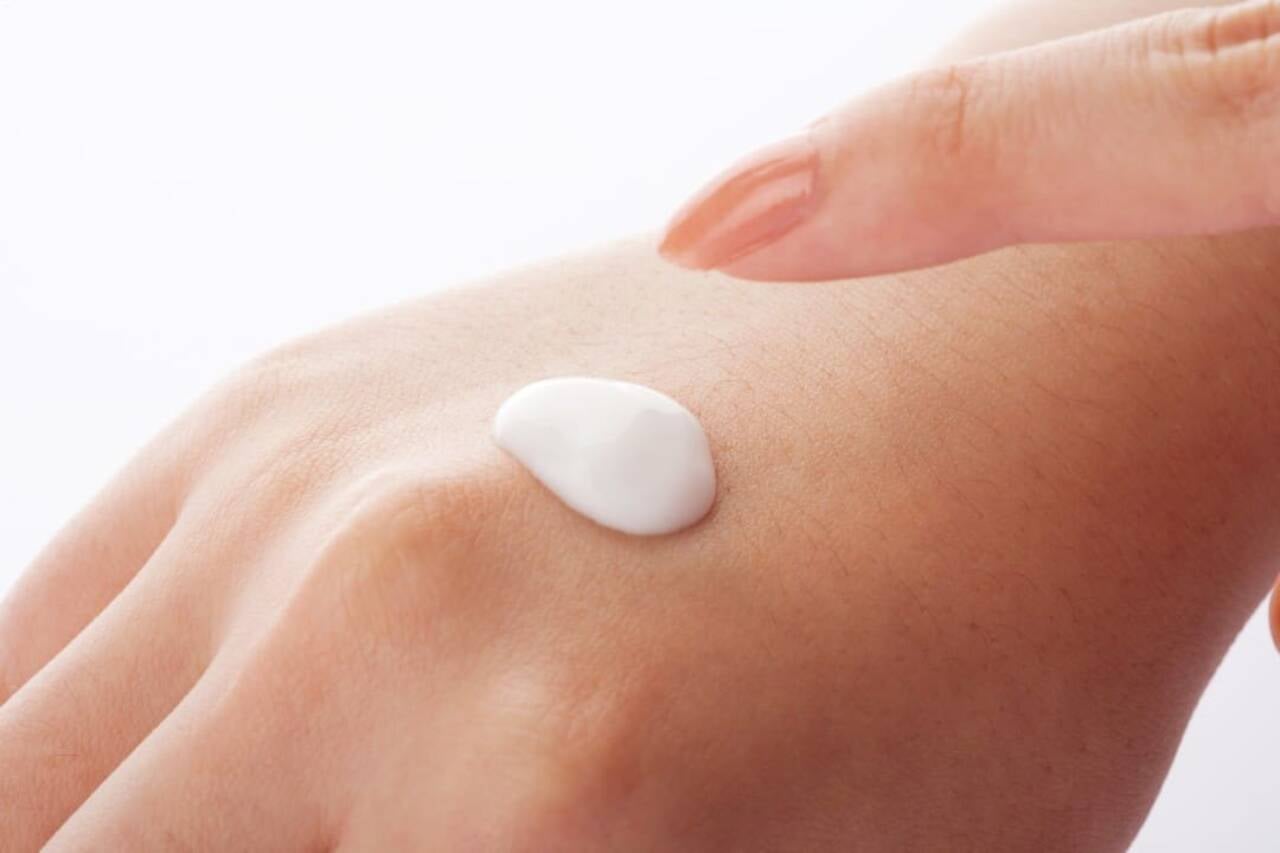
Among the consequences of chronic stress on the skin is the worsening of conditions such as acne, psoriasis, atopic dermatitis and rosacea. It can also contribute to certain types of hair loss, such as telogen effluvium. Patients often report a decrease in radiance, worsening of skin texture and an increase in the visibility of fine lines during periods of intense emotional pressure.
In addition to the direct action of cortisol, the expert points out that stress also has an indirect influence on the skin. In periods of greater emotional stress, it is common for people to relax their self-care habits, such as reducing sleep hours, opting for less nutritious foods, reducing physical exercise, neglecting their skincare routine and even forgetting to apply sunscreen daily.
Although stress is a significant factor in skin aging, it is not the only culprit. As Martins highlights, other elements have an even more notable influence. Among them are individual genetics, excessive exposure to the sun, smoking, environmental pollution, quality of food, quantity and quality of sleep, and lifestyle in general.
To maintain skin vitality and delay the appearance of signs of aging, the biomedical scientist suggests a multifaceted approach. Daily sun protection, an adequate care routine, a balanced diet, regular physical activity, restful sleep and the adoption of effective strategies to manage stress are combined actions that promote skin health and rejuvenation.





