

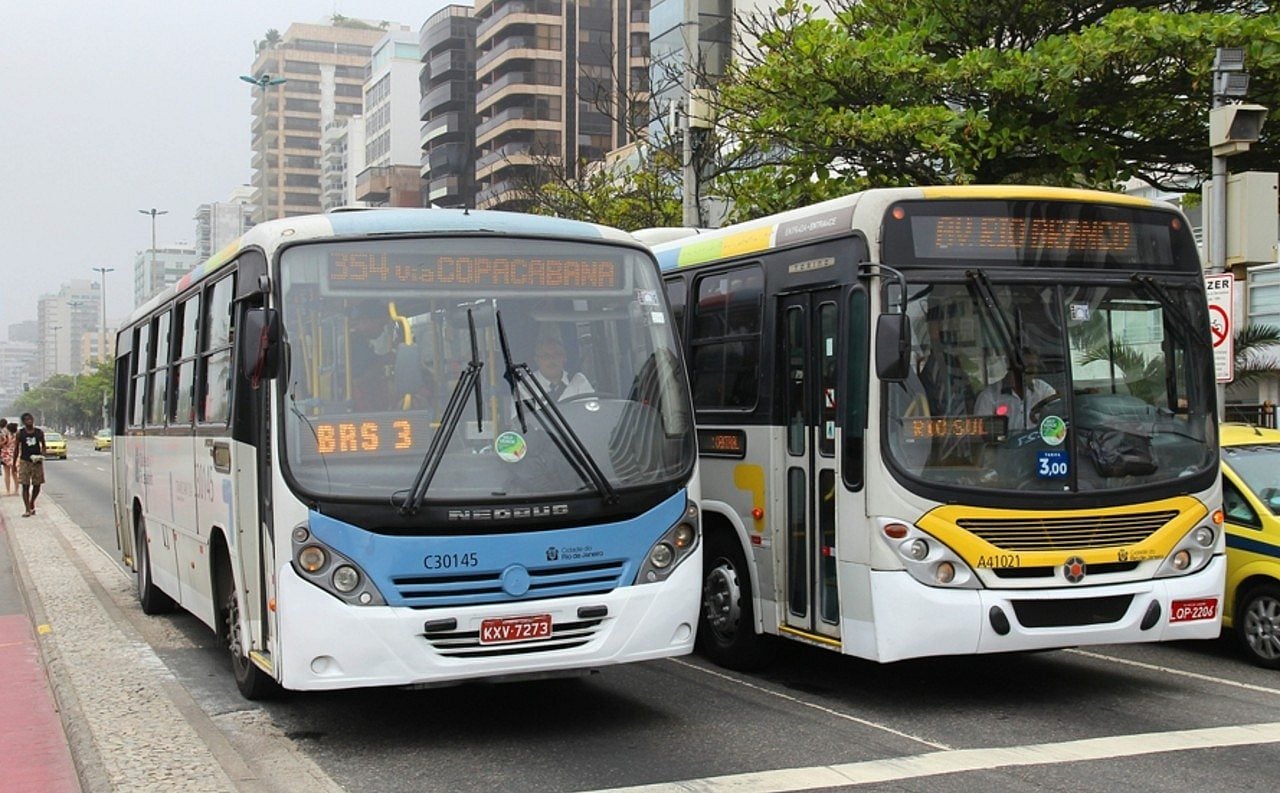
The bus stoppage in Rio de Janeiro completed its third day this Wednesday, July 1, 2026, and continues without an end date. The interruption in bus service continues to cause major disruptions to movement around the capital of Rio de Janeiro.
Given the scenario, the companies responsible for train and subway services in the city announced reinforcements in their operations. The measure seeks to reduce the impact on passenger movements, especially during busy times.
To accommodate the increase in users, SuperVia reported that it made 30 additional trips available throughout the day, reducing waiting time between trains during peak periods. MetrôRio, in turn, guaranteed that it will increase the number of trains if demand for the metro system grows significantly.
The companies linked to Rio Ônibus ensure that they remain committed to intensifying the circulation of buses and, thus, guaranteeing essential transport for the Rio population. The entity reports that approximately 1,500 buses are already in service.
The concessionaires continue their efforts to comply with the court decision that requires the maintenance of at least 80% of the bus fleet in operation during the strike. The employers’ union highlighted difficulties in achieving this goal.
Rio Ônibus held the Road Workers Union responsible for the complication in meeting the minimum percentage, claiming that the schedules that would indicate which professionals should work were not sent to the drivers, preventing the organization of the service determined by the Courts. The entity made an appeal for employees to return to activities in the garages, emphasizing the need for the “population of Rio not to spend another day on foot” and the urgency of a practical solution for movement in the city.
A meeting to attempt conciliation between representatives of workers and companies took place on Tuesday, 30, but ended without an agreement. A new round of negotiations was scheduled for next Monday, the 6th.
The central dispute involves discussions on the salary campaign between the Bus Workers Union and the bus companies. Among the category’s main demands are the establishment of a salary floor of R$4,000 for conventional bus drivers and R$5,000 for articulated vehicle drivers.
In addition to salaries, bus workers also demand a R$1,000 food voucher, health and dental plan coverage, adoption of a 5×2 working day, maintenance of free passes, compensation for lunch breaks and the conversion of Mobi-Rio’s temporary contracts to contracts under the CLT regime.
The values proposed by the companies, according to the union, are still far from the category’s expectations. For drivers of conventional buses, the salary would increase from R$3,420.16 to R$3,570.31, while for drivers of articulated vehicles, the adjustment would be from R$4,104.18 to R$4,284.35. The food allowance, in turn, would increase from R$660 to R$689.




