Back-to-back lottery draws in Japan deliver fortunes to gamblers in Tokyo and Saitama


The end of June brought a wave of impressive prosperity for Asian gamblers who participated in traditional legalized gambling. During recent events, famous types of numerical betting have distributed amounts that easily exceed the hundreds of millions of yen mark. This streak of consecutive victories drew attention not only because of its astronomical values, but because of the peculiar circumstances surrounding the purchase of the tickets.
Games based on random number choices have an extremely loyal fan base in Japan, boosting the local economy on a weekly basis. The dynamic attracts everyone from ordinary workers to betting unions who seek to radically change their standard of living through luck. The official system ensures that the amounts collected also benefit public projects, which further encourages mass participation by the population in all provinces.
Statistical phenomenon concentrates more than a billion yen in a single commercial point in the metropolis
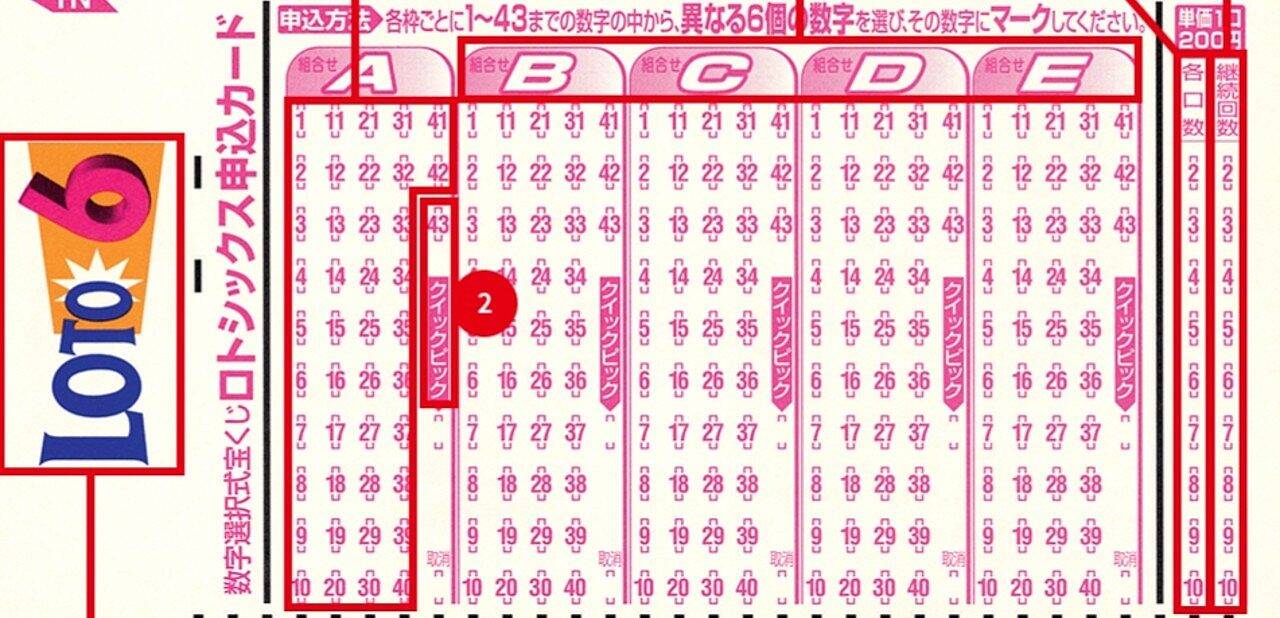
The 2114th edition of the modality known as Lotto 6, held on June 25th, made recent history by crowning two tickets with the maximum prize. Each of the winning papers guaranteed its holder the exact amount of 525,897,600 yen, an amount that instantly transforms the financial reality of any citizen. The most surprising fact about this particular round was the origin of the winning bets, which defied the usual mathematical probabilities.
Both millionaire records were processed by the same sales terminal, located at the Tachikawa Minamiguchi Ekimae Raffle Center. This property is located in the bustling city of Tachikawa, which makes up the vast Tokyo metropolitan region. Statistical experts often point out that the chance of two top prizes coming out of the same machine, on the same day and for the same contest, is incredibly remote.
Situations like this raise interesting theories among enthusiasts, including the possibility that a single player recorded the same numbers twice by mistake or as part of an aggressive strategy. Regardless of the actual scenario, Tachikawa’s kiosk now carries the reputation of having generated a combined payout in excess of a billion yen in a single night. Locations with this history often attract long lines of new customers in the weeks following official results announcements.
Subsequent round spreads fortunes across different provinces of the Asian archipelago
Just twenty-four hours after the extraordinary event in the capital, the organization conducted the 683rd Lotto 7 category contest, dated June 26th. Once again, the counting system identified two winners for the main prize category, maintaining that week’s impressive streak of luck. Each of the lucky ones earned 447,577,600 yen, consolidating the creation of two more new billionaires in the Asian country.
Unlike the geographic coincidence observed the previous day with the other modality, the results this time showed a much wider distribution across the national territory. The first winning ticket was issued at the Hannō Viva Home Raffle Center, a service point established in the city of Hannō, belonging to Saitama Prefecture. This region, neighboring the main metropolis, has a strong culture of participation in weekly draws and records high volumes of bets.
The second winner did his feat hundreds of kilometers away, using the services of the Fuchu Tenmaya Raffle Center. This kiosk operates in the city of Fuchu, located in Hiroshima Prefecture, demonstrating the immense reach of the national lottery system. The decentralization of the winners reinforces the transparency and randomness of the algorithms used by the official organizers to extract the scores.
Detailed mapping of establishments that registered successful bets
For auditing purposes and public clarity, the authorities responsible for administering the games openly disclose the exact locations where the jackpot was recorded. This level of detail helps maintain consumer confidence in the system and creates true informal tourist spots for superstitious gamblers. Below is the consolidated data from the agencies that issued the millionaire vouchers during the last week of June:
- Lotto 6 Contest 2114 (held on June 25): The Tachikawa Minamiguchi Ekimae Drawing Center, located in Tachikawa, Tokyo, was responsible for processing two tickets that yielded 525,897,600 yen each.
- Lotto 7 Contest 683 (held on June 26): The Hannō Viva Home Drawing Center, operating in Hannō, Saitama Prefecture, recorded a winning bet worth 447,577,600 yen.
- Lotto 7 Contest 683 (held on June 26): The Fuchu Tenmaya Drawing Center, located in Fuchu, Hiroshima Prefecture, also validated a winning ticket worth exactly 447,577,600 yen.
It is important to note that the sales infrastructure in Japan is highly diverse, allowing citizens to try their luck in different commercial environments. Authorized channels range from traditional street stands to ATMs from partner banking institutions and multimedia terminals inside convenience stores. This ease of access is one of the fundamental pillars that support the sector’s high collection volumes.
The economic impact and cultural fascination surrounding tax-exempt awards
A crucial differentiator that makes these events so attractive in Japan is the local tax legislation related to gambling administered by the central government and prefectures. Unlike what occurs in many Western nations, lottery prizes paid to individuals are completely exempt from income tax at the time of redemption. This means that the amounts announced in the draws correspond exactly to the net amount that will be deposited into the winners’ bank account.
The delivery of such significant sums in a short period of time serves as a powerful catalyst for the betting-based entertainment industry. Millions of workers continue to allocate a small fraction of their weekly wages to purchasing tickets, fueled by the success stories dominating local news. The robustness of this ecosystem guarantees the maintenance of a vital financial mechanism for the development of civic infrastructures across the country.