

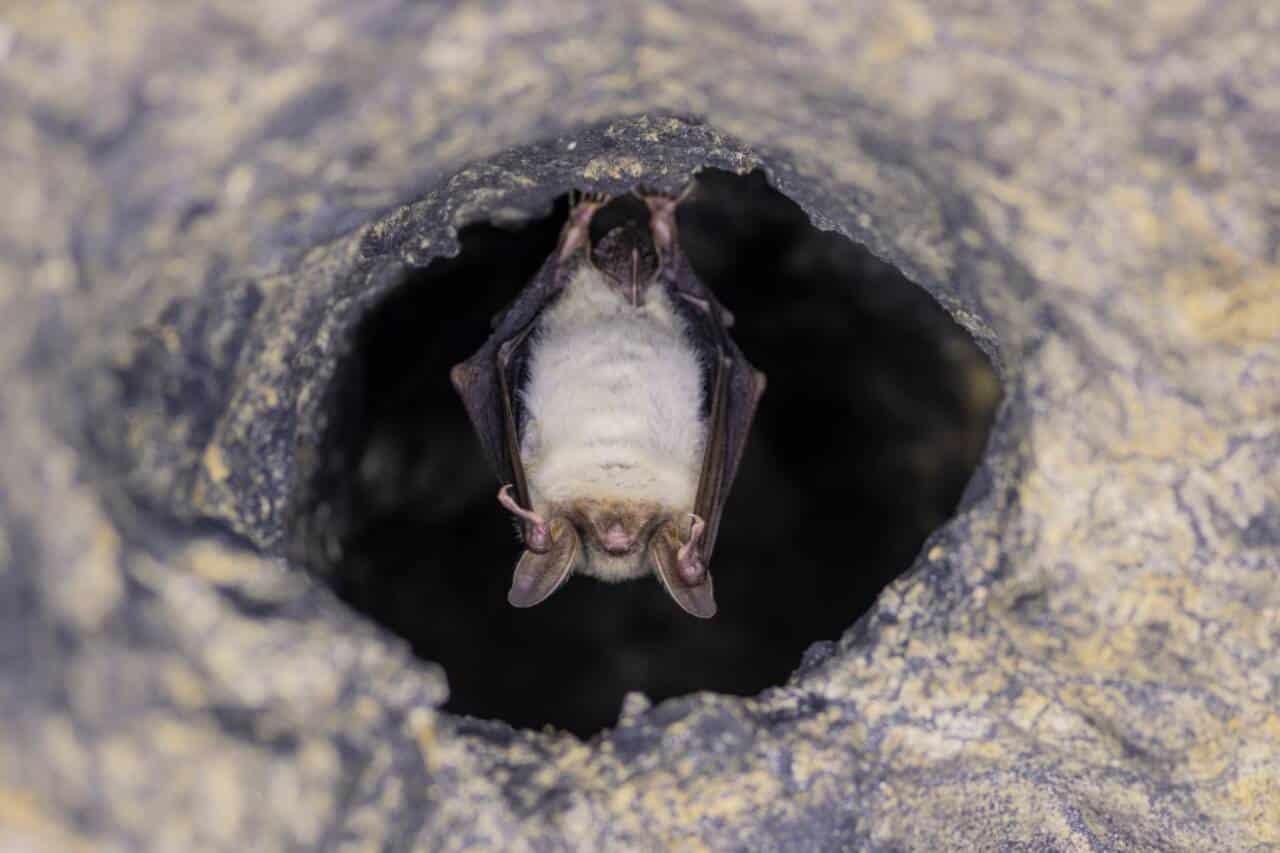
An 11-year-old boy, living in Canada, lost his life due to rabies, triggered by direct contact with a bat while he slept. The incident occurred when the winged animal brushed his nose and mouth during the night.
The fatality was recorded in 2024, when the young man was in a country house with his family, located in the province of Ontario. Details of the case were revealed in a recent report in the Canadian Medical Association Journal.
The teenager’s name was not revealed in the document, but the report indicates that he reacted, slapping the bat away from his face. His father then managed to capture the mammal using a pan and released it outside the residence.
The boy’s parents did not seek medical help immediately as there were no apparent injuries and the bat’s behavior did not appear unusual. However, nineteen days after the episode, the boy began to experience numbness and swelling in the facial region.
The progression of symptoms and first diagnoses
According to the journal of the Canadian Medical Association, the family took the boy to emergency units in the following days, where several doctors, in clinics and hospitals, worked to identify the cause of the symptoms.
Initially, at an emergency clinic, the young man was prescribed an antiviral medication commonly used against the herpes virus. The initial hypothesis was Bell’s palsy, a condition that causes temporary paralysis of the muscles on one side of the face.
Subsequently, the patient was admitted to hospital twice, being first diagnosed with herpetic gingivostomatitis, a viral infection that affects the mouth and gums. He returned to the hospital the next day when the right side of his face became weak, according to the report.
Still awaiting hospitalization, the boy’s condition suddenly worsened that same day. He developed a fever of 39°C, in addition to having difficulty swallowing, mental confusion and visual hallucinations. It was necessary to intubate him and transfer him to the pediatric intensive care unit, as detailed in the document.

Confirmation of rabies and the fatal outcome
Health professionals from the Department of Pediatrics and Child Health at the University of Manitoba, located in Canada, expressed a strong suspicion that the case was rabies.
Tests carried out days later confirmed the diagnostic hypothesis. Additionally, the Canadian Food Inspection Agency detected a variant of the rabies virus in bat specimens.
The young man died seventeen days after being admitted to the hospital.
There were no records of allergies in the patient’s history, nor previous contact with sick individuals, tick bites, or recent international travel.
Rarity of rabies in Canada and the importance of prophylaxis
Cases of rabies infection in humans are considered uncommon in Canada. The Canadian Veterinary Medical Association reports that only 28 human rabies deaths have been recorded in the country since 1924.
The entity highlights on its portal that “this low rate of rabies is attributed to extensive and uninterrupted vaccination programs, and the interruption of these programs can and will result in the return of the disease.”
It is essential to emphasize that any form of direct human contact with a bat already constitutes an indication for post-exposure prophylaxis to rabies. This is a medical treatment that should be applied immediately after possible exposure to an infected animal.
According to the report, once symptoms of the infection manifest, the condition is, in virtually all cases, fatal.




