

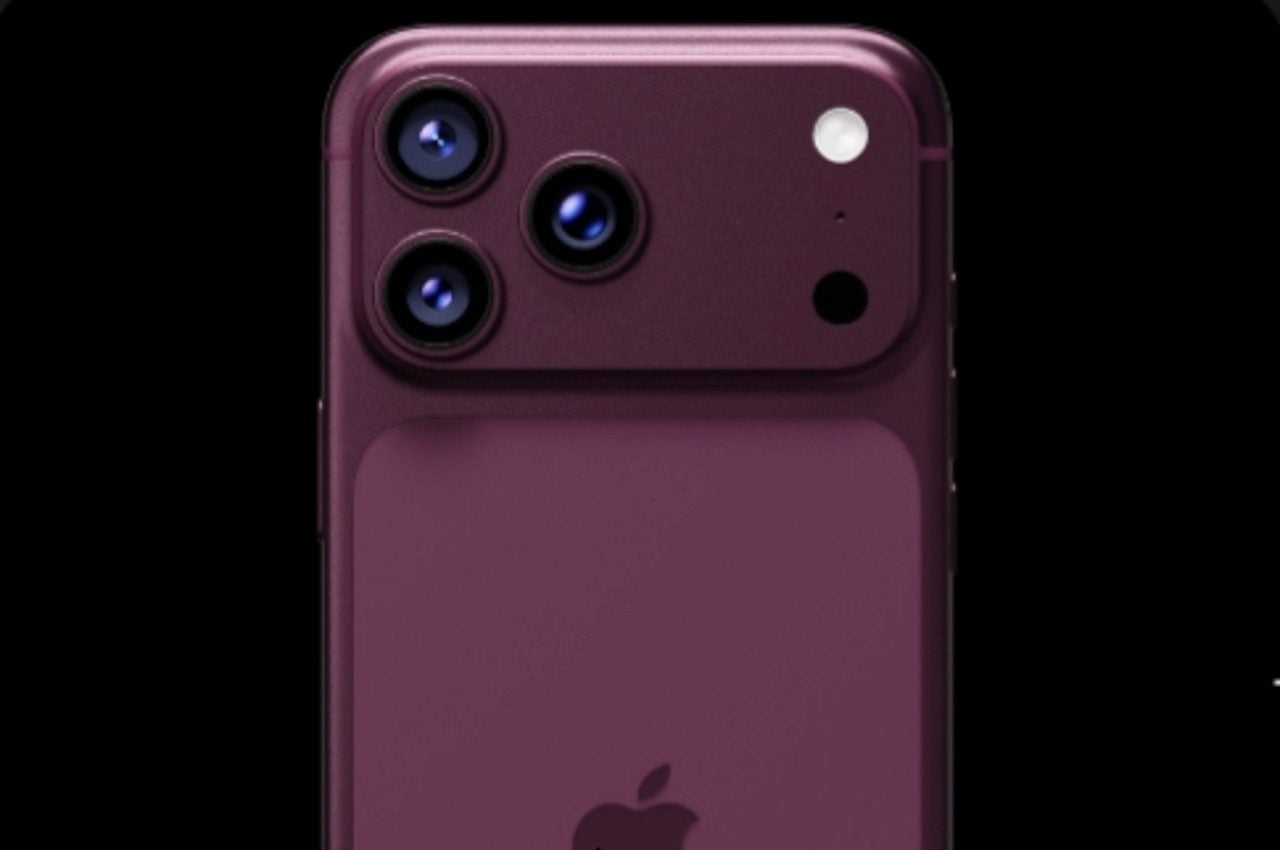
Technology giant Apple is undertaking a major overhaul of its smartphone line with the arrival of the iPhone 18 Pro Max, a device that will bring significant innovations in image capture and processing. The new high-end device will feature a 6.9-inch LTPO Super Retina XDR OLED screen, a long-lasting 5,200 mAh battery and the unprecedented A20 Pro processor manufactured using 2 nanometer lithography. In addition to the traditional model, the North American company will finally enter the flexible screen segment with the long-awaited iPhone Fold, a clamshell-shaped device. The official schedule points to the entire portfolio arriving in stores in September 2026, with the most advanced model starting at US$1,199 on the international market.
Image capture system gains variable aperture to compete with professional cameras
The new device’s photographic suite promises to transform users’ experience by incorporating technologies previously restricted to dedicated equipment. The manufacturer opted for a 1/1.12 inch main sensor, the largest ever used on a branded phone, ensuring superior light capture in night or poorly lit environments. The big news is the lens’ variable aperture, a physical mechanism that allows the photographer to adjust the depth of field manually or automatically. This structural change provides much more precise control over background blur, bringing the final result closer to what is obtained with traditional DSLR cameras, something that competing brands have already been testing in the Asian market.
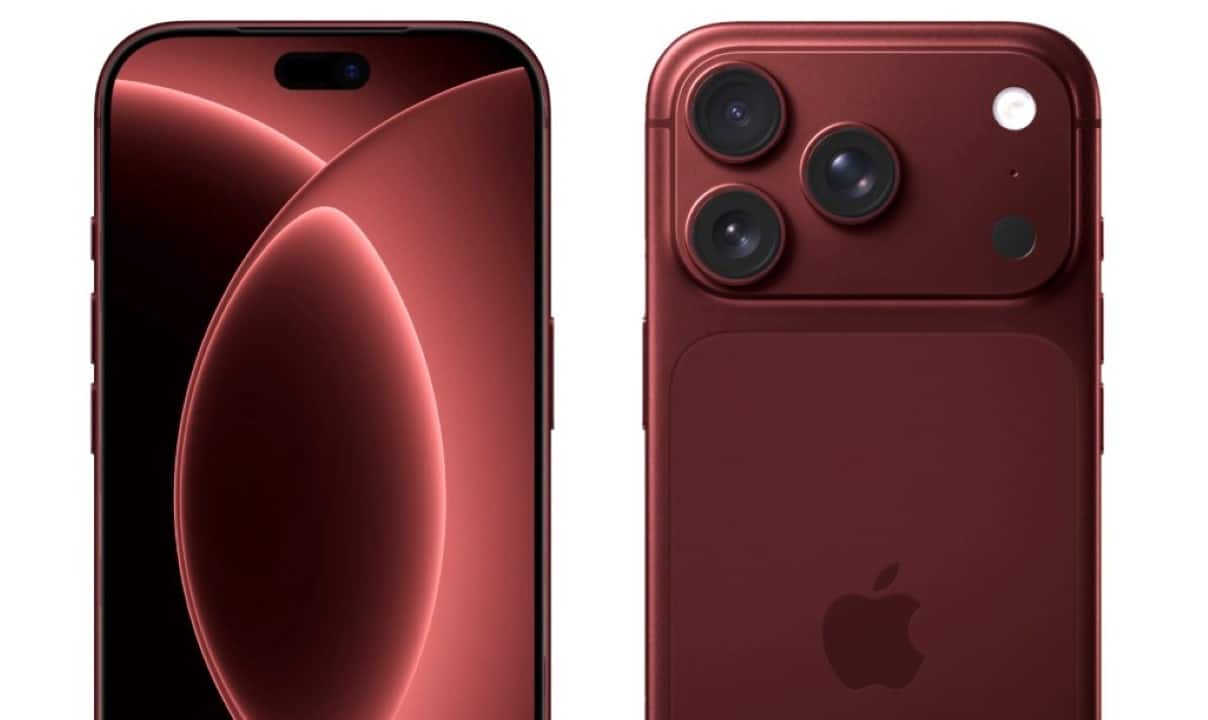
To complement the photographic hardware, the periscopic lens will reach the 200 megapixel mark, offering a level of optical approximation without loss of quality that surpasses previous generations. The rear module of the more expensive model will also house a 48 megapixel main sensor, an ultrawide lens with the same resolution and a 64 megapixel telephoto camera. This entire set will work in sync with advanced artificial intelligence algorithms, responsible for correcting colors, adjusting exposure and improving the sharpness of photos instantly. The video recording capacity will also receive a leap in quality, allowing recordings in 8K resolution at 60 frames per second in both versions of the Pro line.
Front panel grows and adopts state-of-the-art components to improve viewing
The visual interface of the new devices will undergo millimetric adjustments to maximize the useful interaction area. The display will use technology developed by Samsung, specifically the M16 series panels, which guarantee greater brightness and color accuracy in direct sunlight. While the Pro Max version will reach 6.9 inches, the conventional Pro model will be 6.3 inches, both featuring the thinnest edges ever seen in the industry. The top cutout, known as Dynamic Island, will undergo a considerable reduction in size, freeing up more space for displaying notifications and operating system icons, which improves immersion during media consumption.
Using the front panel will not compromise the visual comfort or energy consumption of the device. The adaptive refresh rate, which the company calls ProMotion, will continue to operate at up to 120 Hz to ensure fluid transitions in games and page scrolling. When the phone displays still images, this frequency will drop dramatically to conserve battery power, balancing top-notch performance with the efficiency needed to keep the device powered on all day.
New two-nanometer processor raises industry speed standard
The electronic brain of the new generation will be the A20 Pro chip, a component that marks the industry’s transition to 2 nanometer architecture, led by TSMC foundries. This extreme miniaturization of the transistors results in a 45% jump in graphics performance when compared to its direct predecessor, the A19 Pro. To handle heavy applications and intense multitasking, the most expensive versions will leave the factory with 12 GB of RAM and internal storage options that can reach an impressive 2 TB of space.
- Custom C2 modem integration to optimize network signal stability.
- Native support for Wi-Fi 7, Bluetooth 6 and high-speed 5G connection technologies.
- Improved satellite communication to work in remote areas without operator coverage.
- Energy capacity of 5,200 mAh in the larger model and 4,300 mAh in the standard Pro version.
- Estimated autonomy of 26 hours of continuous use or up to 72 hours with extreme economy mode activated.
Preliminary assessments conducted in the company’s laboratories indicate that the union between the new energy cell and the processor’s efficiency will deliver solid results. Engineers guarantee that the phone will withstand a full day of intense use, involving gaming, video recording and browsing, without the need to look for an outlet before dark.
The brand’s first foldable cell phone bets on a compact format to attract new consumers
The big surprise of the event will be the introduction of the long-awaited flexible device, which will adopt a vertical folding mechanism similar to a makeup case. When closed, the user will have access to a 5.5-inch external display for quick tasks and reading messages. When opening the device, a 7.8-inch continuous OLED screen is revealed, designed with special polymers to eliminate the central crease that tends to bother owners of competing devices. The manufacturer’s strategy is to deliver a mature product from day one, avoiding the durability problems that affected the first generations of Samsung’s Galaxy Z Fold line.
The internal hardware of the foldable model will not be behind the traditional line, sharing the same A20 Pro processor and 12 GB of RAM. The device will also feature a 200 megapixel main camera and options of up to 2 TB for storing files. An important structural change will be the relocation of the fingerprint reader, Touch ID, which will be embedded in the side power button, eliminating facial recognition to save space on the flexible screen. The suggested price for this innovation will be US$2,000, positioning the product in the ultra-luxury segment.
Operating system focuses on artificial intelligence running directly on the phone’s hardware
The entire new line of smartphones will hit the market running the iOS 27 system, a platform rewritten to put generative artificial intelligence at the center of the user experience. The Siri virtual assistant will gain the ability to understand the context of long conversations and execute complex commands within third-party applications. In the image gallery, the editing tools will allow you to erase unwanted people or objects from the background of photos with just one touch, recreating the scene realistically. The virtual keyboard will also learn the owner’s writing style to suggest complete and appropriate responses for each contact.
What sets this software approach apart is the local processing of data, a requirement of the company to maintain its history of privacy protection. As complex tasks will be solved by the cell phone’s own chip, dependence on cloud servers will drop drastically, preventing personal information from circulating over the internet. The company believes that this closed architecture will be its main commercial asset in convincing the public to change devices in the coming years.
Price table and expected arrival of devices on international shelves
The North American company’s launch calendar maintains the tradition, with the official presentation scheduled for the first weeks of September 2026. The color palette of this generation will include sober tones such as Dark Cherry, Light Blue, Dark Gray and Silver. At the base of the table, the entry model will cost US$899, while the Pro version will cost US$1,099. The traditional top of the line will require an outlay of US$1,199, leaving the US$2,000 level exclusively for the flexible screen model. This diversification of values and formats aims to guarantee the brand’s leadership in the competitive mobile phone market.





