
Square Enix breaks exclusivity and launches Final Fantasy VII ending on multiple consoles

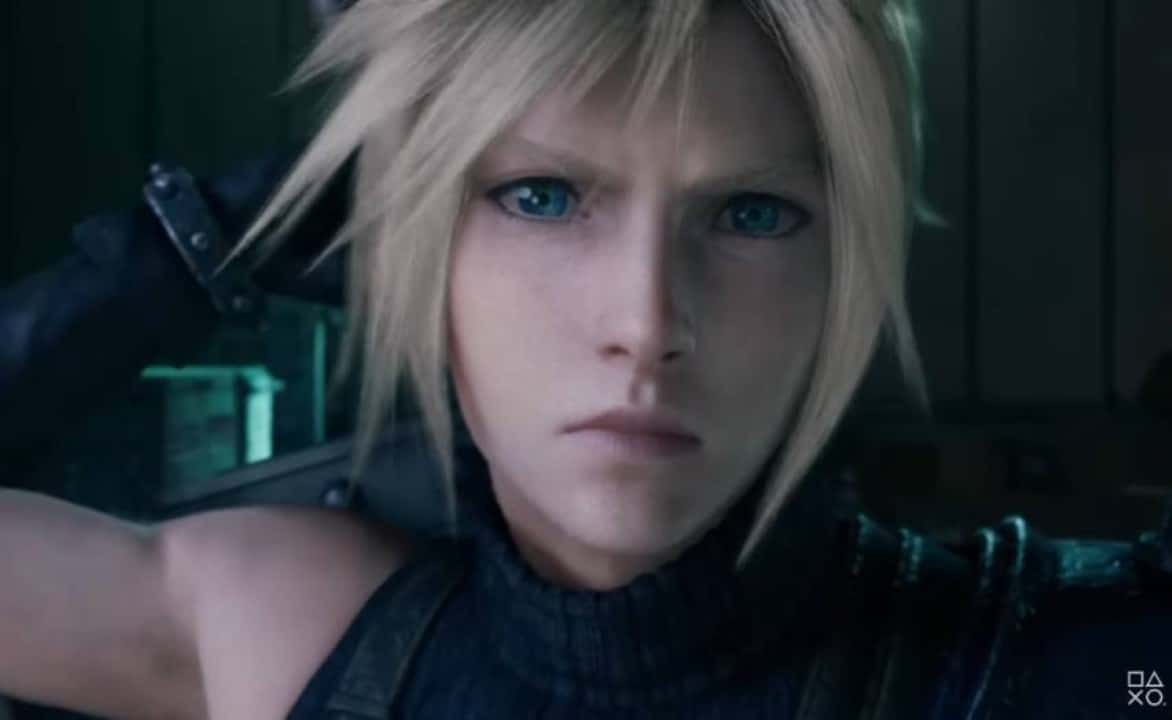
The global interactive entertainment scenario is undergoing profound transformations, marking the end of an era for established franchises. Faced with increasingly inflated budgets, major studios are abandoning the tradition of restricting their biggest releases to a single device. Surviving in the current market requires developers to embrace multiplatform distribution, ensuring that works of colossal proportions reach the largest number of consumers possible. This flexibility has become a basic requirement for the financial health of technology giants.
Breaking with the model adopted in the previous two chapters, Square Enix has made it official that the third and final part of the Final Fantasy VII recreation project will arrive simultaneously on PlayStation 5, Xbox Series X|S and computers. The change of route comes after the Japanese producer’s management analyzed recent tax reports, which highlighted the urgent need to reformulate its commercial tactics. The primary objective now is to maximize global impact on the first day of sales. The executives understood that unifying the availability of the title on all digital fronts is the only viable way to sustain the magnitude of the franchise.

New commercial strategy emerges after disappointing financial statement
Internally dubbed the “Reboot” business plan, the Asian studio’s new direction recognizes that limiting initial access to just one user base severely stifles revenue potential. Although the acclaimed Final Fantasy VII Rebirth achieved very high marks from specialized critics, the volume of copies sold was not enough to cover the company’s optimistic projections, reflecting a drop of almost 70% in the gaming division’s operating profit in the last fiscal quarter. The definitive transition to the multiplatform format aims to immediately stop this financial bleeding. For the conclusion of this epic trilogy to be economically justified, the fundraising will need to be massive and instantaneous in the opening week.
Experts in the financial sector highlight that the barrier imposed by Sony’s ecosystem ended up alienating a significant portion of the consumer public. Millions of computer gamers were forced to wait years for temporary exclusivity contracts to end, which chilled organic engagement and diluted the impact of advertising campaigns. By eliminating this grace period, the Japanese developer ensures that enthusiasm is not lost over time, accelerating the recovery of the astronomical costs involved in production for cutting-edge hardware. Furthermore, the current dynamics of the internet require fans to have immediate access to the narrative to prevent crucial surprises from being ruined by leaks on social media.
Approaching the Microsoft ecosystem marks a new phase for the producer
Full integration with Microsoft devices represents a historic milestone for the Japanese publisher, which for a long time kept its main RPGs away from the American public. The continued growth of the Game Pass service and the consolidation of the purchase of Activision Blizzard have forced a complete reevaluation of this scenario. Square Enix directors admitted that ignoring a community made up of tens of millions of active subscribers was an unacceptable strategic mistake. This rapprochement began timidly last year, with the inclusion of smaller games in the Xbox catalog, but has now reached its peak with the arrival of the main franchise. Owners of the green console will finally be able to experience the end of the saga without delays, while the programming team works hard to ensure that all versions run with the same quality at launch.
Adapting the game’s complex code to the dual architecture of the Xbox Series X and S requires a monumental effort from software engineers, who need to optimize the graphics engine for different processing capabilities. Editions aimed at desktop computers are also receiving increased attention, with the aim of avoiding the serious performance problems that plagued the company’s previous releases on PCs. The non-negotiable goal is to deliver stable frame rates and high resolutions, regardless of the equipment chosen by the end user. To achieve this standard of excellence, quality control tests will occur simultaneously on all platforms during the final months of development.
Advances in development promise to expand exploration of the virtual world
In the offices located in Tokyo, the pace of production progresses quickly and without setbacks. The project management confirmed that the main script has already been completely finalized, paving the way for the voice actors to begin voice recording sessions in the coming weeks. At the same time, the technical department carries out in-depth research to make the most of the new rendering tools available in the updated graphics engine. This technological leap will allow the creation of incredibly dense scenarios, raising the visual fidelity of futuristic metropolises and vast natural areas to a level of realism never before seen in the series.
The backbone of this third stage directly expands on the exploration mechanics that were praised in the previous title. Programmers are meticulously refining navigation systems to ensure that traversing entire continents is fluid and rewarding.
- The iconic Highwind aircraft will be able to be flown freely through the skies across the world map.
- The combat system will undergo fine adjustments based on direct feedback from the gaming community.
- Secondary missions will have a much greater narrative weight in the maturation of the protagonists.
- The transition between different biomes will occur seamlessly, completely eliminating loading screens.
To make free flight a technical reality, the way the game manages memory had to be rebuilt from scratch. The mandatory use of solid state drives (SSDs) present in contemporary hardware is what allows textures to be loaded at very high speed while the player crosses the skies. The geographic scale being built surpasses any other work the team has ever undertaken, promising to deliver a sense of freedom that simply wasn’t possible on past generations of consoles.
End of exclusivity dictates new rules for the electronic games industry
The stance adopted by Square Enix reverberates throughout the digital entertainment production chain, serving as a laboratory for other Japanese studios that are closely observing the developments of this tactic. Breaking exclusive ties with hardware manufacturers has become the only logical response to the unsustainable escalation in production costs for AAA-class works. The commercial performance of this third chapter will establish the definitive standard for the company’s future investments. In a way, the interactive industry celebrates this movement as another step towards ending the old console wars, prioritizing the reach of software over the sale of plastic boxes.
Closing this trilogy carries the immense responsibility of honoring the nostalgia of veteran fans and, at the same time, captivating a new generation of enthusiasts. The journey to reimagine the 1997 classic took more than a decade of extreme dedication and billion-dollar investments. By opting for a global and unrestricted launch, the company democratizes access to one of the biggest milestones in digital pop culture, allowing owners of computers, PlayStations and Xboxes to share their discoveries simultaneously. Breaking down these hardware boundaries strengthens the worldwide community of RPG lovers, ensuring that the legacy of the original work is preserved while the board meets its rigorous annual financial goals.





