
Steamroller desktop computer features native SteamOS system and promises to surpass Valve hardware

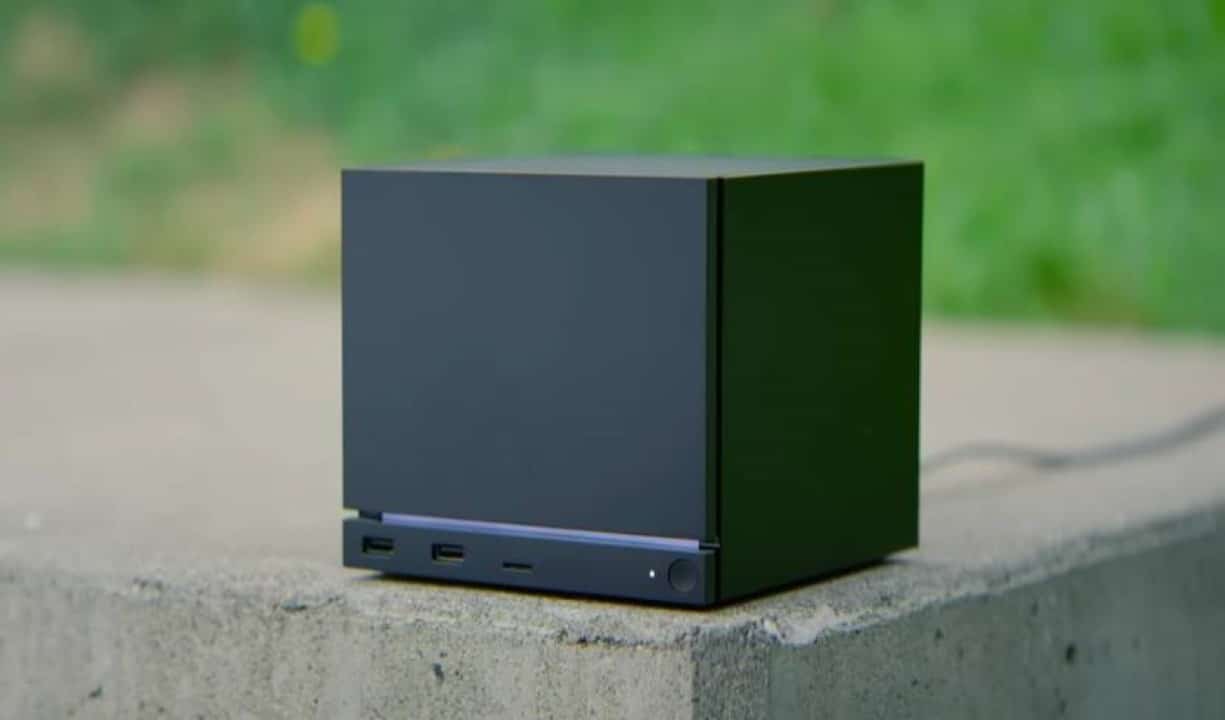
North American manufacturer Meta PCs has just announced a new product that promises to shake up the segment of computers aimed at high-performance digital entertainment. Named Steamroller, the equipment hits the market with the bold proposal of bringing the factory-installed SteamOS operating system, something that is still extremely rare in machines pre-assembled by third-party companies. Unlike compact solutions that prioritize portability and travel use, this launch relies on traditional desktop computer components to deliver a higher and more stable frame rate. The brand’s strategy aims to attract consumers who seek the simplified interface of the Valve platform, but who do not give up the brute force characteristic of a conventional desktop.
The processing power and graphics chosen for the new machine
To guarantee a fluid experience in the industry’s most recent and demanding titles, the manufacturer chose to equip the launch with an AMD Ryzen 5 9600X processor. This central component uses the modern Zen 5 architecture, delivering six physical cores and twelve threads to handle multiple simultaneous tasks without slowing down. The chip’s operating frequency is impressive, reaching peaks of up to 5.4 GHz during times of high thermal and computational demand. This technical choice demonstrates the company’s clear focus on extracting the maximum possible performance, ensuring that the operating system responds immediately to user commands.
🖥️ Le système de Valve s'émancipe de la Steam Deck ! MetaPC lance « Steamroller », le tout premier ordinateur de bureau nativement pensé pour l’écosystème SteamOS. Une alternative majeure à Windows pour les joueurs à découvrir ici 👇https://t.co/VpaGCr8l1g#SteamOS #PCGaming… pic.twitter.com/Pi4hQUycei
— BlogNT (@BlogNTMedia) July 5, 2026
In the visual department, the computer features the Radeon RX 7600 graphics card, also developed by AMD and widely known in the PC assembly market. The piece offers 32 Computing Units based on the RDNA 3 architecture, working together with 8 GB of GDDR6 memory dedicated exclusively to processing textures and polygons. As it is a full-sized graphics card, with its own heat dissipation system, it is able to maintain lower temperatures and sustain high frequencies for prolonged periods. This engineering detail prevents performance drops during long gaming sessions, a common problem in miniaturized hardware.
Crucial performance differences compared to official Valve hardware
When placed side by side with the equivalent device manufactured by Valve itself, the distinctions in design and processing capacity become evident. The competing device uses a previous generation processor, based on the Zen 4 architecture, which also has six cores and twelve threads, but reaches a lower maximum speed, hovering around 4.8 GHz. The graphics part of the official model has 28 Computational Units and the same 8 GB of memory, however, this entire structure derives from chips originally designed for notebooks. This adaptation of moving parts results in a much lower performance ceiling when compared to a legitimate desktop.
This portable device origin imposes severe limits on power consumption and heat dissipation on Valve’s hardware, forcing the system to slow down to avoid overheating. The Steamroller, on the other hand, does not suffer from these physical space restrictions, allowing its parts to operate at full capacity without the dreaded thermal bottlenecks. This architectural freedom is Meta PCs’ main argument to justify the promise of considerably higher performance. Players who want to explore more advanced graphics settings, with activated filters and higher resolutions, will find the tabletop format a much more robust solution.
Complete list of components that make up the gaming computer
In addition to the main processor and video card set, assembling the equipment requires a solid foundation to guarantee electrical stability and speed in loading heavy files. The company selected parts from recognized brands in the hardware market to make up the rest of the internal configuration. The objective is to deliver a machine ready for immediate use, eliminating the need for the buyer to purchase separate parts to avoid memory bottlenecks or lack of space. Below are the technical details that complete the system sold by the brand:
- 16 GB RAM memory in DDR5 standard, operating at a speed of 5600 MHz.
- NVMe SSD storage drive with 1 TB capacity for quick file installation.
- Motherboard in models B650M or B850M, both equipped with integrated Wi-Fi connection.
- Liquid cooling system (Water cooler AIO) with 240 mm radiator.
- 650 W power supply, ensuring efficiency with 80 Plus Gold certification.
All of this high-performance hardware has been carefully housed inside a Jonsbo D32 case, which features a black finish and an airflow-focused design. The overall size of the chassis occupies around 25 liters of volume, which makes it significantly larger than the 3.8 liters of Valve’s compact device, requiring dedicated space on the user’s desk. Power consumption also reflects this brutal difference in proportions, as the new desktop can draw up to 450 W from the socket under maximum stress, while the direct competitor consumes a maximum of 209 W. The suggested value for launch is around US$1,299, which is equivalent to approximately R$6,725 in direct conversion, not counting local taxes.
How the expansion of the Linux system could threaten Microsoft’s hegemony
The arrival of pre-built desktop computers running SteamOS natively represents a significant milestone in the acceptance of Linux in the world of digital entertainment. Historically, the Windows operating system absolutely dominated this sector, but the Proton compatibility layer, developed by Valve, has completely changed this scenario in recent years. This technology translates Windows commands in real time, allowing thousands of titles to run perfectly outside the Microsoft environment without loss of quality. This software evolution is exactly what enables the commercial success of products like Steamroller today.
Another extremely relevant factor for the consumer is the real possibility of making future updates to machine parts, extending the useful life of the investment. Unlike closed consoles or highly integrated portable devices where everything is soldered onto the board, the Meta PCs desktop uses standardized connections from the computer industry. This means that, in a few years, the user will be able to change the video card, install a stronger processor or add more memory without having to discard the entire equipment. This flexibility creates an environment of healthy competition that accelerates technological innovation and places much greater control in the hands of the end buyer.





