
Trump’s political intervention in the 2026 FIFA World Cup does not save the USA from elimination against Belgium

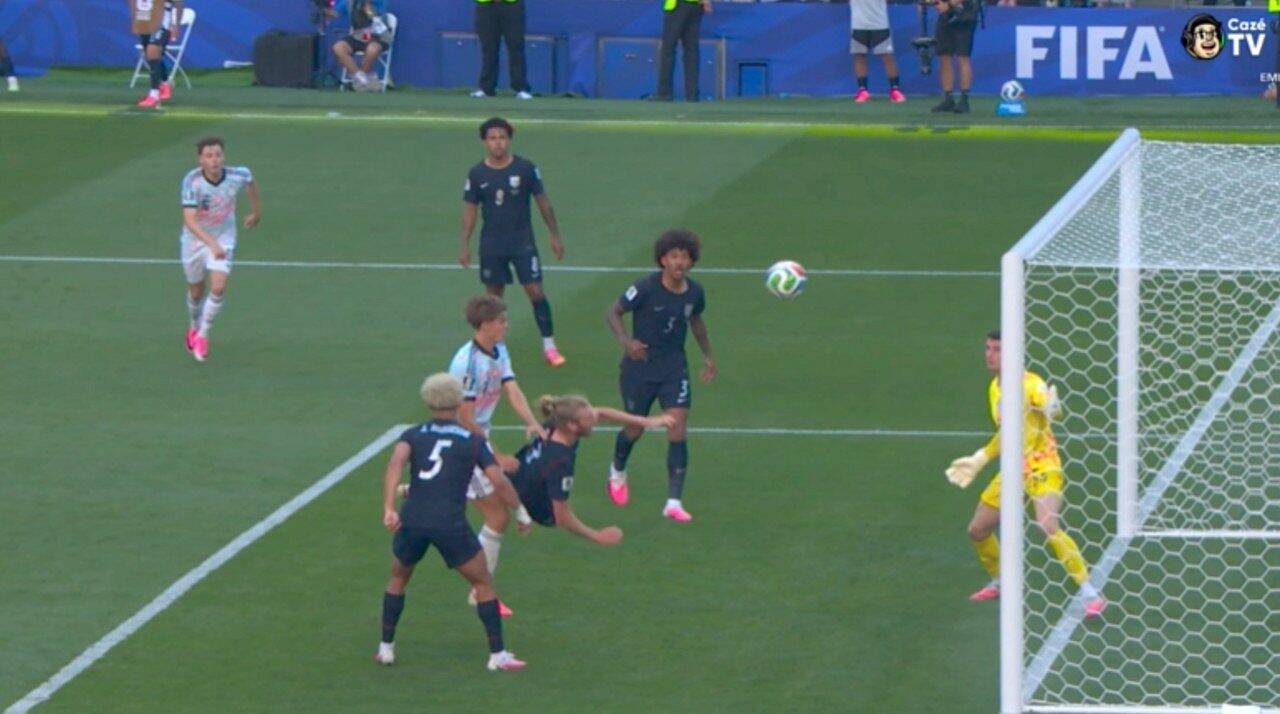
The United States team was eliminated from the World Cup after a resounding 4-1 defeat to Belgium in the round of 16. The result frustrated the expectations of advancement for the American team, which had not reached the quarterfinals since 2002. The match was marked by the return of Folarin Balogun to the field, even after a controversial political intervention.
Performance on the field and the return of Balogun
Folarin Balogun, who had been reinstated to the starting lineup after interference from President Donald Trump, failed to be the difference expected. The striker’s performance, despite his presence on the field, was not enough to reverse the Belgian advantage.
The United States faced Belgium, ranked as the fifth best European team in the rankings, and saw their hopes dissipate. The American defense did not contain the opponent’s attack, resulting in the elastic score that sealed the end of the team’s journey in the tournament.
The weight of presidential intervention on the team
The presence of Folarin Balogun in the starting lineup sparked discussions even before the ball rolled. The decision came after a movement from the Oval Office, with President Trump acting to guarantee the return of the top scorer to the team.
This unusual political interference in sporting matters was one of the most talked about points regarding the team’s preparation. Even with presidential support, the measure did not translate into superior performance on the field for the American team.
The atypical action of a head of state to influence the lineup of a football team in an event on a global scale raises questions about the limits of politics in sport. Although the objective was to strengthen the attack, the outcome of the match indicates that a team’s strength goes beyond decisions made outside the four lines.
Perks of being a co-host were not enough
As one of the host countries of the World Cup, the United States had several favorable factors that, in the end, did not prove to be decisive. The team guaranteed a direct place in the tournament and was allocated to a theoretically more accessible group.
Furthermore, the American team enjoyed fervent fan support in all of its matches, playing at home with the passion of its fans. However, these advantages were not enough to overcome the challenge posed by the Belgian team, which proved to be superior in the round of 16.





