

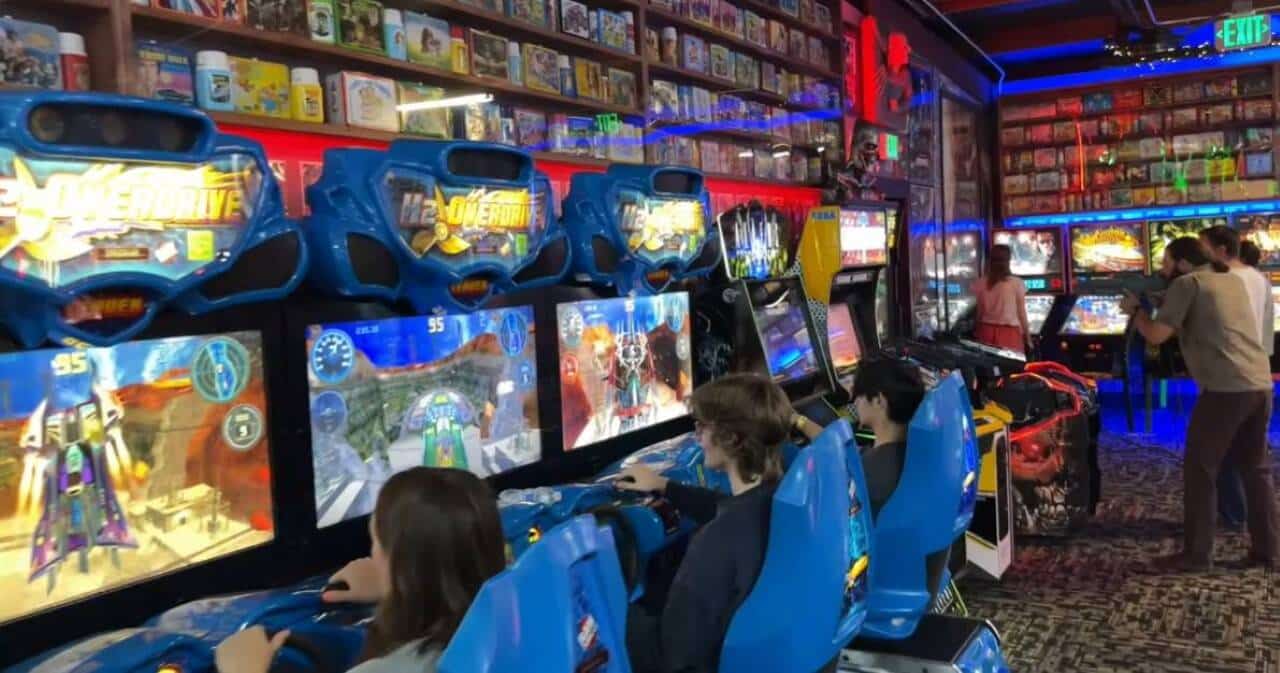
Arcades in Japan are witnessing an unexpected phenomenon: crane games, known asUFO catchers, recorded an impressive jump in sales. The sector achieved revenue of 417.7 billion yen, driven by a strategic change in the premiums offered and the economic pressure of rising prices. Everyday items, once neglected, now attract consumers looking for savings and entertainment.
Robust growth in a challenging economic scenario
The Japanese crane game industry has shown remarkable growth, doubling its revenue in the last decade. This success is particularly significant in a period of economic challenges and global inflation. Experts point out that the redefinition of products that can be won in arcades plays a central role in this financial expansion.
Amipara regional manager Koji Kawanishi noted that while previous attempts to offer basic necessities were not widely adopted before the pandemic, the situation has changed drastically in the last two years. The perceived value of essential items has transformed the dynamics of shopping and entertainment in establishments.
Arcade supermarket prizes redefine the experience
The scene in gaming centers today is quite different from what was seen in the past, when sweets and toys dominated the machines. Now, arcade shelves in cities like Hiroshima display products that could be found in any supermarket or pharmacy. Among the items available to be “hunted” are instant noodle cups, miso soups, bottled drinks, tissue packs and even multi-purpose organizers.
This innovation in the awards catalog reflects an intelligent adaptation of the entertainment market to consumer needs. Instead of competing solely in the field of fun, crane games now offer a tangible benefit: the possibility of purchasing essential consumer goods at a potentially lower cost than in traditional commercial establishments. This fusion of utility and leisure has been a crucial factor in building loyalty among a new customer base.
How players balance fun and the pursuit of savings
For many arcade patrons, the attraction goes beyond the simple pastime. The possibility of saving on basic items while having fun is a decisive factor. The players’ motivations reveal an intelligent consumption strategy:
- Perceived savings:“It’s cheaper to get the sweets from the crane game than to buy them at the store. Today I already spent about 3,000 to 4,000 yen.”
- Sense of achievement:“I love the feeling of having achieved an item. I get snacks for Indonesian interns at my company.”
- Strategic replenishment:“I come here to replenish my supply of sweets and juices. It’s easy to get and I have fun.”
- Cost-benefit:“If I can get five bottles of drinks for 100 yen, it’s much more advantageous than buying.”
These testimonials emphasize that the experience offers a double “victory”: the excitement of the game and the practical gain of products that would be purchased anyway. The combination of “fun” and “savings” creates a unique value proposition for Japanese consumers.
The global scenario of inflation and the reinvention of entertainment
The phenomenon observed in Japan with crane games can be seen as a micro example of a broader trend of how global inflation is reshaping consumer behavior and the strategies of entertainment industries. Instead of cutting spending on leisure, people are looking for ways to integrate entertainment with basic needs.
This reinvention of arcades shows that, even in times of financial hardship, the demand for entertainment does not disappear, but adapts. A traditional sector’s ability to adjust to economic realities and offer “added value” — be it savings or utility — is critical to its survival and growth, a model that could inspire other markets around the world.
Majority contribution to the revenue of gaming centers
Currently, crane games represent a significant portion of gaming centers’ total revenue. They already account for 68% of revenue, consolidating themselves as the main source of profit for many establishments. This high percentage demonstrates the strategic relevance of these games and the effectiveness of the change to daily use prizes.
The trend suggests that arcades may be transforming into a new type of entertainment retail, where fun intertwines directly with the acquisition of consumer goods, offering a creative solution to the economic challenges faced by both businesses and consumers.




