
Canonization process for Sigrid Undset, winner of the Nobel Prize for Literature, begins in Oslo

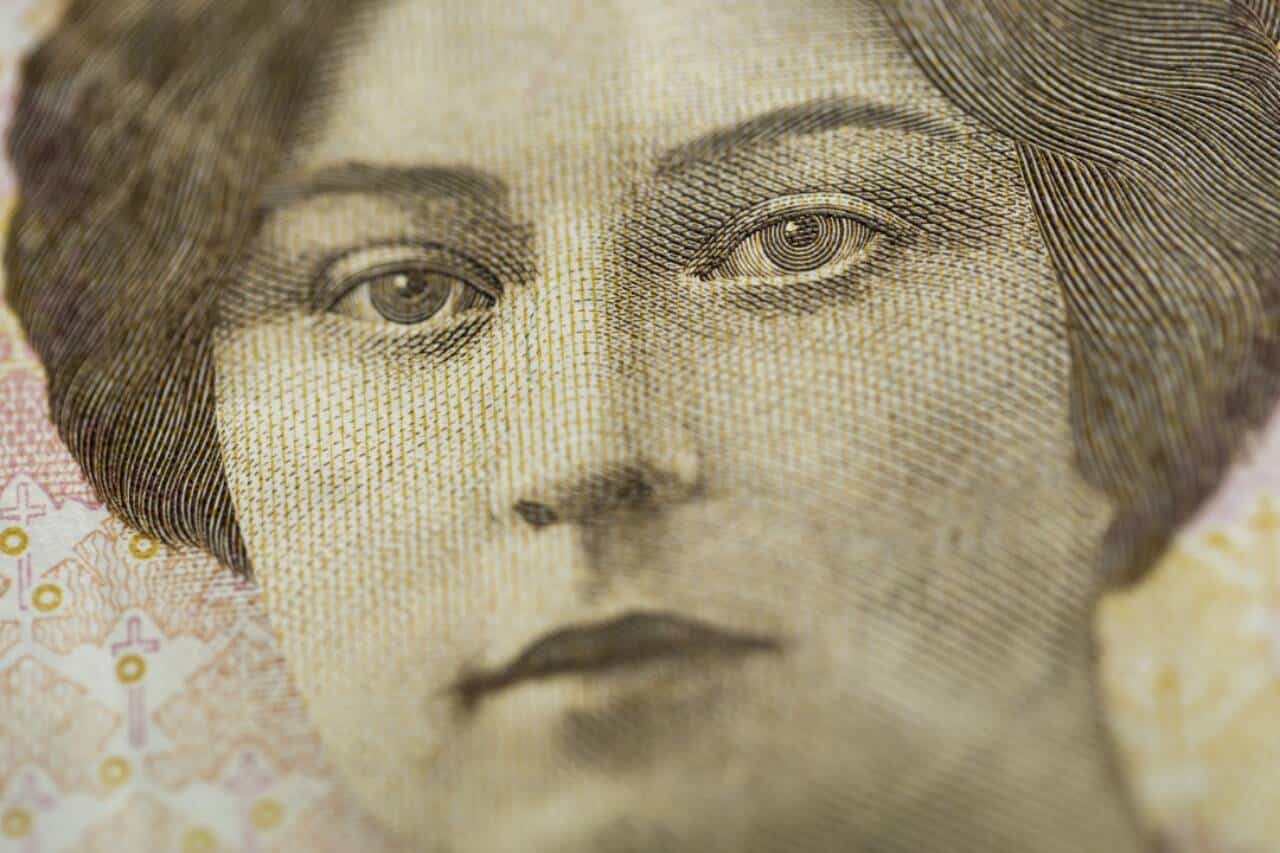
The canonization process of Sigrid Undset, renowned Norwegian writer and Nobel Prize winner, will officially begin by the Diocese of Oslo. The decision, revealed during the celebrations of the feast of Saint Sunniva on the island of Selja, marks the beginning of the diocesan phase of the conversion cause of this influential Catholic novelist, scheduled for this autumn.
Bishop Fredrik Hansen, responsible for the Diocese of Oslo, in Norway, formalized the announcement of the opening of the canonization process for Sigrid Undset. This initiative positions one of Scandinavia’s most acclaimed literary figures on the path to potential sainthood and presents Norway’s small Catholic community with a notable local candidate for veneration.
The communication was made by Hansen during the mass held on the island of Selja, located on the Norwegian west coast, on Monday, July 8, 2026. Amid the gathering of pilgrims celebrating the feast of Saint Sunniva – a century after Undset’s first visit to the site – the bishop described her not only as a Nobel laureate or one of the country’s great writers, but as a convert to Catholicism whose journey of faith, adversity, intelligence and moral integrity continues to have a major impact on the contemporary Church.
This decision represents a significant milestone for the minority Norwegian Catholic community. Undset, a giant of Scandinavian and national literature, had an existence marked by literary brilliance, by a personal turbulence that evokes the trajectory of Saint Augustine and by a strong opposition to totalitarian regimes, always maintaining an unshakable testimony of Catholicism.
How Sigrid Undset’s canonization cause was opened
Bishop Hansen made a point of presenting Undset, primarily, not as an iconic literary figure, but as an example of Christian holiness. “She is much more than an author and Nobel Prize winner,” he declared. “For us, she is a model of Christian faith, of a life lived in virtue and the pursuit of holiness.”
Hansen contextualized the decision within the Church’s broader doctrine, which states that holiness is the vocation of all Christians, highlighting that it is not restricted to a select group.
With Undset, the bishop suggested that the Catholic Church in Norway finds a tangible example of this vocation, manifested in its public life, in the midst of suffering, in motherhood and in its journey of conversion.
The bishop emphasized several striking points in his testimony: his firm defense of the Catholic faith, his staunch opposition to Nazism and his work for Norwegian freedom during the conflict, in addition to his “constant and practical concern for the poor”. He also highlighted her commitment to caring for her disabled daughter, characterizing it as part of her “commitment to life and the sanctity of life”.
Undset’s literary works, Hansen added, influenced generations of believers, encouraging them to a life in Christ and preserving the memory of the testimony of medieval Norwegian saints.
Analysts of Undset’s life note that his childhood does not align with the traditional concept of holiness. His trajectory was punctuated by personal instabilities, public debates and decisions that provoked a social scandal. However, supporters of his cause highlight exactly this complexity as an essential component of their testimony of faith.
Undset did not maintain a conduct of moral perfection from his early years. On the contrary, she followed a path of progressive conversion, repentance and an ever greater engagement with the Catholic faith.
In this way, her story highlights the belief that holiness does not consist in the absence of flaws or mistakes, but rather in the operation of divine grace in a life, continually transforming it in the search for this virtue.
Discover Sigrid Undset’s life story
Sigrid Undset came into the world in Denmark in 1882 and grew up in Norway, in a home with predominantly atheist parents. At the age of 16, after the death of her father and the financial difficulties faced by the family, she began working as a secretary, during which time she also began her writing career.
At the age of 25, she made her debut on the literary scene with the work “Fru Marta Oulie”, a novel that addressed adultery. Her opening sentence — “I was unfaithful to my husband” — generated a huge scandal in Norway, but simultaneously projected her to public recognition.
Literature historians have pointed out that her lifestyle was considered unconventional for a woman of that period. Undset had a habit of smoking, drinking, used strong language and was recognized for her frankness and striking personality.
In Rome, Undset began a relationship with the painter Anders Castus Svarstad, at a time when he was still married, later marrying him. The couple had three children, one of whom was disabled, and she also contributed to raising the children Svarstad had from her previous marriage.
In 1924, at the age of 42, Undset chose to join the Catholic Church, a choice considered controversial in Norway, a country with a Lutheran majority. Despite critics who saw her as a step backwards, she publicly embraced her faith, later becoming a lay Dominican and openly addressing her conversion in essays and works of fiction.
Some critics in Norway have dismissed his most recent publications, labeling them “Catholic propaganda”. This reaction demonstrated the discomfort with the conversion to Catholicism of one of the most important writers in the country.
Undset also expressed great admiration for G.K. Chesterton; There are records that she met him personally and translated some of his works into the Norwegian language.
In 1928, just four years after her conversion, Undset was awarded the Nobel Prize for Literature. She was recognized for her descriptions of medieval Scandinavia and became world famous for the historical trilogy “Kristin Lavransdatter”.
His novels were infused with elements of medieval Christianity, addressing themes such as sin, grace, suffering and repentance, issues that, increasingly, mirrored his own spiritual journey.
Undset used his work and status as one of the most vocal Catholic voices in Scandinavia to advocate for the Christian faith and oppose the ideological trends that were transforming Europe. As a pioneering critic of Adolf Hitler and Nazism, she escaped Norway during Nazi occupation in World War II, taking refuge in the United States, where she openly spoke out against totalitarianism and in favor of her home nation.
Inspiring legacy for future Catholicism in Norway
Bishop Hansen’s decision comes at a time when the Norwegian Catholic Church is experiencing steady growth, driven by both immigration and adult conversions. This happens as the Church seeks to deepen its roots in the country’s own history.
If the cause for canonization proceeds, Undset could become not only a recognized novelist under ecclesiastical scrutiny but also a singular example of sainthood for the contemporary era: a figure flawed, remarkable, intellectually profound, and ultimately transformed by grace into a witness for Christ.
The formal inauguration of the diocesan phase of the Undset process is scheduled for this fall. Hansen stated that this measure is driven by her certainty that the testimony of the writer’s life transcends the limits of Norwegian literary history.
“I believe that Sigrid Undset’s life and work have much to offer both to the Church in Norway and to the universal Church,” he declared – an assessment that now places Undset on the long journey towards possible sainthood.





