

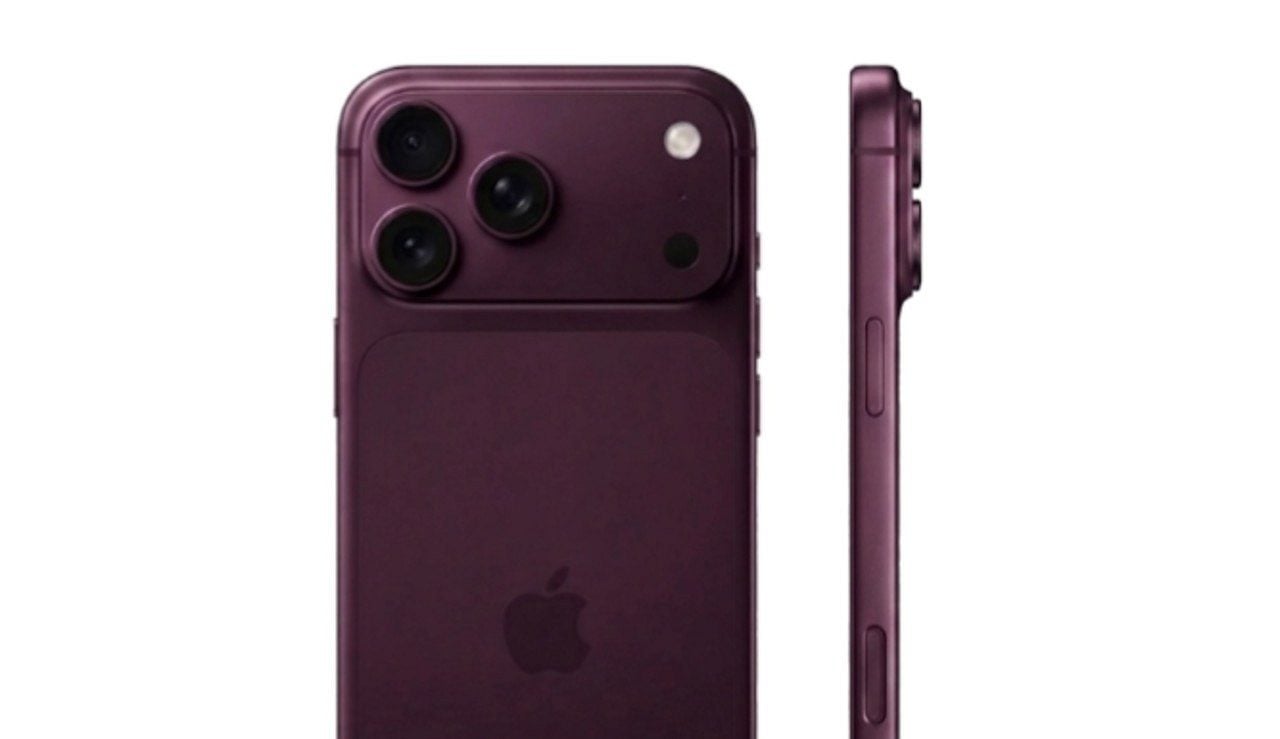
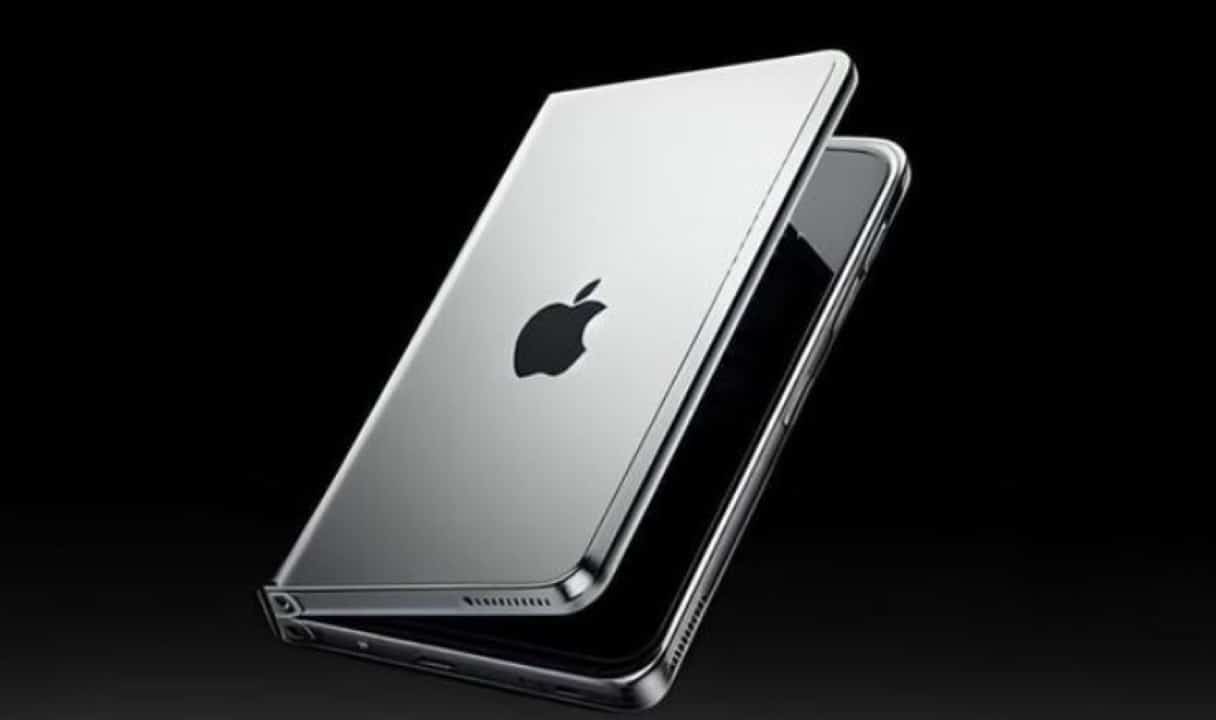
The Cupertino giant plans a significant overhaul of its premium smartphone catalog for the second half of 2026. Consumers will have to choose between two completely different design philosophies, marking a decisive moment for the company. On the one hand, the traditional model focused on extreme photographic refinement; on the other, the long-awaited entry into the flexible screen market with a new variant equipped with a 7.8-inch internal display. This dual strategy aims to serve both brand purists and new technology enthusiasts who were waiting for a response from Asian competitors.
Performance leap guaranteed by new ultra-compact processor architecture
The heart of both devices will be shaped by the industry’s latest semiconductor manufacturing technology. Taiwanese supplier TSMC will be responsible for producing the A20 family chips using the two-nanometer process, a historic milestone in hardware engineering. This extreme miniaturization allows billions of additional transistors to be grouped in the same physical space, resulting in a component that promises to be fifteen percent faster than the previous generation.
In addition to the gross gain in speed, energy efficiency should show an improvement of around thirty percent. Sources linked to the supply chain point out that the manufacturer will adopt a clear segmentation between internal components. The more robust version of the chip, provisionally called A20 Pro, will bring extra graphics cores and an expanded neural engine for instant local artificial intelligence processing.
Interestingly, the device with a folding screen should receive the standard version of the processor, without the additional cores of the professional variant. This technical decision probably reflects the need to control internal heating in a split chassis, where thermal dissipation is notoriously more complex than in single blocks of aluminum and titanium used in conventional devices.
Drastic changes to the photographic set separate the two cutting-edge versions
The ability to capture images will reveal the biggest technical gulf between the company’s two proposals for 2026. The traditional format will maintain the coveted three-lens system, introducing variable aperture technology on the main 48-megapixel sensor. This physical mechanism allows the lens diaphragm to mechanically adjust to ambient conditions, closing in bright sunlight and opening to its maximum in nighttime scenarios.
Having real optical control over light input and depth of field brings the smartphone closer to the functioning of dedicated professional cameras. Historically, cell phones relied almost exclusively on software algorithms to simulate background blur, something that will now be done naturally by conventional device lenses. An industry roadmap even mentions an even larger sensor in the future, going from 1/1.28 inches to 1/1.12 inches, but that specific change isn’t expected to arrive in time for the September launch.
The design of the flexible device, in turn, comes up against the laws of physics and the limitations of internal space. The engineering required to accommodate the hinge forced the removal of the telephoto lens, leaving the device with just two 48-megapixel rear sensors. The optical zoom lens with eight times zoom will continue to be restricted to the bar format.
- Traditional configuration: three rear sensors, variable aperture mechanism and unique zoom lens.
- Flexible variant: dual capture system, lack of advanced optical zoom and focus on portability.
- Photographic advantage: clear superiority of the conventional model in night scenes and distance photography.
Power autonomy raises doubts about the daily viability of the flexible format
Keeping devices powered on for a full day of heavy use will require different approaches for each form factor. Leaked industry documents indicate that the larger version of the conventional model will house a massive power cell, ranging between 5,100 and 5,200 mAh. This component will work together with LTPO+ display panels, a technology capable of drastically reducing the screen refresh rate when static images are displayed, intelligently saving load.
The scenario changes drastically when the analysis turns to the new folding product in the catalogue. Powering an expansive 7.8-inch internal panel requires a considerable amount of electricity, much higher than the consumption of the 6.9-inch screens present in the largest conventional models. The challenge is compounded because the central folding mechanism adds weight to the product but does not provide hollow space to accommodate larger batteries.
With a projected thickness of 11 millimeters when closed, the innovative equipment has severe internal volume restrictions. Hardware experts point out that comparing battery life between the two lines will be unfair, as the consumption of the giant display will inevitably drain the charge faster. Those looking for greater durability away from sockets will have to focus exclusively on the traditional large screen model.
Structural challenges and lack of established resources mark the device’s debut
Launching the first generation of a product with moving parts involves risks that not even the most advanced laboratories can fully mitigate before it reaches stores. The resistance of the hinge after thousands of daily openings, the visible mark in the center of the display and the ease of repair are factors that only real-world use can validate. The company will invest heavily in trying to eliminate the crease in the screen that affects Android devices, but the full success of this endeavor remains uncertain.
Another notable sacrifice of the innovative format is the loss of native compatibility with the magnetic charging system and accessories. The articulated chassis simply does not have enough free area to house the magnet ring. The operating system will also need to prove that it can transition seamlessly between the smaller external screen and the expansive internal display without aspect ratio flaws.
Meanwhile, the traditional model will maintain all the established features, presenting dimensions almost identical to the previous generation. The physical growth will be almost imperceptible, adding just 0.36 millimeters in height and 0.39 millimeters in width, guaranteeing the ergonomics already known to users and the perfect functioning of all magnetic accessories.
User profile will dictate the ideal choice between risky innovation and safe evolution
The purchasing decision will fundamentally depend on what the consumer considers essential in their digital routine. Individuals who use their smartphone as their main content creation or photography tool should opt for the classic format without hesitation. The presence of variable aperture and advanced zoom lens offers unparalleled creative tools that justify investment in the professional line.
Those who suffer from the constant need to recharge will also find safe haven in the conventional large-screen version. Data on LTPO+ panel power capacity and efficiency form a reliable set of specifications. This is a predictable but extremely solid evolution, tested and with real gains documented by the semiconductor industry.
The acquisition of flexible equipment requires a more adventurous profile and willingness to deal with the limitations of a first generation. Unless the user has a specific professional need that justifies carrying a giant display in their pocket, waiting for the project to mature in subsequent years appears to be the most sensible attitude. The traditional format delivers absolute certainty, while the foldable version still navigates the field of technological promises.




