
Unprecedented technology: Nubia confirms first smartphone with AI agent in the system

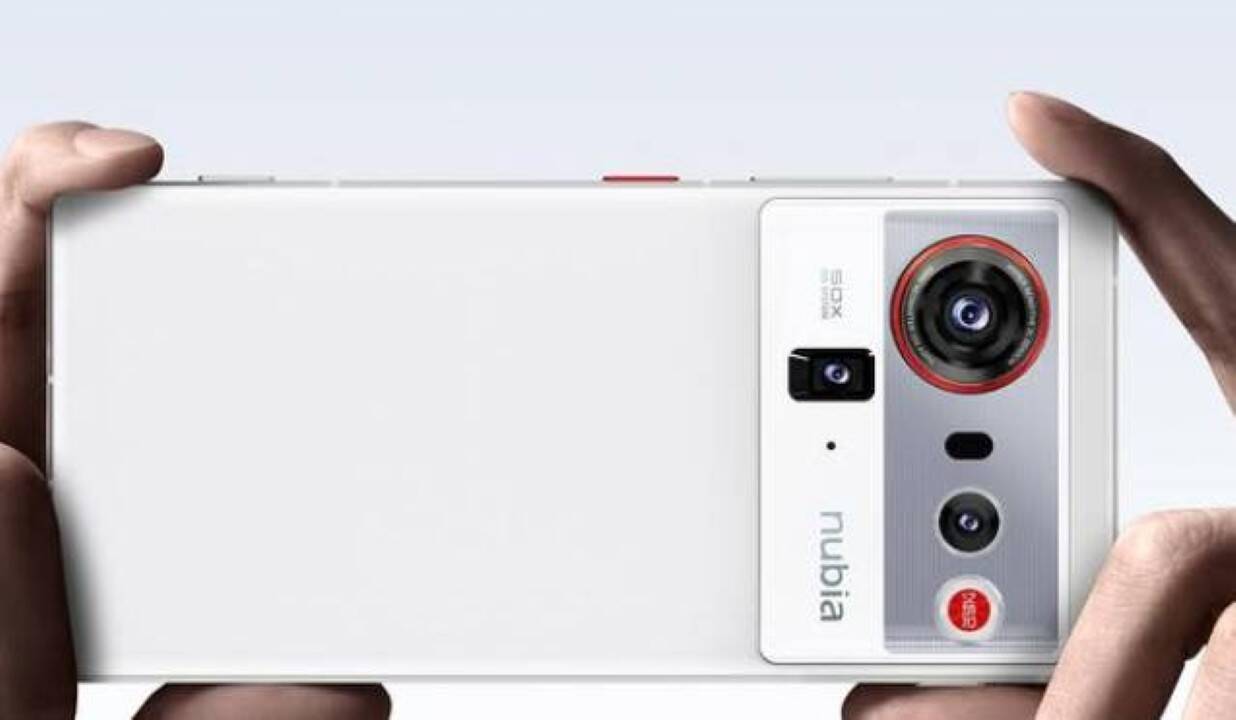
Technology manufacturer Nubia announced, this Wednesday, July 8, 2026, the imminent arrival of a new smartphone model equipped with artificial intelligence. The difference, according to the company, is the integration of an AI agent at the operating system level, promising to go beyond common functions and perform complex tasks for users.
Next generation of AI cell phones will be presented at the Shanghai World Conference
As stated by Ni Fei, senior vice president of ZTE and leader of the company’s cell phone division, Nubia’s future flagship is being positioned as the first global device with fully integrated artificial intelligence. Its public debut is scheduled for the 2026 World Artificial Intelligence Conference (WAIC), scheduled to take place in Shanghai between July 17th and 20th.
There are rumors in the market indicating that this new device could be the final version of Nubia’s second-generation Doubao smartphone, developed in collaboration with ByteDance. Previously, the Nubia M153 model, a technological test version, had a remarkable performance, selling 30 thousand units on the day of its launch. Information released by Shanghai authorities also indicated that the new device would be one of the highlights of the annual event.

Functioning of the highlighted artificial intelligence agent
In contrast to current smart devices, which focus on answering questions or generating content, Nubia emphasizes that its AI agent is intrinsically linked to the operating system. The company explains that the technology is capable of interpreting commands in natural language and carrying out a series of complex actions, acting autonomously in various applications.
A practical example illustrates this capability: when asked to find and book the most economical flight to Beijing, the AI agent must launch the relevant applications, compare available prices, fill in the reservation details and complete the transaction, all without direct user intervention.
This functionality is enabled by a GUI agent architecture and an advanced language model, which were incorporated directly into the device. This structure allows the system to understand and interact visually with the smartphone interface, without relying exclusively on application APIs. ZTE also highlights its proprietary intelligent scheduling technology, called CoClaw, which ensures harmonious integration between different applications and ecosystems, boosting automation.





