
Why did the Humane AI Pin fail? Lessons for the next generation of AI devices

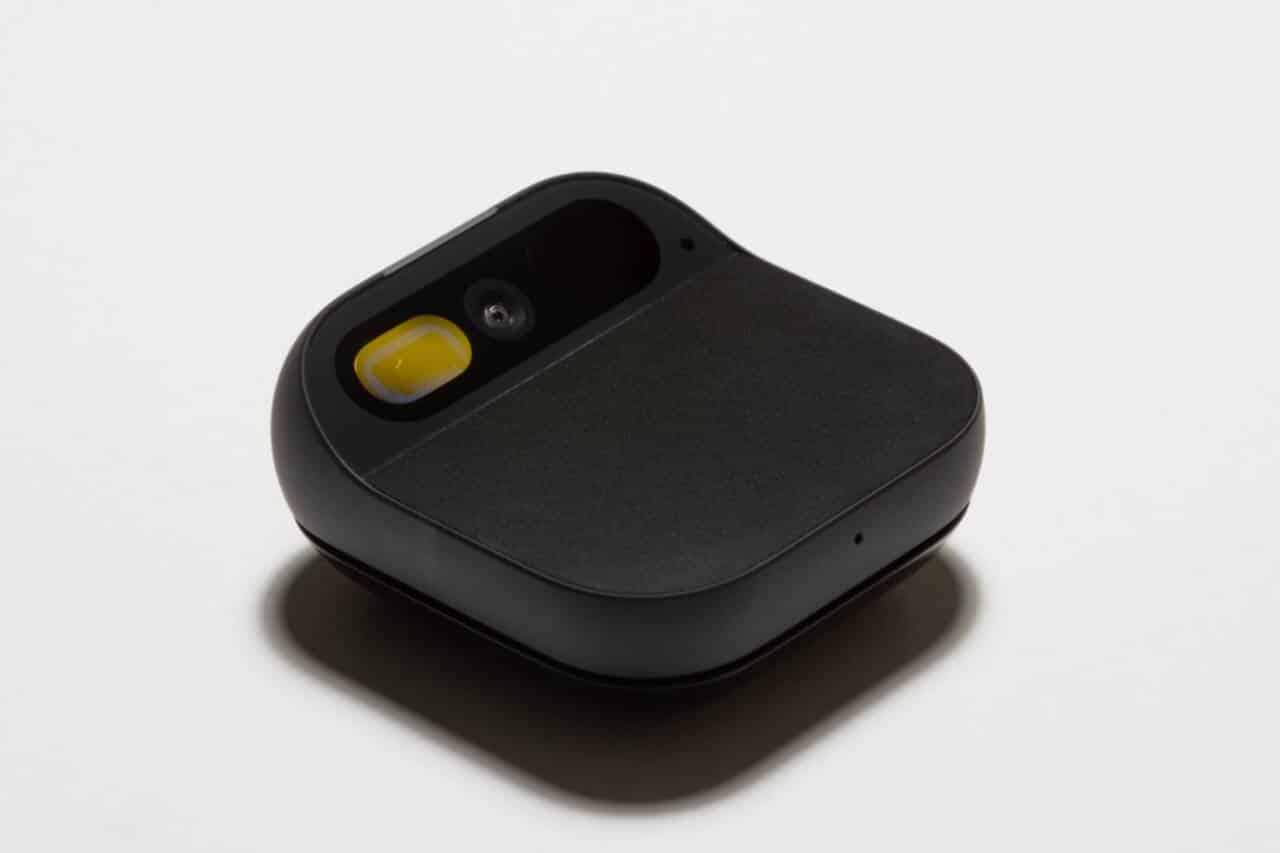
The failure of a new artificial intelligence device shows that the technology needs to present unique solutions, which surpass the functionalities already offered by cell phones, to gain public support, as demonstrated on Tuesday, July 9, 2026. The Humane AI Pin device, launched with the aim of innovating, failed to establish itself as a replacement for existing smartphones.
Its high acquisition cost and mandatory monthly subscription were considered disproportionate to the few practical benefits it offered. HP subsequently acquired only specific company assets, excluding the AI Pin-related business, marking the end of its operations as independent hardware. This scenario highlights the need for future gadgets with artificial intelligence to prove their real usefulness in users’ daily lives in order to be viable. The scathing criticisms that the device received from the beginning were not unfounded, but rather valid questions that the product was never able to address satisfactorily.
What AI Pin Failed to Demonstrate to Consumers
In April 2024, when the renowned Marques Brownlee released his analysis, describing the device as “The Worst Product I’ve Ever Reviewed… For Now”, the technology community reacted with accusations that it was harming an innovative company before its time. However, just two years after launch, the situation was reversed: Humane ended its activities as a hardware manufacturer, AI Pin was discontinued, and the biggest impacts were the pioneering customers who invested in the proposal.
Therefore, the failure of the AI Pin transcends the narrative of yet another product that failed on the market; it serves as an important lesson about consumer expectations regarding the new generation of artificial intelligence devices.
Humane had raised approximately $230 million before putting the AI Pin up for sale. The gadget hit the market with a price of US$699, plus a mandatory monthly fee of US$24, which brought the total cost in the first year to around US$1,000. In less than a year, HP completed the acquisition of Humane’s assets for $116 million, covering its software platform, patents and engineering team, but deliberately did not include the AI Pin division. The device’s servers were shut down on February 28, 2025, and only users who purchased their Pins after November 15, 2024 were eligible for a refund.
The situation became ironic, since the consumers who invested in the product from the beginning, taking the biggest risk when embarking on an innovative technology category, were the ones who, for the most part, did not receive any form of compensation. Hardware problems had already been widely reported well before the services were shut down. Brownlee, for example, pointed out the slow performance, the battery life of just two hours, the poor projection in external environments and the evident overheating of the device.
Several other analysts, such as David Pierce, Scott Stein, Mark Gurman, and YouTuber Mrwhosetheboss, reached very similar observations after testing the device. This consistency in criticism was due to the fact that the flaws were undeniably noticeable.
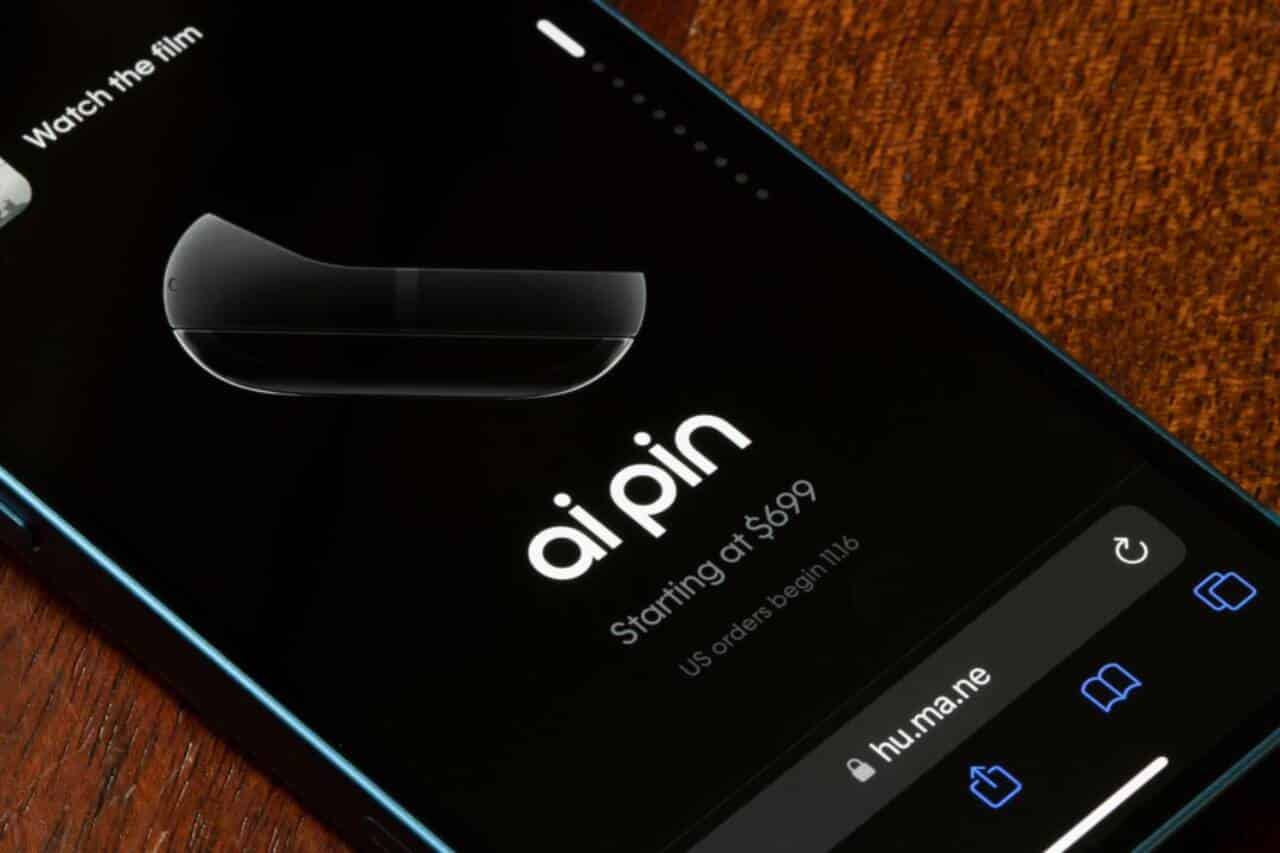
The fundamental question that every new gadget needs to solve
Technical deficiencies alone are rarely the decisive cause of a product’s failure, as many early devices are often improved in future versions. However, the Humane AI Pin faced a more substantial difficulty: It asked consumers to adopt an entirely new device, without offering a truly compelling reason to abandon the smartphone they already owned.
While the AI Pin was capable of answering questions, translating languages, playing music and sending messages, a smartphone already performed these functions. Most of the time, cell phones did them more quickly, with an intuitive interface, a superior screen and without the need for a new monthly fee. This point revealed the central weakness of the product: the absence of a well-defined “main function”. Instead of replacing an existing need, the device simply added another item to the list of devices to charge, operate and pay for.
Artificial intelligence is consolidated where users are already present
The launch of AI Pin came at a time when companies like Apple, Google and Samsung were quickly incorporating artificial intelligence features into the smartphones consumers were already using. The industry, therefore, went in the opposite direction, improving existing devices instead of creating a demand for a new category of hardware.
Humane was not the only one to follow this path. Rabbit’s R1, released around the same time, was also faced with similar doubts about its performance and actual usefulness. Both products were based on the belief that the public was looking for specific AI hardware, not just artificial intelligence enhanced in the devices they already use. However, market trends indicate a different direction.
Meta’s Ray-Ban smart glasses, for example, have seen considerable success compared to other standalone AI wearables. This occurred not because it offered all of AI Pin’s capabilities, but because of its natural integration with everyday habits, given that many people already wear glasses. Including artificial intelligence in this experience requires a much less drastic behavioral change than persuading the consumer to attach a new device to their clothing. This difference is crucial. A successful consumer technology rarely requires a complete reinvention of users’ routines; it actually optimizes and improves already established habits.
The key learnings for the next generation of AI devices
The Humane AI Pin ultimately required its buyers to make multiple concessions simultaneously: having to carry an additional device, master a new interface, accept lower performance, bear a high initial cost and a monthly subscription, in addition to placing trust in a startup without a robust track record in the hardware area to improve the product over time. For most users, such demands were excessive.
The closure of this product, however, does not invalidate the future of voice-driven ambient artificial intelligence, whose proposal is still quite seductive. The main question lies in knowing whether this experience requires exclusive hardware or whether it would be more effective as software integrated into devices such as smartphones, headphones or glasses.
When considering the purchase of the next generation of AI devices, consumers should consider some essential questions: Does the device solve a problem that my cell phone cannot? Does it operate without an expensive monthly fee? What will be the fate of the device if the company that created it closes its activities? And, in this scenario, will the device continue to work? Brownlee’s assessment, therefore, was not responsible for the end of the Humane AI Pin, but rather the early recognition of a failure that the market itself would confirm. The most effective artificial intelligence product is not necessarily the one with the boldest vision, but rather the one that gives the public a clear and compelling reason to adopt something new.





