
End of the line for Mario Kart Tour: Nintendo marks server closure for 2026

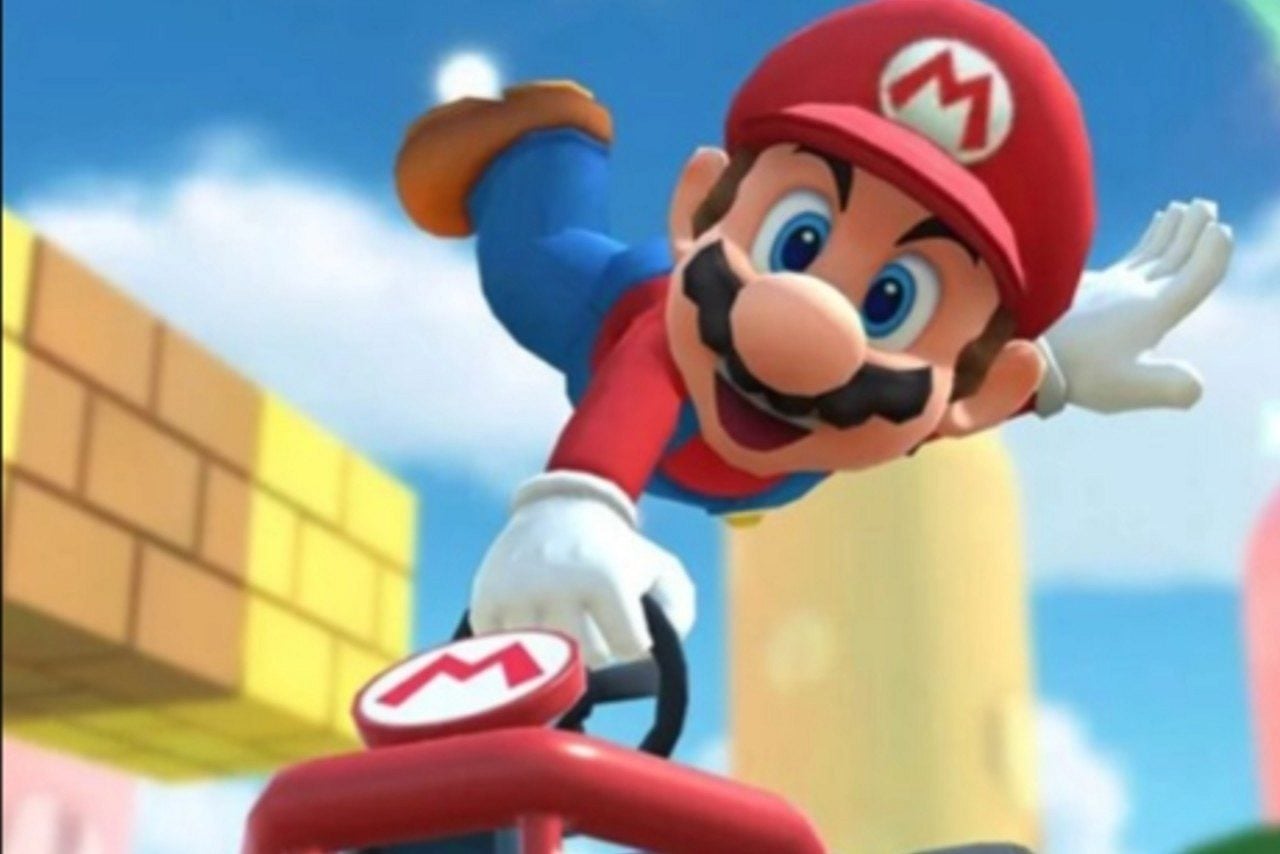
The Japanese video game giant confirmed the definitive closure of online activities for one of its most popular projects on smartphones. Mario Kart Tour servers will be shut down on September 30, 2026, marking the end of an era for mobile device users. The drastic measure means that all progress made, as well as cosmetic items and characters unlocked over the years, will completely disappear from users’ accounts.
The racing app originally debuted on September 25, 2019, representing one of the Super Mario creator’s rare and ambitious forays into the cell phone ecosystem. During its life cycle, the title accumulated millions of downloads on iOS and Android operating systems, offering tracks inspired by real cities and classic circuits from the franchise. After the deadline established by the developer, the software will only display a connection error message, preventing any type of access to the main menu.
The decision reflects a change in the company’s strategy in relation to the mobile market, which in recent years has seen a drastic reduction in new launches by the brand. Industry experts point out that maintaining cloud infrastructure for older titles often becomes financially unfeasible when the active player base dwindles. This movement raises profound questions about the useful life of products based exclusively on online services.
Immediate changes to the virtual economy and the application closure schedule
With the closure horizon already defined, the application administration began the transition process to deactivate internal monetization. The sale of so-called Rubies, the premium currency used to acquire advantages and participate in virtual draws, has been halted. Consumers who still have a positive balance in their digital wallets will be able to spend these coins until the last minute of server operation.
To partially compensate for the loyal fan base, the company restructured the ongoing benefits system offered within the platform. From August 5th, the benefits linked to the monthly subscription service known as Gold Pass will undergo significant changes. The official deactivation schedule includes specific steps that directly affect the routine of those who access the application daily:
- Immediate blocking of new financial transactions involving real money in Apple and Google app stores.
- Gradual release of exclusive season pass features for all active profiles, regardless of prior payment.
- Maintenance of multiplayer races and seasonal events with only existing content, without the introduction of new tracks.
These measures aim to soften the impact of the news, allowing the community to enjoy the remaining months without the pressure of investing additional capital. However, the absence of a plan to convert the experience into a self-sufficient product remains the main point of friction between the corporation and its customers.
The absence of an offline mode angers the community and exposes the fragility of virtual shopping
The announcement generated a wave of immediate indignation on the main social networks and forums dedicated to the racing franchise. The main complaint from enthusiasts lies in the developer’s refusal to create a final update that would allow gameplay without the need for an internet connection. Without this alternative, the vehicles, gliders and special suits acquired with effort or real money will evaporate the moment the cables are disconnected at the company’s headquarters.
Many consumers reported investing hundreds of dollars over the seven years of the software’s operation, believing they would have perpetual access to digital assets. Current legislation in most countries still treats this type of transaction as a temporary licensing of use, and not as a definitive possession. This creates a legal vacuum where the client assumes all the financial risk by injecting resources into a closed ecosystem controlled by third parties.
Historically, some companies choose to release independent versions of their mobile games when they decide to end online support, preserving the work of artists and programmers. The fact that intellectual property as valuable as Mario Kart is being discarded in this way reinforces fears that the history of modern video games is being erased in real time. Software preservation has become one of the most urgent topics among academics and historians of technology.
Ubisoft’s precedent with The Crew and the global mobilization for consumer rights
The extermination of virtual worlds is not exclusive to the Japanese giant, becoming a standard and controversial practice in the interactive entertainment industry. In April 2024, French publisher Ubisoft permanently shut down the servers for The Crew, an ambitious open-world racing game released a decade earlier. As in the case of karts on mobile devices, buyers of the title for consoles and computers lost full access to the work.
The European company’s attitude served as a trigger for the emergence of a global initiative by players seeking to pressure government regulatory bodies. The objective of these campaigns is to demand that producers provide tools for users to host matches themselves when official support ends. The central argument is based on the idea that the intentional destruction of a legally sold product violates basic principles of consumer protection.
Legal experts who follow the sector believe that the case of mobile applications could easily enter the radar of these defense organizations. Although free-to-play mobile games have terms of service that exempt creators from liability for termination, the continued sale of microtransactions creates a legitimate expectation of durability. The clash between corporate terms of use and the right to digital private property is just beginning to reach the courts.
Rumors about the end of physical media in the PlayStation ecosystem expand the warning
The scenario of uncertainty goes beyond the borders of smartphones and reaches the heart of the traditional table console market. Behind-the-scenes information and market analysis indicate that Sony, manufacturer of the PlayStation family, is considering completely abandoning the production of physical discs from January 2028. If this transition comes to fruition, downloading through the platform’s official store will become the only viable method for consuming new interactive works.
Exclusive dependence on digital storefronts like the PS Store creates a systemic risk for the preservation of entertainment. If such a platform suffers a financial collapse, changes its licensing policies, or simply decides to disable legacy servers, entire libraries built by players over decades could disappear overnight. The concept of collecting, so rooted in gamer culture, is threatened by this cloud-based architecture.
The stances adopted by corporations of the caliber of Nintendo, Ubisoft and Sony consolidate a new reality where the act of buying a game is more similar to renting temporary space on a server. Until legislation adapts to the speed of technological innovations, the public will continue to be vulnerable to unilateral decisions by administrative councils. The end of races on cell phones in 2026 will be just another reminder that, in the current business model, control over the collection belongs exclusively to companies.





