
NASA confirms longest solar eclipse of the century with six-minute total darkness in 2027

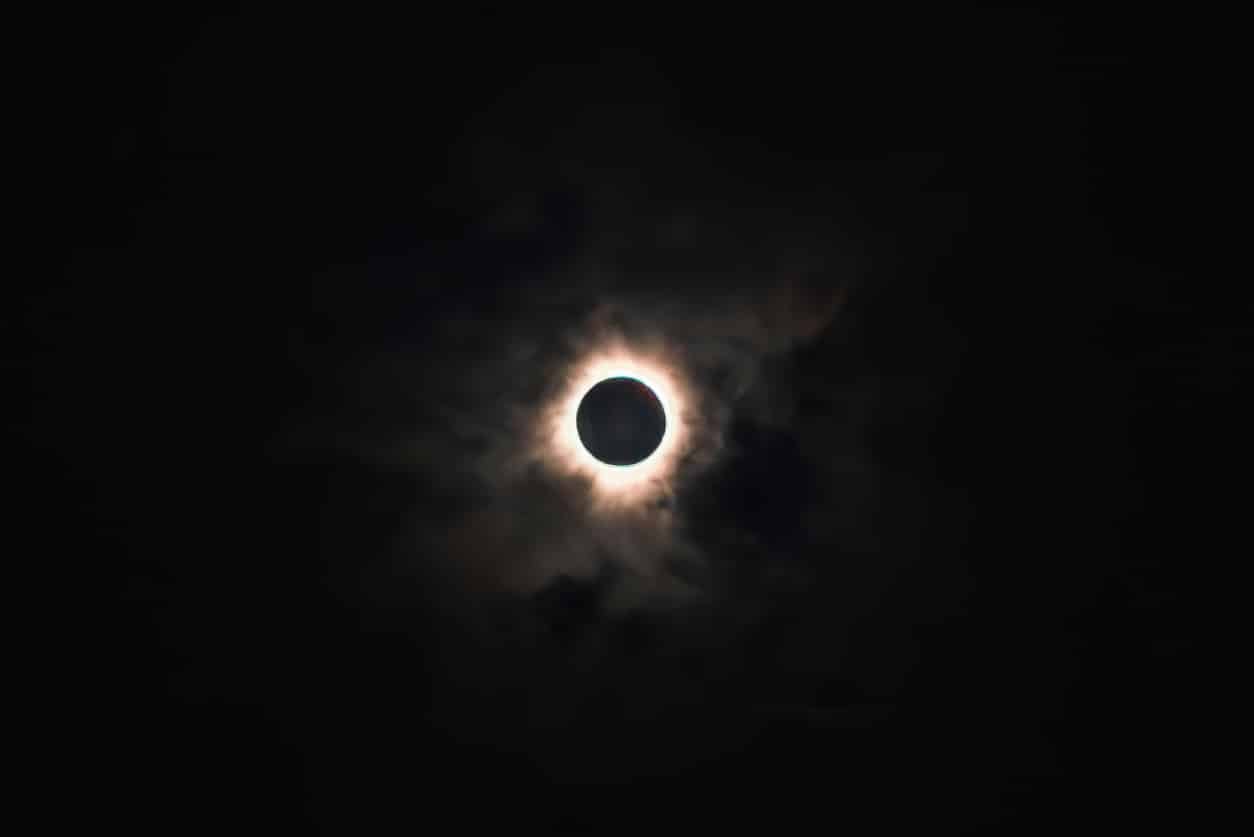
NASA has confirmed the operational details of the longest solar eclipse of the 21st century, which will take place on August 12, 2027. The astronomical phenomenon will have its range of totality extended across several countries in North Africa and the Middle East, attracting the attention of scientists and observers around the world due to the record time in which the Moon will completely cover the star’s disk.
The culmination of the event will take place in the Luxor region, Egypt, where total darkness will reach the 6 minute and 23 second mark. This exceptional duration makes this alignment a historic milestone, easily surpassing the average of recent total solar eclipses, which usually last between two and four minutes at most.
Route of totality cuts through historical sites and mobilizes tourism
The Moon’s shadow will begin its trajectory over the Atlantic Ocean, advancing towards the European continent through the Iberian Peninsula, crossing the Strait of Gibraltar and reaching Spain. Then, the ideal visibility band will run through African nations such as Morocco, Algeria, Tunisia and Libya, before reaching Egyptian territory and heading towards Saudi Arabia and Yemen.
Experts in astronomical tourism point out that the geographical coincidence of the peak of the phenomenon occurring over the Valley of the Kings, in Luxor, should generate an unprecedented movement of visitors. Local governments have already started infrastructure planning to receive the flow of professional and amateur astronomers on that date.
Phenomenon surpasses previous marks and establishes new top
For comparison, the much-watched total solar eclipse in North America in April 2024 had a maximum darkness time of 4 minutes and 28 seconds in the Mexico region. The 2027 event will deliver nearly two more minutes of totality, representing a much larger scientific window for studying the solar corona.





