
Future of the iPhone 20: Apple plans to change aluminum structure to a more futuristic finish

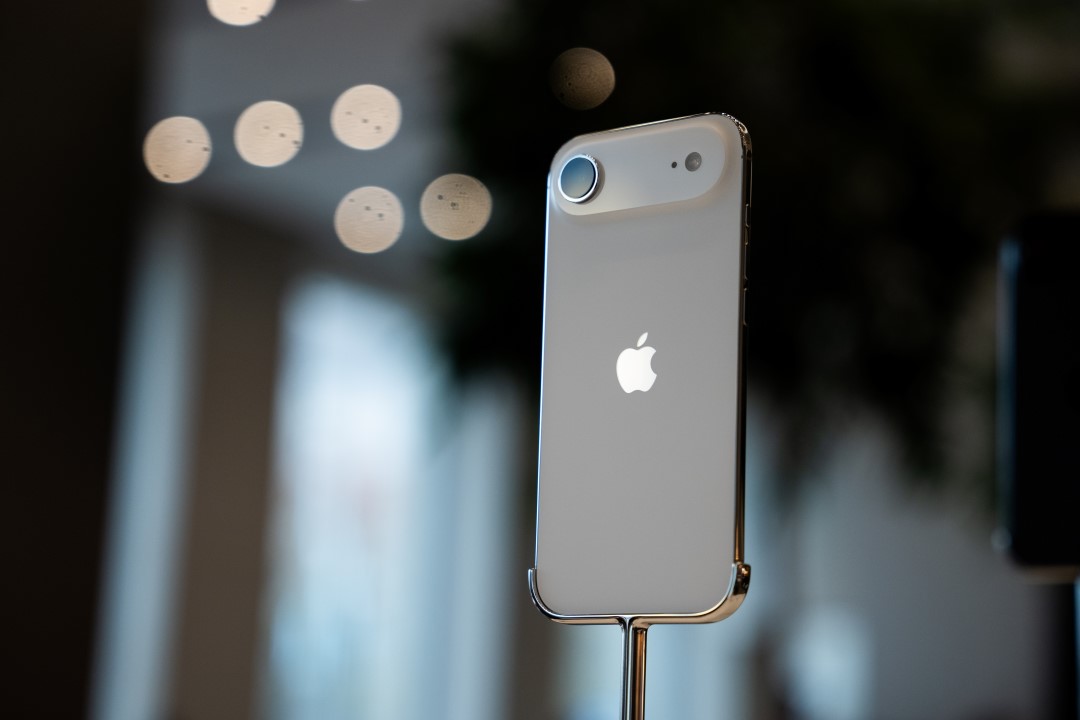
New rumors indicate that the iPhone 20, scheduled for launch in 2027, will undergo a significant visual redesign, including the replacement of the traditional aluminum structure. Informant Fixed Focus Digital revealed onMonday, July 13, 2026, that the device will adopt a “futuristic” finish, promising a renewed aesthetic in line with the brand’s future innovations.
According to a post made by Fixed Focus Digital on the Weibo platform, the iPhone 20 should feature a glass back. This change aims to mimic the premium “Liquid Glass” look expected in iOS 27, promoting a harmonious integration between the hardware design and the software interface. This new aesthetic approach, combined with curved edges, aims to celebrate the 20th anniversary of the iPhone’s launch.
However, the adoption of glass as the main material on the back may generate apprehension among consumers. The intrinsic fragility of glass, especially in a design with curved edges, increases the potential for breakage and, consequently, the costs associated with possible repairs to the device.
Regarding the internal structure of the device, the same informant suggests that the manufacturing process will be similar to that used in the iPhone Air. Apple has already updated its production facilities to accommodate the manufacturing of the upcoming iPhone 20, indicating progress in preparations for its launch.
With this change, Apple will possibly opt to use titanium again. The objective would be to make the device lighter, balancing the additional weight introduced by the glass that will make up the structure of the iPhone 20, thus maintaining the balance and ergonomics of the device.
A relevant technical challenge that arises with the use of titanium is its heat dissipation capacity, which is lower than that of aluminum. This means Apple will need to implement a more efficient and robust internal cooling system. This measure will be crucial to prevent the device from overheating, especially in situations of intensive use.





