
Lesion in fossil from Israel points to violence in Paleolithic Homo sapiens

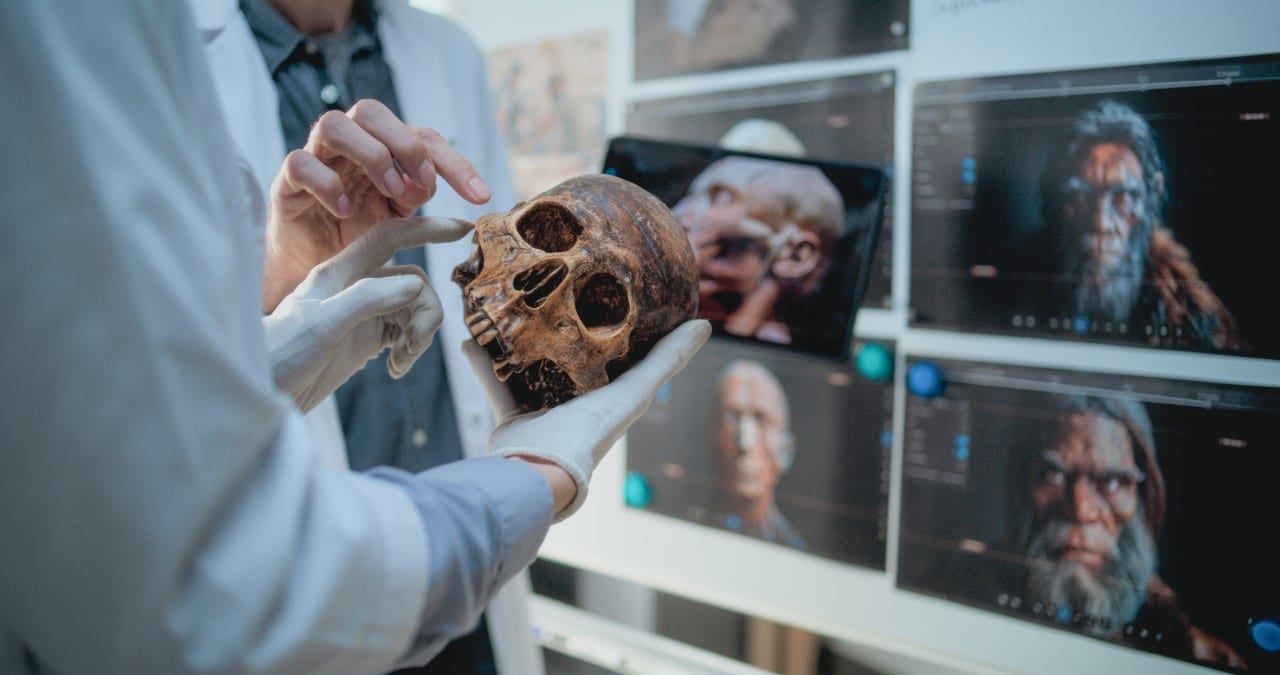
Research published in the journal Scientific Reports on June 30, 2026, revealed that a 9-millimeter mark discovered in the jaw of a fossil indicates the occurrence of cases of violence among the first Homo sapiens. The analysis carried out by scientists offers new clues about the social interactions of these ancestral populations.
The lesion was identified in the fossil called Qafzeh 25, a hominin remains found in the Qafzeh cave in Israel. This important archaeological site, located in the Lower Galilee, near Nazareth, was inhabited between 92,000 and 145,000 years ago and houses the remains of 27 Middle Paleolithic individuals.
How the study explains likely ancient violence
A study conducted by the National Research Center for Human Evolution (CENIEH), in collaboration with researchers at Tel Aviv University, suggested that the injury, due to its characteristic shape and depth, was caused by the impact of a sharp object. Scientists have hypothesized that the trauma resulted from interpersonal violence, making the mark the oldest evidence of physical conflict between Homo sapiens ever recorded. This discovery is crucial as it offers a rare glimpse into the brutality that could exist in prehistoric communities.
The wound on the subject’s left jaw and one of his lower premolars was examined using high-resolution microcomputed tomography. Exams indicated that the hominid survived for a long period after the injury. However, because of the extreme rarity of trauma of this type in Middle Paleolithic fossils, researchers also consider the possibility that the mark was the result of an accident, although only one other case of interpersonal violence has been documented in remains of early Homo sapiens.
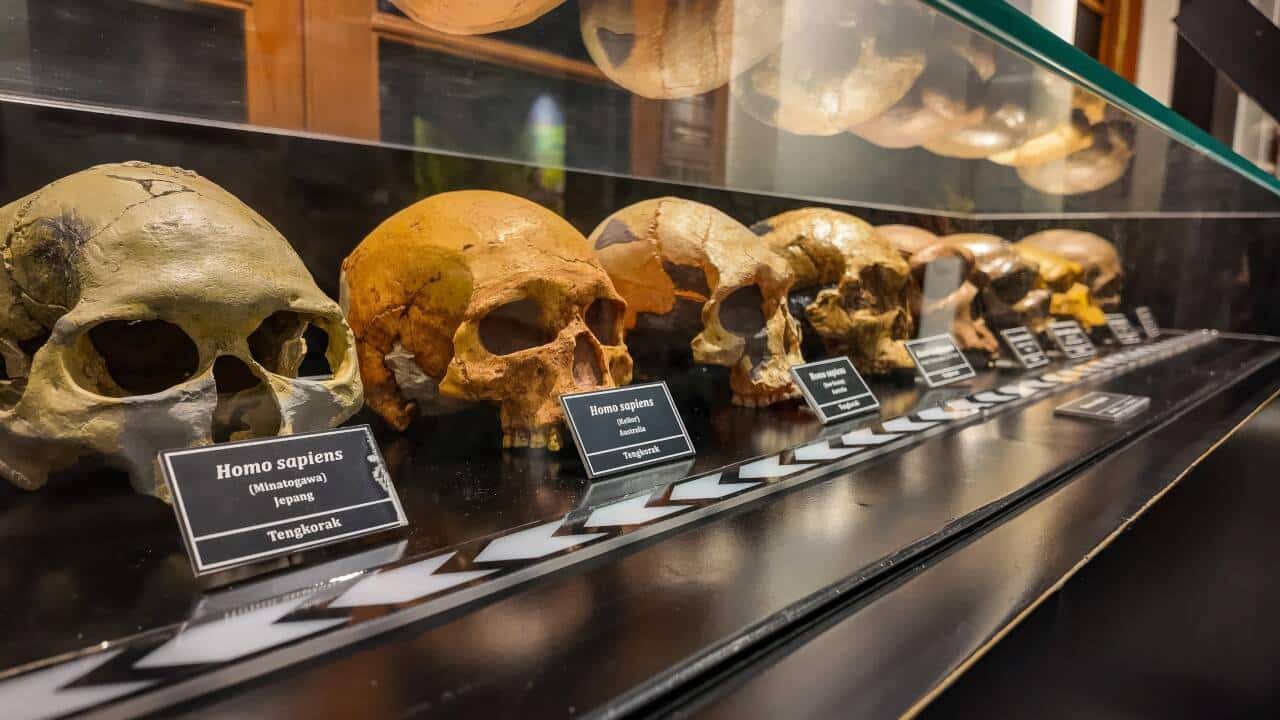
Other important discoveries in the Qafzeh 25 fossil
In addition to mandibular trauma, researchers found the presence of cavities in Qafzeh 25, marking the first record of this type of dental alteration in fossils found in Qafzeh Cave. The research also showed that the body was buried shortly after death. This conclusion is reinforced by the absence of carnivore teeth marks, little prolonged exposure to the external environment and the lack of damage caused by roots, which would be expected in a body exposed for a longer period of time.





