
Samsung considers eliminating physical chip in the Galaxy S27 in a move that mirrors Apple’s decision

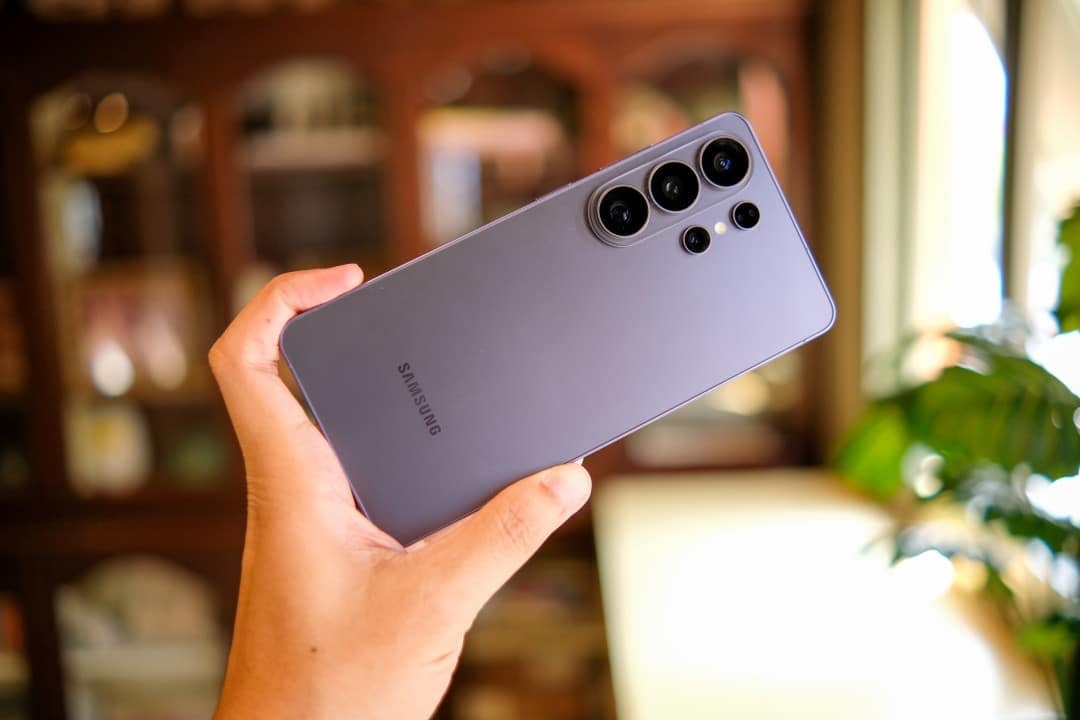
Samsung may adopt a significant change for the future Galaxy S27, following Apple’s path by removing support for physical carrier chip. This information, which emerged last weekend, indicates an important transformation in the company’s strategy, impacting the connectivity of upcoming cell phones.
Internal company sources indicate that this change will not be universal, due to regulatory challenges in certain nations where the transition to eSIM still faces significant obstacles with government bodies and local operators.
However, in the United States and North American markets, the expectation is that the Galaxy S27, S27 Plus, S27 Pro and S27 Ultra models will be launched exclusively with virtual chip technology (eSIM).

The adoption of eSIM represents a considerable advance in user security, adding an extra layer of protection against theft and theft of mobile devices, since the virtual chip is more difficult for third parties to deactivate.
Unlike smartphones with physical chips, where removing the SIM card is a common tactic to cut the connection and make tracking difficult, a device configured only with eSIM requires the owner’s permission for any modification. This ensures that the device remains connected and trackable by tools like “Samsung Find” as long as power is available.
Furthermore, removing the physical chip drawer can free up internal space in the devices, enabling an increase in the device’s battery capacity. This could be a response to the demand for more autonomy, a practical and direct benefit for the consumer.
The elimination of this physical opening in the device reduces vulnerabilities to the entry of moisture and small particles, promising a reinforcement of the IP68 certification for water and dust resistance, making the future Galaxy S27 even more robust.
So far, Samsung has not officially commented on the leak. However, the eSIM is on its way to consolidating itself as a global standard in the coming years and consumers’ expectations are that the “additional space” will be used to increase the capacity of cell phone batteries, perhaps exceeding 5,500 mAh.





