
Young South Koreans prefer iPhone despite Galaxy’s leadership in the local market

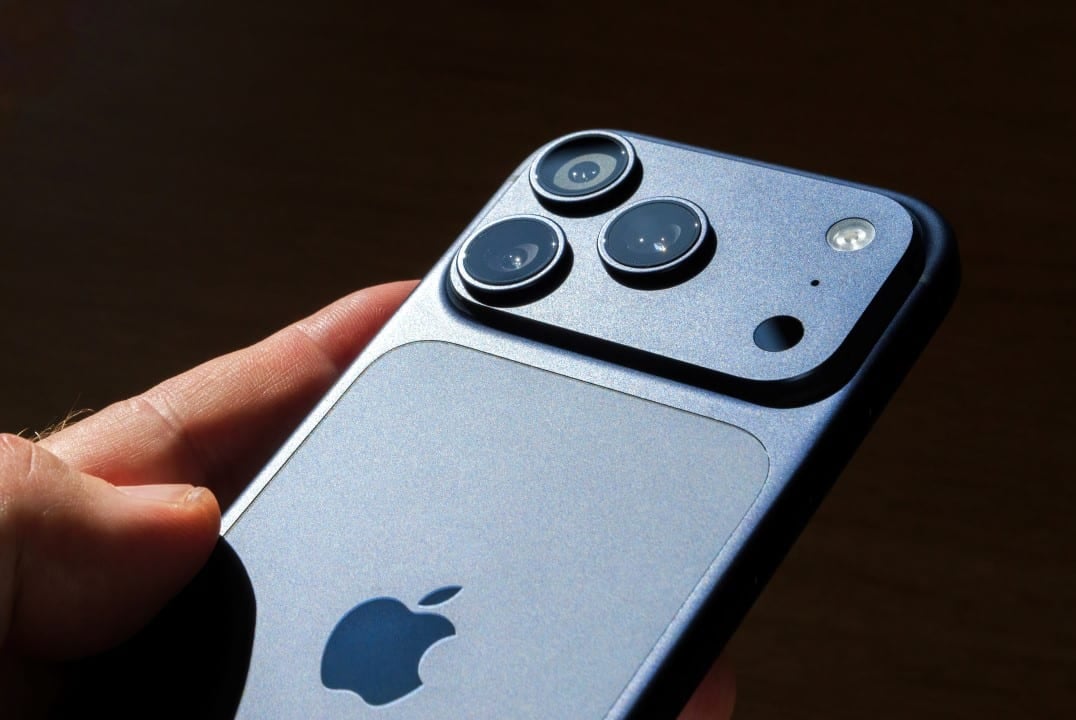
A recent survey conducted in South Korea revealed a complex dynamic in the smartphone sector, where, amid the unquestionable supremacy of Samsung and its Galaxy line, Apple has consolidated its presence among younger audiences with the iPhone. The study, whose results were released on Monday, July 13, by the renowned institute Gallup Korea, reveals a clear generational divergence in mobile device preferences within the country that is the birthplace of technology giant Samsung. This polarization raises important questions about consumer trends and brand loyalty in one of the most technologically advanced markets in the world.
The undisputed dominance of the Samsung Galaxy in Korean territory
Surveys carried out by Gallup Korea demonstrate the deep-rooted and overwhelming leadership of the Samsung Galaxy in the South Korean market. The device, a symbol of national pride and technological pillar, is chosen by 81% of participants, reinforcing its position as the nation’s favorite smartphone brand. In contrast, Apple’s iPhone holds a 19% share of the overall market, a modest number, but one that hides crucial demographic nuances. The survey covered a representative sample of 1,675 individuals aged 13 or over, residing in various locations, excluding only Jeju Island.
The prevalence of the Galaxy extends across both genders, with 84% of men and 78% of women opting for Samsung devices. These ratings not only highlight the South Korean population’s strong connection to their native brand, but also reflect a history of innovation and accessibility that has allowed Samsung to build an extremely loyal consumer base over the decades.
The attraction of the iPhone and the conquest of young consumers
Despite Samsung’s solid lead, the research illuminates a notable trend that could shape the market’s future: the growing appeal of iPhones among younger consumers. Specific data indicates that, in the 20s, 53% of respondents prefer an Apple device, a considerable feat in a market so dominated by Samsung. This is the only age group where the iPhone surpasses the Galaxy in popularity.
This youth preference is even more pronounced in specific segments, such as women in their 20s, where 67% of them report using an iPhone. Similarly, among teenagers (13 to 19 years old), 58% opt for the Apple device. This pattern suggests that the design, ecosystem and perception of status associated with the apple brand are resonating powerfully with new generations, who seek differentiation and belonging to a globalized culture.
The mature audience’s enduring loyalty to the Galaxy line
In contrast to the youth bias, the Samsung Galaxy maintains an almost unwavering loyalty among the more mature generations in South Korea. Research reveals a consistent growth in the usage rate of Galaxy smartphones as the age of users increases. For those interviewed in their 30s, 62% are Galaxy users, a number that jumps to 84% among those in their 40s.
This preference reaches almost unanimous levels in the highest age groups: an impressive 97% of users between 50 and 59 years old choose the Galaxy, reaching 100% among those aged 60 and over. This strong adherence by older generations is often attributed to their familiarity with the Android interface, the quality of Samsung’s local services and, in many cases, a strong sense of pride and support for national technology, developed by one of the largest companies in the country.
The generational impact in the battle for the technology market
The age divide in smartphone preferences in South Korea is not just a statistic; it reflects a cultural and values change between generations. While older people see the Galaxy as a symbol of confidence and local innovation, young people seem to be more influenced by global trends, design and the brand culture that Apple has managed to build. This scenario represents a complex challenge for Samsung, which needs to balance maintaining the loyalty of its existing base with the urgent need to attract new users among younger age groups.
The clash between these two technological powers in a market as strategic as the South Korean one serves as a microcosm for observing global trends. The choices of today’s young people are the consumer habits of tomorrow, and a brand’s inability to capture that attention can have significant implications for its long-term position, not just in Korea, but in emerging and developed markets around the world. South Korea, being a hub of innovation, often prefigures global market movements.
Analysis of the distribution of smartphone use by age
To illustrate the segmentation of preferences, the survey data can be observed in detail:
- Galaxy device membership:
- 30 year olds: 62%
- 40 year olds: 84%
- 50 year olds: 97%
- Over 60 years old: 100%
- Adherence to iPhone devices:
- Between 13 and 19 years old (teenagers): 58%
- Between 20 and 29 years old: 53%
- Women in their 20s: 67%
These numbers paint a clear picture of how different factors – from brand appeal to operating system familiarity – influence purchasing decisions at different stages of life. The competition between Samsung and Apple, therefore, transcends the mere technological dispute, becoming a battle for identity and generational belonging.
Future prospects and challenges for Samsung and Apple
South Korea, as a key market and scene of intense competition, offers valuable lessons for both companies. For Samsung, the priority will be to reverse the iPhone preference trend among young people, perhaps investing in bolder design, features focused on social networks and customizable experiences that captivate this demanding audience. The company may need to reevaluate its marketing strategies, seeking greater identification with the contemporary lifestyle of young people.
On the other hand, Apple faces the challenge of expanding its penetration beyond the youth niche, seeking to attract consumers from other age groups who still demonstrate strong loyalty to the Galaxy. This could involve more flexible pricing strategies, a greater focus on local services, or partnerships that make the Apple ecosystem more accessible and relevant to a broader audience. The ability of both giants to adapt to these dynamics will define their trajectories in the near future.





