
One UI 9 leak shows Galaxy Tab S12 Ultra with camera in hole in screen

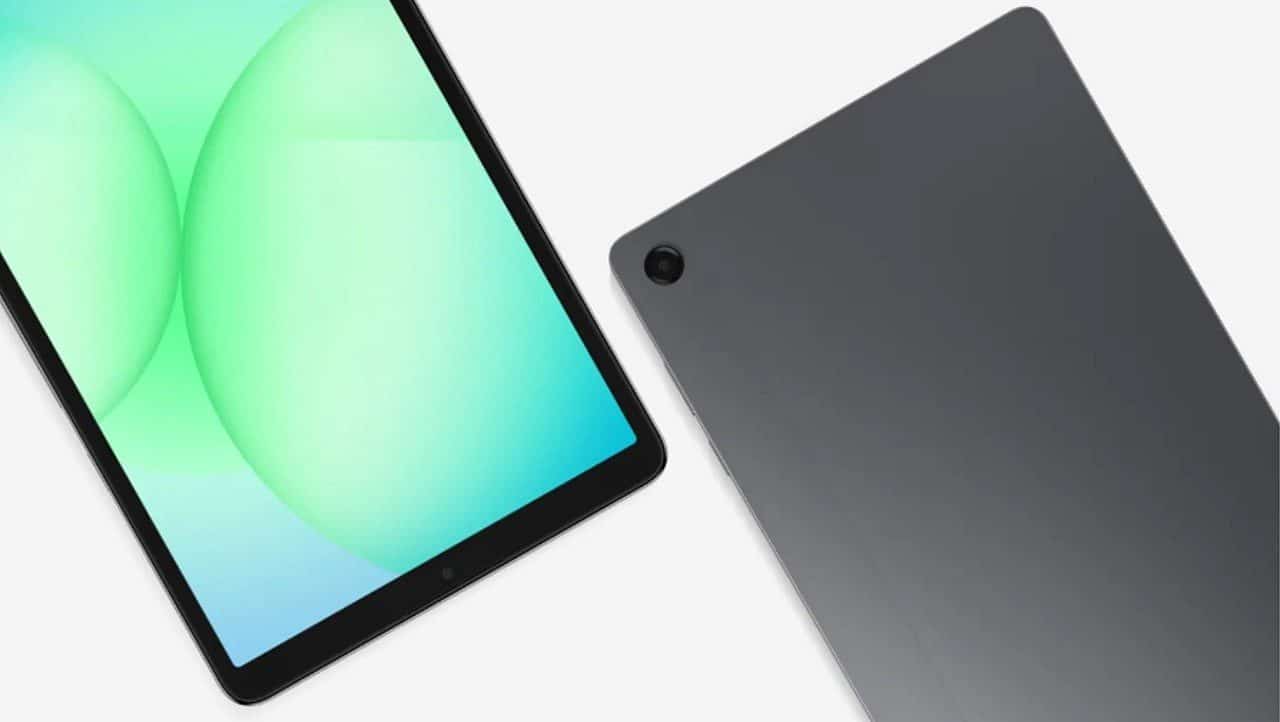
Recent codes discovered in the testing phase of the Android 17 operating system point to a drastic visual transformation in the South Korean manufacturer’s upcoming large-screen devices. Internal graphical interface files indicate that the future Galaxy Tab S12 Ultra will leave behind the darkened top cutout, popularly known as the notch. The company must implement a discreet circular hole to house the front lens, bringing the equipment’s appearance closer to the aesthetic standard already used in the company’s high-end cell phones. This modification meets a long-standing consumer demand for more efficient frontal use, eliminating the black bar that often interferes with viewing films in panoramic format.
Visual changes bring tablets closer to the identity of smartphones
For many years, the manufacturer chose to maintain thick edges or an obvious physical cutout to accommodate the selfie photographic sensors on its larger screens. This engineering choice ended up creating a clear visual distinction between product lines from the same brand, in addition to generating criticism from users who prefer a cleaner design. With the likely adoption of the centralized hole, the proportion between the luminous panel and the aluminum casing will reach unprecedented levels in the mobile device market. Removing the notch requires meticulous work to miniaturize the camera components, ensuring that the quality of video calls is not compromised by the reduction in available physical space.
The strongest evidence of this structural change was found in screen transition graphics within the software under development. Unlike the generic illustrative images applied in previous version manuals, the new system files show equipment that adapts the positioning of the hole as the user rotates the device. This dynamic fluidity proves that the engineering team is preparing the virtual ground for physical hardware that is already in advanced stages of prototyping. The animation reveals that the software can quickly relocate status bar icons, preventing the camera hole from covering important information such as the clock or battery indicator.
Integration of artificial intelligence and new features in the ecosystem
In addition to the physical changes, the update to the new version of the graphical interface will bring a robust package of tools based on machine learning. The expectation is that the ecosystem of native applications will receive advanced image editing and more accurate simultaneous translation functions, processed directly on the device’s chip without the need for a constant internet connection. Gaining performance in window transition animations is also a central focus of the software development team, seeking to deliver choke-free navigation even when multiple heavy applications are open on the same screen.
The manufacturer’s strategy involves creating invisible and instantaneous communication between smart watches, headphones and the new tablet. By unifying the physical design language and improving system stability, the end user experiences a natural transition when switching between the pocket phone and the massive 14.6-inch screen. Experts in the technology sector point out that this visual and functional standardization is essential to retain customers in a highly competitive market, where the fluidity of the ecosystem often weighs more in the purchasing decision than isolated technical specifications.
The impact of the new processing architecture on daily performance
A detail that draws attention behind the scenes in the industry is the choice of the component responsible for dictating the equipment’s processing rhythm. Historically, the South Korean brand’s most expensive line of tablets used chips from the Snapdragon line, but preliminary information points to the adoption of the MediaTek Dimensity 9500. This change of supplier represents a milestone in the semiconductor market, showing that MediaTek has managed to achieve the rigorous standards of energy efficiency and thermal control required for high-cost ultra-thin devices. The transition indicates a search for greater control over production costs and diversification in the supply chain.
The new processor will work in conjunction with generous volatile memory options, ensuring that the user will be able to keep dozens of browser tabs and productivity applications open simultaneously. For professionals who use the equipment for high-resolution video editing, 3D modeling or complex digital illustration, this hardware combination promises to drastically reduce rendering time. The ultra-high capacity battery will also benefit from the chip’s modern lithography, extending usage time away from sockets and optimizing power consumption during background tasks.
Expected configurations for the next high-end release
Although the manufacturer keeps the official schedule under strict secrecy, market analysts have already compiled a robust list with the device’s likely technical specifications. The leaked data outlines the profile of a device aimed at extreme productivity, designed to act as a viable replacement for traditional portable computers in a variety of corporate and creative scenarios. The inclusion of fundamental accessories in the original packaging continues to be an important differentiator compared to direct competitors. Below are the main features expected for the device that should hit shelves in 2026:
- 14.6-inch touch panel with QHD+ Dynamic AMOLED 2X technology.
- State-of-the-art MediaTek Dimensity 9500 flagship processor.
- Working memory options divided between 12 GB and 16 GB.
- Internal storage space ranging from 256 GB to 1 TB.
- Power cell with typical capacity of 11,600 mAh.
- Support for quick charge replacement with 45 W power.
- Single front photographic lens with 12 MP resolution.
- Rear optical assembly consisting of a 13 MP main sensor and an 8 MP wide-angle auxiliary sensor.
- Immersive sound system consisting of four independent audio outputs.
- S Pen digitizer included in the factory box.
The technology market is waiting for presentation events dedicated exclusively to large-screen equipment, separating the spotlight from the traditional launches of foldable cell phones that usually occur in the middle of the year. Confirmation of all internal components and the new screen format will depend on upcoming certifications from international regulatory bodies, such as the American telecommunications agency and its Asian equivalents. Until its official arrival in stores, the device will continue to be the target of detailed analysis by developers who explore the hidden codes of system updates in search of clues about the future of mobile computing.





