Discovery of new species of dinosaur reveals unprecedented long neck in Thailand


Global paleontology received a notable boost with the recent identification of a colossal creature that inhabited the Earth countless millennia ago. An unprecedented species of dinosaur, characterized by its extremely elongated neck, has been revealed in Asian territory, bringing to light crucial ecological information about large prehistoric animals and expanding the understanding of the Jurassic period.
Method of identifying new dinosaur species in Thailand
The remarkable discovery of this immense prehistoric being originated from a single vertebra, recovered during deep excavations. Published in the journal Scientific Reports, the study describes in detail the animal, officially named Uragasaurus kalasinensis, outlining with great precision its evolutionary lineage previously unknown on the Asian continent.
The detailed fieldwork focused on the well-known Phu Kradung Formation, located in the northeast region of the country. The morphological analysis carried out demonstrated that the comparative anatomy provided robust and sufficient data to validate the taxon, following strict international standards for its definitive cataloguing.
- Excavation: Recovery of an isolated bone in Thailand.
- Analysis: Computed tomography of internal structures.
- Publication: Publication of findings in a scientific journal.
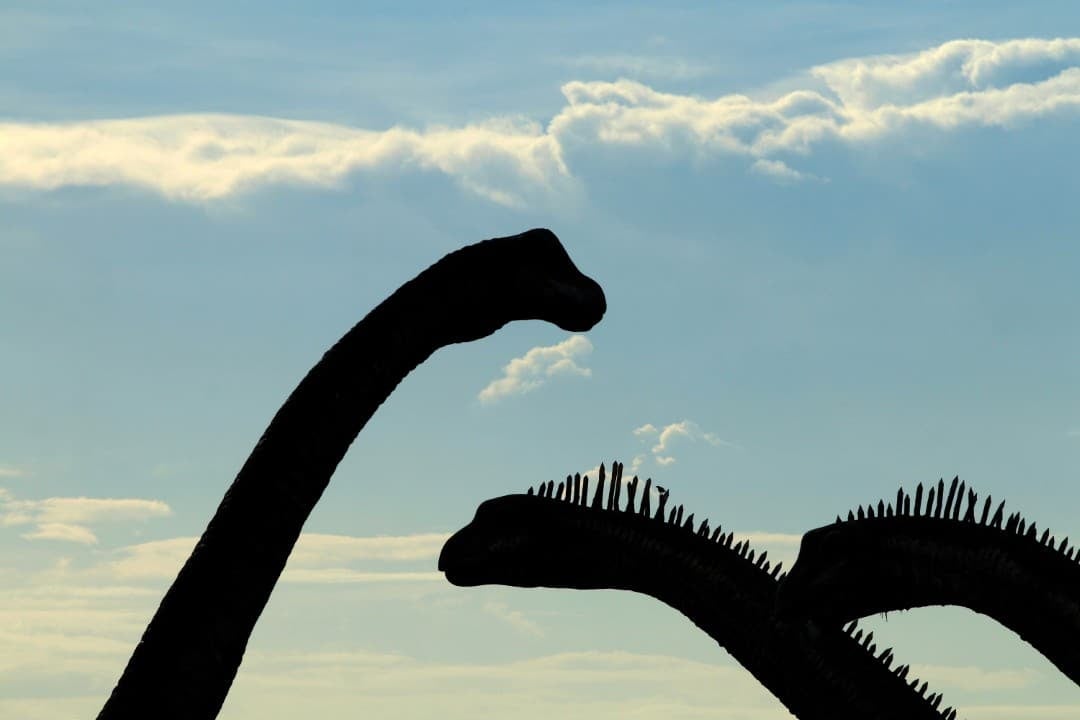
Analysis of vertebra reveals unusual features of the dinosaur
The main fossil element consists of a single anterior dorsal vertebra, officially registered under the code PRC 460. This bone exhibits a unique morphology, presenting significant divergences in relation to previous discoveries made in South Asia and maintaining an excellent level of conservation.
The most prominent diagnostic feature observed is the Y-shaped configuration found in the superior bony processes. This anatomical particularity confirmed a completely new taxon for current scientific literature, indicating complex biomechanical modifications and adaptations directly associated with the support of the extensive neck.
- Anterior dorsal vertebra cataloged under registration PRC 460.
- Morphological configuration that presents a well-defined Y shape.
- Pneumatized internal structure with notable cavities.
- Fossil belonging to a legitimate representative of the Mamenchisauridae.
Implications of the discovery for the study of sauropods
Validation of this unprecedented taxon has profound consequences for understanding the global geographic distribution of long-necked sauropods. The confirmation of their existence on Thai soil considerably expands the ecological and biogeographical dispersion map of this peculiar group that lived in the Jurassic.
This valuable find represents the first named mamenchisaurid in the country, giving a strong boost to Thai paleontology at the regional level. The latest data opens up excellent opportunities for investigations into the migration of faunas in ancient sedimentary layers of continental deposits, offering a more complete picture of prehistoric life in Asia.
- Taxonomic family:Mamenchisauridae (sauropods)
- Geological location:Phu Kradung Formation, Thailand
- Chronological era:Late Jurassic Mesozoic
Uncovering the internal anatomy of the fossil with tomography
To unravel the mysteries hidden in the rock without causing damage to the fragile specimen, the team of researchers employed advanced three-dimensional digital scanning technology. A modern computed tomography technique clearly revealed a complex network of hollow chambers preserved within the fossil.
This sophisticated internal pneumatic structure had the function of relieving the total body weight of large herbivorous sauropods. Without this structural support in the spine, these animals would have faced immense mechanical difficulties in efficient locomotion and the daily balance of their bodies.
Perspectives for future paleontological research in Thailand
The impressive discovery of Uragasaurus kalasinensis immediately stimulates new explorations, focusing on the search for more intact and articulated skeletons. Mapping the conservation area remains a top priority for the global scientific community in order to reveal more ancient secrets.
With the continued advancement of modern excavation methods, the expectation is to find new fossils that can detail the complex evolution of dinosaurs. Government and institutional support will be essential to deepen understanding of the rich geological history found in Southeast Asia.