

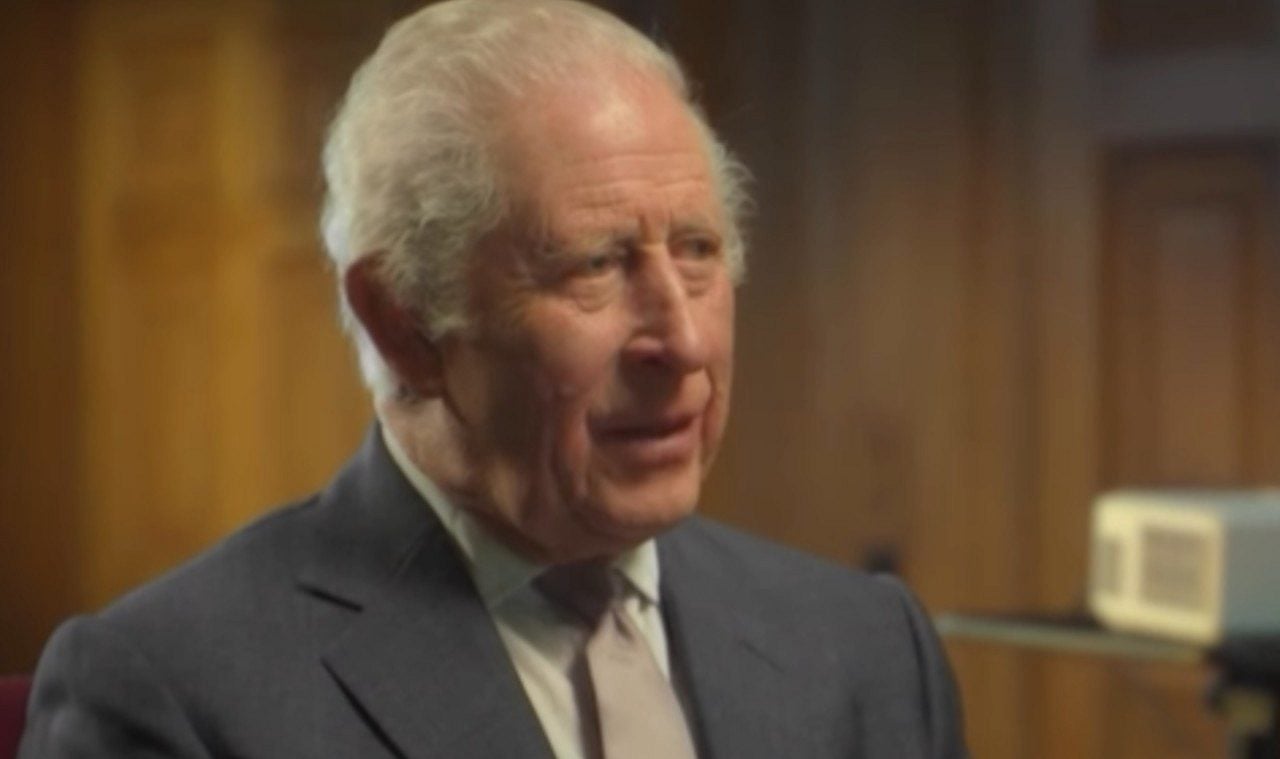
Even with the imminent completion of a massive £369 million restoration, King Charles III has decided he will not make Buckingham Palace his home. This choice breaks with a tradition established since the reign of Queen Victoria, in the 19th century, and its main objective is to open the doors of the historic London building to a greater number of subjects and tourists. Crown representatives confirmed that the monarch and the queen consort, Camilla, will continue to use the space only for official engagements, preserving the place as the bureaucratic and ceremonial heart of the empire.
For their private life, the couple chose to remain permanently at Clarence House, a neighboring property that has housed Charles for more than two decades, since the death of his grandmother, the Queen Mother, in 2002. The royal’s financial manager, James Chalmers, was keen to emphasize that the iconic building will not lose its importance. According to him, the building remains the central base of the monarchy and represents the greatest architectural heritage of the British nation.

Billion-dollar works guarantee the structural safety of the historic building
Despite all the pomp, the palace’s infrastructure was on the verge of collapse. To avoid the risk of fire and flooding caused by obsolete materials, the royal administration began a ten-year schedule of heavy works in 2017. The project focused on replacing all electrical wiring, water pipes and heating systems, ensuring the viability of the complex for the next five decades, with full delivery scheduled for next year.
Originally erected in the 1820s, Buckingham Palace has been home to the United Kingdom’s monarchs for generations. The immense structure has 775 rooms, concentrating all the royal administrative machinery, in addition to serving as the main hall for diplomatic banquets offered to world leaders. The grandeur of the building also serves as the perfect backdrop for The Mall, the extensive tree-lined road that hosts military parades and official carriages.
The absence of permanent residents in the main building will facilitate the expansion of tourist visitation areas. Chalmers pointed out that the logistical change will make it possible to organize a greater number of exhibitions and guided tours, increasing the current number of 700,000 tourists who cross the gates annually to visit the crown’s state halls and art galleries.
Crown strategy to clean up image after recent scandals
Confirmation regarding the residence took place this Thursday (25), together with the unprecedented publication of the sovereign’s personal financial statement. The data opening movement comes at a critical moment, when the Windsor dynasty is trying to rebuild its reputation in public opinion. The family has faced a severe image crisis recently due to the involvement of former Prince Andrew, now known civilly as Andrew Mountbatten-Windsor, with the abuse scheme led by the late tycoon Jeffrey Epstein.
All the negative publicity generated by Mountbatten-Windsor’s actions ended up overshadowing the current king’s attempts to implement more modern management. The monarch has been fighting to prove that the crown can adapt to the integrity demands of the 21st century. The country’s legislation does not oblige the king to account for his personal finances, guaranteeing him the same right to fiscal secrecy as any ordinary citizen.
The voluntary breach of this privacy works as a calculated maneuver to distance the institution’s image from criminal scandals. For academic Craig Prescott, a constitutional law scholar linked to the University of London, the attitude strengthens the idea that the monarchy needs to act as a modern public body, guided by the clarity of its actions. The expert assesses that, by adopting a stance of total accountability, royal leaders are able to create an even more evident moral distance.
Release of tax data details monarchs’ private wealth
In an unprecedented gesture for a British head of state, Charles revealed that he had transferred 12.9 million pounds (approximately US$16.1 million) to the public coffers in taxes on income and capital gains in the 2024-2025 cycle. This amount represents a significant increase, exceeding the £11.7 million collected in the previous period. During his years as heir, Charles already used to open his financial figures, but this marks the first time that he has exposed his statement occupying the maximum throne, a position he assumed after the death of his mother at the end of 2022.
The payment of taxes by the king focuses exclusively on his private fortune and the profits obtained from the sale of assets. The exposure of these values allows citizens to understand exactly what the monarchs’ private assets are, separating personal money from the State’s inalienable assets. The king’s main taxable sources of income include:
- Income generated by Balmoral Castle, a historic rural property located in Scottish lands.
- Profits from the Sandringham estate, situated on the east coast of England.
- Capital gains resulting from the sale of assets and private investments accumulated over the years.
Following in his father’s footsteps, the current Prince of Wales, William, also made public his settlement with the British tax authorities. The direct heir’s team confirmed the payment of £7.76 million in taxes for the 2024-2025 cycle, registering a slight drop compared to the £8.34 million declared in the previous year.
Experts demand a new purpose for unoccupied space
The front courtyard and famous balcony of Buckingham Palace represent the main attraction




