
Novo Nordisk wants to include Wegovy in the SUS after starting a dispute with pharmacy chains

The Danish pharmaceutical company Novo Nordisk has outlined as one of its main strategic objectives the incorporation of Wegovy, a medicine aimed at treating obesity, into the Unified Health System (SUS). The move to expand access to treatment occurs in parallel to a period of commercial friction and tensions with large pharmacy chains in Brazil due to profit margins and distribution policies.
Dissatisfaction with large drugstore chains
Tensions between the manufacturer of Ozempic and large Brazilian pharmacy chains have intensified in recent months. The main reason for the friction is the excessively tight profit margin that Novo Nordisk passes on to pharmaceutical retailers when selling high-demand medicines.
Executives in the sector complain that the sales model imposed by the multinational reduces the profitability of stores. Drugstore chains argue that they bear high operational costs of cold storage, strict logistics for biological products and financial card fees, receiving in return a financial return considered insufficient to sustain the sales operation of these drugs.
The financial challenge of taking Wegovy to the SUS
To enable Wegovy to enter the public health network, Novo Nordisk will need to undergo a rigorous evaluation process by the National Commission for the Incorporation of Technologies into the SUS (Conitec). The main obstacle is the budgetary impact for the Brazilian government, which requires in-depth price discount negotiations for large-scale purchases.
- Wegovy’s average retail price:from R$2,200 to R$2,400 per month, depending on the dosage.
- Estimated eligible population:more than 20 million Brazilians with moderate to severe obesity.
- Tax impact:potential spending of billions of reais annually for the Ministry of Health, if there is no agreement on a spending cap or substantial discount.
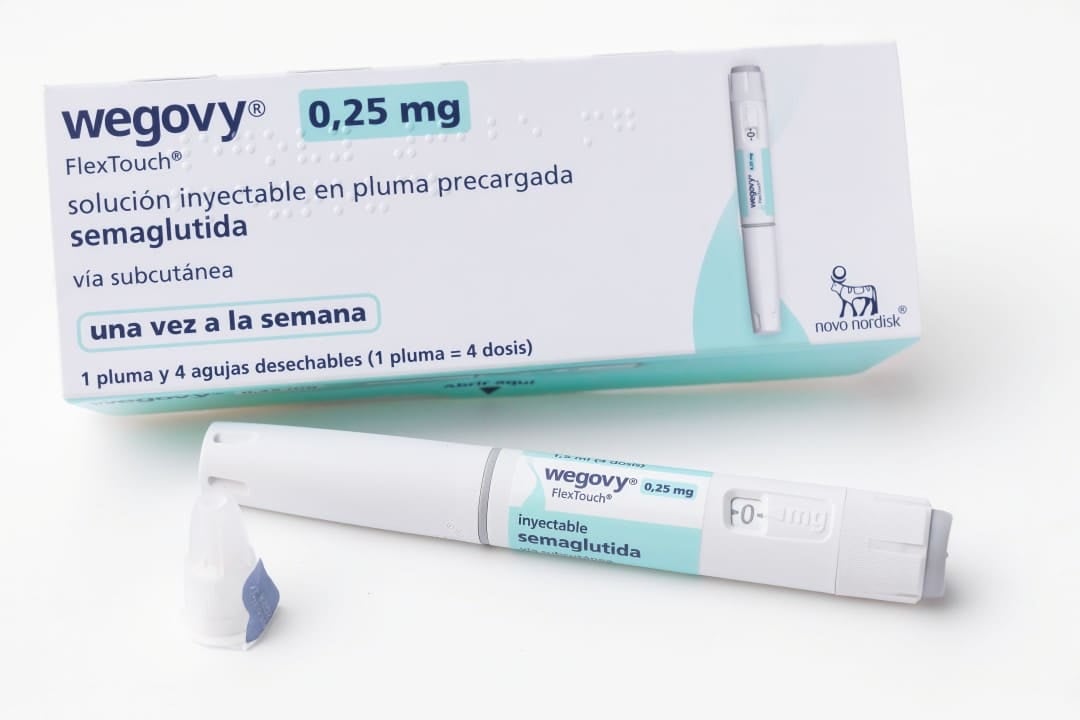
Long-term strategy and public health
The inclusion of the medicine in the SUS is seen by Novo Nordisk as essential to consolidate the treatment of a chronic disease that affects around 22% of the Brazilian adult population. The company is betting on the thesis that treating obesity in the public network generates long-term savings for the State, as it reduces hospitalizations, surgeries and ongoing treatments for serious associated complications, such as type 2 diabetes, heart attacks and strokes.





