
New variable aperture camera technology revealed in iPhone 18 Pro Max leak

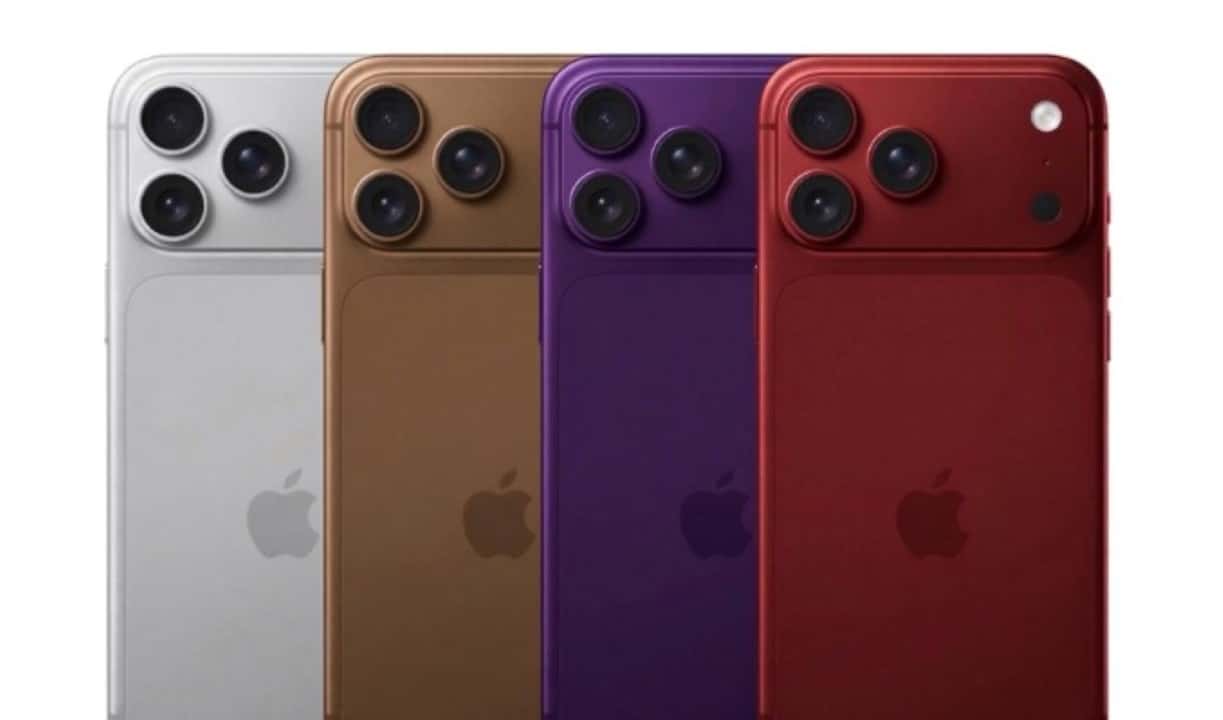
Details about the future iPhone 18 Pro Max came to light last Friday, July 17, 2026, with the release of an internal diagnostic log. The main revelation points to a main camera with an unprecedented variable aperture mechanism, promising significant changes in mobile photography for Apple’s next high-end device. This leak comes within the context of a widespread data security breach at Tata Electronics, reigniting the debate on the protection of confidential information.
What the leak indicates about the new iPhone’s cameras
Internal documents confirm that Apple’s highly anticipated high-end smartphone will be equipped with a main camera with a variable aperture. This component will be the Sony IMX905 sensor, marking a replacement for the model used in the current iPhone 17 Pro Max. The documentation indicates that the pixel size will remain at 1.22 μm. This suggests that the focus of the hardware upgrade is focused on implementing the variable aperture mechanism, rather than a physical increase in the sensor itself.
Understand variable opening technology and its benefits
Variable aperture is an innovation that allows the camera to adjust the amount of light that enters the sensor. In practice, this offers users deeper control over the depth of field of photos and superior performance in different lighting conditions. For example, a larger aperture is ideal for low-light environments and to create a “bokeh” effect (blurred background), while a smaller aperture improves sharpness in well-lit landscapes and scenes. This capability could bring the iPhone photography experience closer to that of professional cameras, offering greater creative versatility.
Camera Components: What Changes and What Stays the Same
Despite the significant change in the main sensor, the rest of the iPhone 18 Pro Max’s photographic set tends to maintain the settings of its predecessor. The leaked documents indicate the presence of the Sony IMX973 sensor for the telephoto lens, the IMX972 for the ultrawide and the IMX591 for the LiDAR receiver. For selfies, the front camera will feature the IMX914 sensor. A highlight of the telephoto lens is the gimbal-style stabilization, which promises greater fluidity and precision in videos and photos, a valuable feature for content creators.
Design and cost impacts of Apple’s next launch
The information that emerges indicates that the implementation of the new main camera system may result in some structural changes to the device. The iPhone 18 Pro line, for example, may become slightly thicker to accommodate advanced technology. Furthermore, the leak points to a considerable increase in battery capacity, which is good news for the device’s autonomy. However, it is likely that these improvements will be accompanied by a higher price for the end consumer, directly impacting the market value of the device.
Apple’s battle against leaks: the role of Tata Electronics
The Cupertino giant has faced a constant challenge with the unauthorized disclosure of information about its future products. This leak, specifically, is part of a larger data security incident that involved Tata Electronics, one of its strategic partners in component production. Apple has not issued official comments on the revelations, maintaining its stance of actively combating the dissemination of any stolen documentation, seeking to preserve the mystery and expectation surrounding its releases until the official announcement.
Features expected for the iPhone 18 Pro Max
Based on the latest data, the following specifications are expected for the upcoming iPhone 18 Pro Max:
- 7-inch Super Retina XDR OLED display with 120Hz refresh rate
- Apple A20 Pro processor
- Smaller Dynamic Island with Face ID under the screen
- Apple C2 modem with 5G satellite connection
- Up to 1TB of internal storage
- 12 GB of RAM memory
- 18 MP front camera with autofocus
- Triple rear camera
- IP68 certified against water and dust
- 5,567 mAh battery with up to 25W recharge
- iOS 27 operating system
* 48 MP main sensor with variable aperture and Sensor-Shift stabilization
* Periscope lens with 48 MP sensor
* Ultrawide lens with 48 MP sensor





