
27-year-old pilot dies in oil ritual after first solo flight in Ponta Grossa

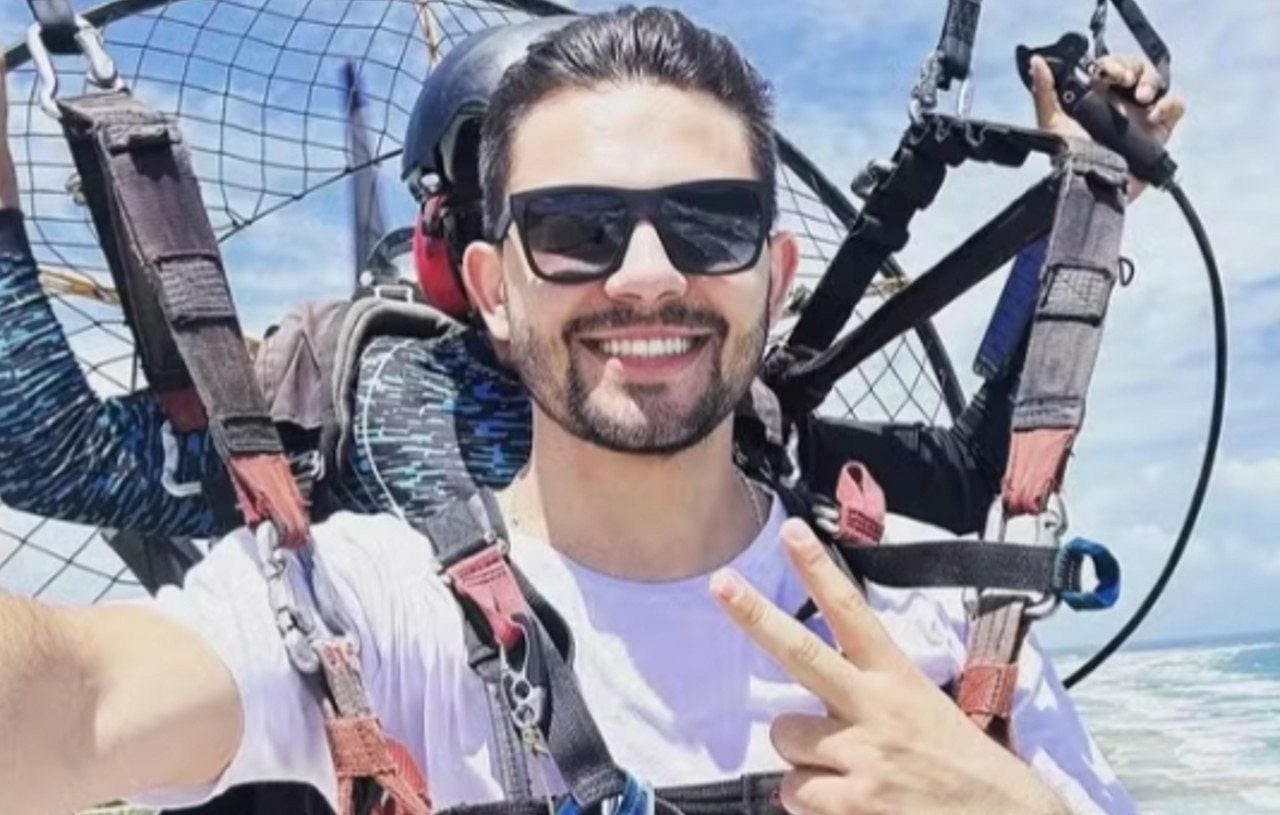
A tragic incident marked the celebration of a pilot’s first solo flight in Ponta Grossa, Paraná, on the night of last Thursday, July 18th. Gustavo Henrique Lara, aged 27, died after suffering a serious allergic reaction to an oil bath, part of a celebratory ritual at the aviation school. Family and friends, who had been invited by the young man himself, witnessed what happened and tried to help him immediately.
Details of the emergency during the celebration
Witnesses reported to the police that Gustavo began to feel dizzy right after the oil bath. Then, the situation quickly worsened, with the pilot experiencing extreme difficulty breathing. Those present acted promptly, placing him on the floor and trying to revive him, while shouting for help and calling the Mobile Emergency Care Service (Samu).
Samu teams arrived at the location, which has an aeromedical base at Ponta Grossa airport, and provided first aid. According to paramedics, Gustavo suffered an anaphylactic reaction, the most severe and rapid form of allergy. He had a seizure and multiple cardiorespiratory arrests; the first two were reversed, but the young man could not resist the third.
The “oil bath” ritual and the initial police response
Deputy Lucas Petry, responsible for the investigation, confirmed that the substance used in the ritual was aircraft engine oil. An instructor from the school was the one who poured the liquid onto the pilot as part of the celebration. The instructor spontaneously presented himself to the police station, where he was arrested on suspicion of manslaughter, characterized by the lack of intention to kill. After being interviewed, he was released on bail in the amount of R$3,000.
He confirmed to police officers that bathing graduates is traditionally carried out from the neck down. In a statement, the Civil Aviation Instruction Center (CIAC) of the Ponta Grossa Aeroclube deeply regretted the death of its student. The institution declared that, out of respect for Gustavo’s memory and his family, in addition to awaiting the work of the authorities, it will not make additional comments until the investigations are fully concluded.
Signs of anaphylaxis and what to do in an emergency
The Brazilian Association of Allergy and Immunology (Asbai) warns that anaphylaxis should be considered in anyone who presents sudden symptoms after exposure to a possible allergen. Recognizing the signs is crucial for quick care.
Symptoms may include:
- Respiratory symptoms:Difficulty breathing, wheezing or tightness in the chest, hoarseness, persistent cough and feeling of a lump in the throat.
- Symptoms on the skin and mucous membranes:Itchy red patches, generalized redness, swelling of the lips, eyes, face, tongue or throat.
- Cardiovascular symptoms:Dizziness, weakness, fainting, low blood pressure and palpitations.
- Gastrointestinal symptoms:Severe abdominal pain, nausea, repeated vomiting and diarrhea.
When anaphylaxis is suspected, three steps are essential:
1. Apply intramuscular adrenaline immediately, if available, to the outside of the thigh, even over clothing.
2. Call Samu (192) or Firefighters (193), even if the symptoms seem to improve, as they may return.
3. Position the person correctly to avoid complications: lying on their back with their legs elevated. If there is severe shortness of breath, sit with your torso elevated. If you lose consciousness, position yourself on your side. Pregnant women should lie on their left side.
Deepening the investigation into the pilot’s death
The Civil Police emphasized that initial investigations did not identify any indication that there was any intention to cause the victim’s death. The investigation will now focus on elucidating all the circumstances of the case. Among the points that will be checked are the exact composition of the substance used in the ritual, the amount applied to Gustavo’s body, the specific areas that were affected by the oil and the direct relationship between the commemoration procedure and the death.
To confirm the cause of death and obtain more clarity about the event, detailed examinations were requested. The experts will carry out necroscopic, toxicological and chemical-expertise analyses. In addition, the police must examine images, relevant documents and collect new statements from witnesses, other participants in the ritual and the victim’s family. The expectation is that these results will provide crucial information for the conclusion of the investigation.





