
Complete analysis of the Xiaomi 17T Pro and OnePlus 15 reveals which one stands out for each profile

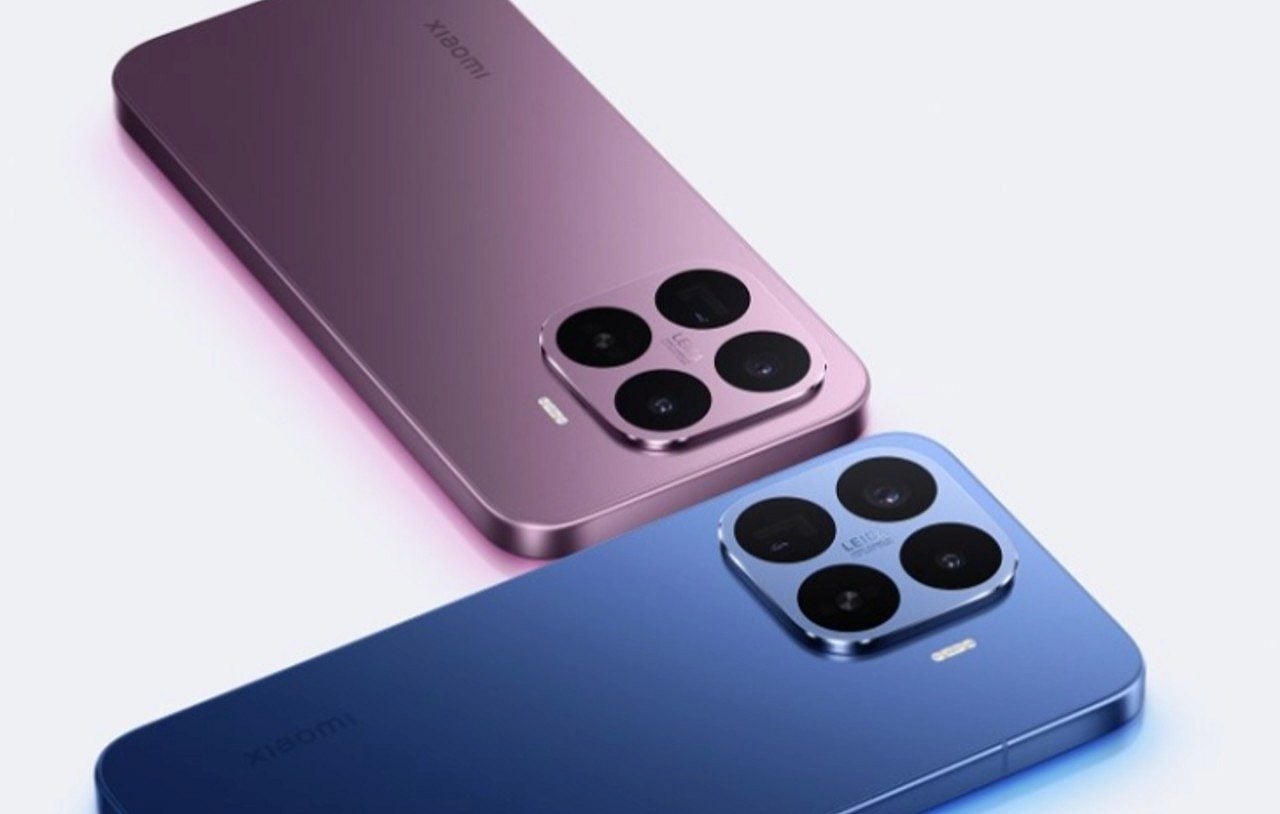
The decision to purchase a new high-end cell phone can be complex, especially when giants like Xiaomi and OnePlus launch devices with advanced configurations. The technological scene gains another chapter with the Xiaomi 17T Pro and the OnePlus 15, vying for the attention of consumers looking for cutting-edge performance, sophisticated cameras and long-lasting batteries. Both models are positioned in the premium segment, offering high-level features that promise an exceptional user experience, but with crucial differences that can influence the final choice.
Construction and screen: durability and visual quality
When analyzing the construction, both devices boast a premium design with the combination of glass on the front and back, and aluminum structures. The Xiaomi 17T Pro is equipped with Gorilla Glass 7i protection and IP68 certification, guaranteeing resistance against dust and immersion in water. On the other hand, the OnePlus 15 raises the bar with Victus 2 and IP68/IP69 certification, offering superior durability and greater protection against high-pressure water jets, which is a differentiator for those looking for a more robust device on a daily basis.
When it comes to visual quality, the Xiaomi 17T Pro features a 6.83-inch AMOLED screen with a 144Hz refresh rate, Dolby Vision support and an impressive maximum brightness of 3,500 nits. This specification guarantees vibrant colors, excellent contrast and optimized visibility even in direct sunlight. The OnePlus 15 counterattacks with a 6.78-inch LTPO AMOLED panel, offering an even higher refresh rate of 165Hz and adaptive refresh technology, which provides greater fluidity in games and browsing, in addition to being more efficient in energy consumption.
Power and performance: which processor delivers more agility?
At the heart of each smartphone lies its processor, dictating much of the user experience in terms of speed and multitasking capacity. The Xiaomi 17T Pro is powered by the MediaTek Dimensity 9500, accompanied by the Mali-G1 Ultra MC12 GPU. This configuration provides robust performance for most applications and games, while maintaining the fluidity necessary for demanding daily use.
In contrast, the OnePlus 15 stands out with the powerful Snapdragon 8 Elite Gen 5 and the Adreno 840 GPU, a combination that historically offers superior optimization for games and applications that demand intense graphics processing. Both models offer up to 16GB of RAM and 1TB of UFS 4.1 storage, resulting in identical, fast read and write speeds, ensuring that opening apps and transferring files are lag-free.
Camera systems: Leica photography or OnePlus versatility?
For photography enthusiasts, the choice between the two models may depend on priority. The Xiaomi 17T Pro bets heavily on its partnership with Leica, offering a 50MP main camera with a larger 1/1.31-inch sensor and lenses adjusted by the renowned brand. Its 50MP periscope telephoto camera with 5x optical zoom lets you capture details at long distances with precision.
The OnePlus 15, in turn, features a 50MP main camera with a 1/1.56-inch sensor. Its strong point is the 50MP ultrawide camera, which offers greater resolution and versatility for landscape and large group photos. The OnePlus 15’s front camera also stands out, with 32MP and autofocus, as well as 4K recording at 60fps, ideal for high-quality vlogs and video calls. Both cell phones are capable of recording videos in 8K and 4K at 120fps, with support for HDR10+ on Xiaomi and Dolby Vision on OnePlus, guaranteeing cinematic results.
Battery and charging: extended autonomy and fast recharging
Battery life and charging speed are critical factors for many users. The Xiaomi 17T Pro has a 7,000mAh battery, which promises substantial autonomy for a full day of intense use. It supports 100W wired charging, 50W wireless charging, and 22.5W wired reverse charging.
The OnePlus 15 slightly exceeds the capacity with 7,300mAh, guaranteeing even more time away from the socket. It offers 120W wired charging, 50W wireless charging, and adds reverse wireless charging, which provides greater flexibility for recharging other devices. The difference in charging speed can be a deciding factor for those who need a full recharge in less time.
Additional features and price: details that make the difference
In addition to the main specifications, details such as the type of USB port, audio and software experience contribute to the final decision. The Xiaomi 17T Pro comes with a USB Type-C 2.0 port and offers stereo audio with Dolby Atmos and Hi-Res Audio support, providing an immersive sound experience. Its software, HyperOS 3, runs on top of Android 16.
The OnePlus 15 incorporates a USB Type-C 3.2 port, which offers faster data transfer speeds. It also has stereo audio and Hi-Res Audio, although without Dolby Atmos. The software experience is managed by OxygenOS 16, based on Android 16, known for its clean and optimized interface. In terms of price, the Xiaomi 17T Pro is valued at approximately ₹75,000, while the OnePlus 15 costs around ₹80,000, making the Xiaomi a more value-for-money option in terms of the features on offer.
Comparative technical sheet of premium models
To make it easier to see the main differences, check out a summary of the specifications:
- Processor:
- * Xiaomi 17T Pro: MediaTek Dimensity 9500
* OnePlus 15: Snapdragon 8 Elite Gen 5 (Winner in raw performance) - Screen:
- * Xiaomi 17T Pro: 6.83″ AMOLED, 144Hz, 3,500 nits (Higher maximum brightness)
* OnePlus 15: 6.78″ LTPO AMOLED, 165Hz, 1,800 nits HBM (LTPO technology and superior fluidity) - Battery:
- * Xiaomi 17T Pro: 7,000mAh
* OnePlus 15: 7,300mAh (Highest capacity) - Wired Charging:
- * Xiaomi 17T Pro: 100W
* OnePlus 15: 120W (Fastest) - Main camera:
- * Xiaomi 17T Pro: 50MP, 1/1.31″ sensor, Leica (Larger sensor and Leica optimization)
* OnePlus 15: 50MP, 1/1.56″ sensor - Telephoto camera:
- * Xiaomi 17T Pro: 50MP periscope, 5x optical zoom (Greater zoom range)
* OnePlus 15: 50MP periscope, 3.5x optical zoom - Ultrawide camera:
- * Xiaomi 17T Pro: 12MP
* OnePlus 15: 50MP (Highest resolution) - Durability:
- * Xiaomi 17T Pro: Gorilla Glass 7i, IP68
* OnePlus 15: Victus 2, IP68/IP69 (Higher resistance) - Software:
- * Xiaomi 17T Pro: Android 16, HyperOS 3
* OnePlus 15: Android 16, OxygenOS 16 (Cleaner experience)
In the end, the choice between the Xiaomi 17T Pro and the OnePlus 15 will depend on your priorities. The Xiaomi stands out for its Leica-optimized photography, intense screen brightness and a slightly more affordable price. OnePlus offers superior durability, more powerful raw performance, faster charging, a more fluid screen with LTPO and a leaner software experience. Both are excellent options, but they cater to different user profiles looking for the best in the premium smartphone segment.





