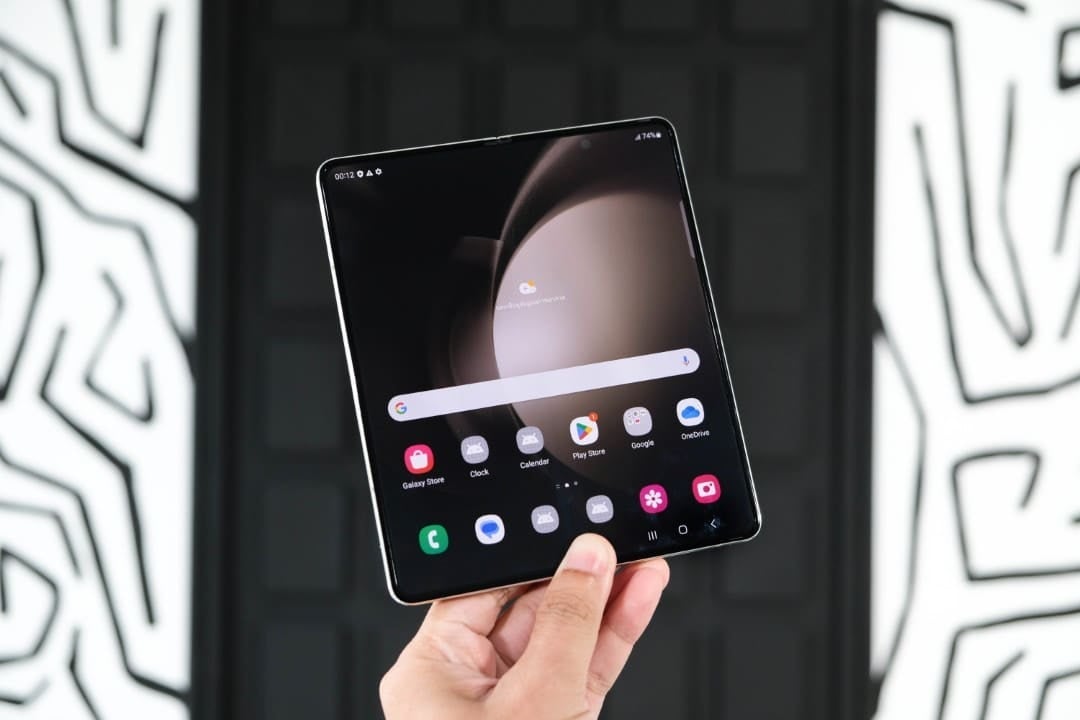
Samsung announced, this Wednesday, July 15, 2026, a significant innovation for its next foldable devices. The company confirmed the development of “Flex Titanium” technology, a new screen structure specifically designed to reduce the visibility of creases and increase the overall resistance of devices. This news arrives on the eve of the launch of the long-awaited Galaxy Z Fold 8, Galaxy Z Fold 8 Ultra and Galaxy Z Flip 8 line, promising an improved user experience.
Flex Titanium’s main focus is on solving one of the biggest challenges facing foldable smartphones since its introduction: the obvious mark at the screen’s folding point. By incorporating titanium directly into the display structure, and not just in the hinges, Samsung seeks to attack the root cause of the problem, promising a cleaner look and a longer lifespan for the devices.
Understand how the Flex Titanium screen works in new foldables
Flex Titanium technology represents an important evolution in the materials used in folding screens. Instead of focusing solely on improving the hinge, Samsung has integrated a titanium alloy into the display assembly. This approach aims to distribute stress more effectively across all layers of the display, including the ultra-thin glass, OLED panel, adhesive layer and support structure.
Traditionally, repeated folding causes a build-up of tension in these components, which eventually manifests as permanent creasing. With Flex Titanium, the intention is that each bend results in a more even distribution of force, preventing stress from concentrating and causing visible deformation. This is a paradigm shift from previous tweaks like adding or removing digitizer layers for S-Pen support, marking a more radical material advancement.
The impact of new technology on user experience
For consumers, the arrival of Flex Titanium on the Galaxy Z Fold 8 and its siblings means a tangible improvement in quality and durability. Reducing the visibility of the crease will contribute to a more immersive and enjoyable visual experience, making the foldable screen look more like a continuous display and less like two halves joined together. Additionally, the promised greater strength could alleviate concerns about the fragility of foldable devices, making them more reliable for everyday use.
However, innovation may come with an additional cost. Industry experts suggest that while more robust screens are beneficial, they can involve more expensive repairs if damage occurs. This is an important consideration for future owners, who will need to weigh the benefits of improved durability against potential maintenance costs. Samsung, by introducing this technology, seeks to solidify its leadership position in the foldable segment, offering a product that meets users’ growing expectations for innovation and reliability.
Which Galaxy Z models will receive Flex Titanium?
Samsung has confirmed that the new Flex Titanium technology will be implemented in its “next generation” of foldable cell phones. This includes the highly anticipated Galaxy Z Fold 8, which promises to be the flagship of the line. In addition, the innovation will extend to the Galaxy Z Fold 8 Ultra, a version that will possibly bring even more premium specifications, and the Galaxy Z Flip 8, the brand’s compact and stylish model.
The launch of these devices is expected to take place in the coming days, generating great expectations among technology enthusiasts and consumers in search of the latest innovations. The inclusion of Flex Titanium across the entire foldable lineup underscores Samsung’s commitment to continually improving its products and addressing key criticisms and challenges in the category. This strategic move could redefine the standard for quality and durability in the growing flexible screen smartphone market.
What does crease reduction mean for the future of foldable phones?
Persistent creases and perceived fragility have been significant barriers to the mass adoption of foldable smartphones. By investing heavily in a solution like Flex Titanium, Samsung not only improves its own products, but also drives the evolution of the entire industry. A more durable and visually “cleaner” screen could be the catalyst that convinces more consumers to migrate to this technology.
The innovation reinforces the idea that the future of smartphones can be truly flexible, offering new design and functionality possibilities. For Samsung, the undisputed leader in this segment, investing in Flex Titanium is a strategic move to maintain its lead and demonstrate that the company is attentive to user feedback, seeking creative solutions to technical challenges. This advancement could soon become an industry standard, benefiting all manufacturers and, most importantly, consumers who want the convenience and style of foldable devices without the traditional concerns about screen durability and aesthetics.