
Leak reveals 6,500 mAh battery and 2 nm chip in the future OPPO Find N7

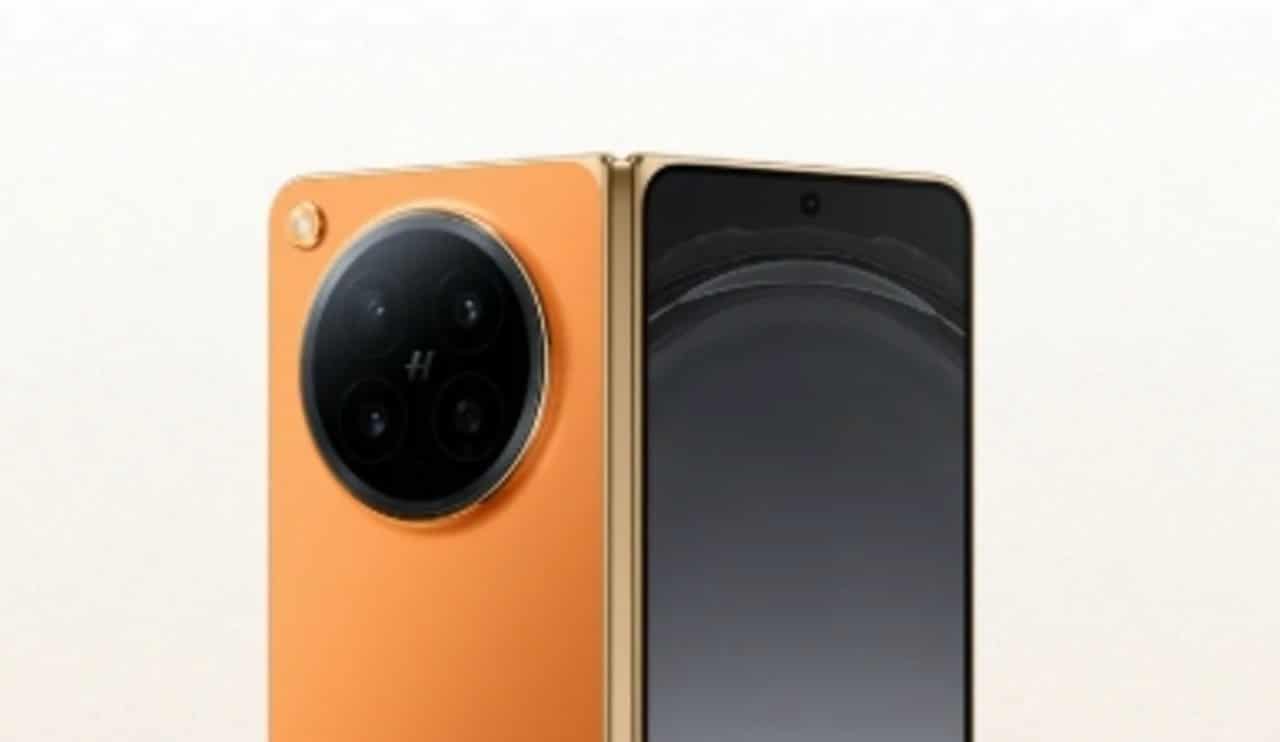
New information indicates that the OPPO Find N7 is being tested with a 6,500 mAh battery and Qualcomm’s upcoming Snapdragon 8 Elite Gen 6 processor, according to a recent leak from the Digital Chat Station profile on the Weibo social network. The device would also be under evaluation with an integrated artificial intelligence accelerator and a wider foldable design, with a launch expected in the first quarter of 2027.
If the leaked specifications are confirmed, the Find N7 would be the first foldable smartphone to come equipped with a 2nm processor, surpassing Samsung’s Galaxy Z Fold 8 Wide and Apple’s future foldable iPhone, which use 3nm silicon. This new-generation chip advantage, combined with one of the largest batteries ever housed in a book-style foldable, positions OPPO’s next handset as a strong competitor to the flagship models launched this year.
What the leaks reveal about the Find N7
Several rumors and leaks that occurred between June and July 2026 have detailed what OPPO is developing. Key specs reported so far include:
- Processor:Snapdragon 8 Elite Gen 6 (SM8950), manufactured on TSMC’s 2nm process.
- Battery:Engineering target of approximately 6,500 mAh.
- Inner Screen:7.6 inches, foldable AMOLED, with technology to almost eliminate creasing.
- External screen:5.5 inches.
- Format:Wide folding design, with proportions similar to the Galaxy Z Fold 8 and Apple’s supposed foldable iPhone.
- Hinge:New generation mechanism designed for almost imperceptible creasing.
- Screen Suppliers:Samsung Display and BOE.
- AI hardware:Artificial intelligence accelerator integrated into the device in the testing phase.
- Expected release:First quarter of 2027, initially in China.
An earlier round of leaks had identified the wider form factor and Snapdragon 8 Elite Gen 6 chipset. Another tipster, Smart Pikachu, later corroborated the claims about the creaseless screen and horizontal camera redesign, aligning with Digital Chat Station’s previous comments about OPPO’s improved hinge system.
The camera system is not yet finalized, but previous leaks suggest that OPPO may maintain a focus on flagship-level photography, similar to the Find X10 Ultra. Specifications close to those of the Find N6 have been mentioned repeatedly: a 200 MP main sensor, a 50 MP ultrawide and a 50 MP periscope telephoto lens.
OPPO evaluates two designs for the foldable’s cameras
One detail of the most recent leaked information, which has received less attention, is the situation with the camera module. In the comments section of its Weibo post, Digital Chat Station revealed that OPPO is currently testing two different layouts for the Find N7’s camera module: a classic large circular camera island and a horizontal arrangement, similar to the iPhone Air’s camera bar.
The circular island has been a feature of OPPO since the original Find N series, present in all of its foldables. Switching to a horizontal layout would bring the phone in line with the design direction adopted by most Android flagships in recent years, especially on wider-bodied devices where a horizontal module naturally fits into the proportions.
The fact that OPPO has not yet committed to either design suggests that the company is closely watching how the camera layouts of Samsung and Apple’s foldables will be received this summer. The Galaxy Z Fold 8 Wide uses a dual 50 MP rear camera in a compact island. Apple’s foldable iPhone is expected to feature a horizontal dual-camera setup. OPPO has the benefit of time to react before its own hardware is defined.
The impact of the 2027 launch window on the market
The foldables market of 2026 is more crowded than ever. Between July and September, at least six flagship book foldables from six different manufacturers are being launched. The Vivo X Fold 6 has already debuted with a 7,000 mAh battery. Samsung’s Galaxy Z Fold 8 arrives on July 22. Apple’s foldable iPhone is expected in September. The Xiaomi Mix Fold 5 is scheduled to launch in August.
All of these devices will run on current generation 3nm processors. The OPPO Find N7, by postponing it to the first quarter of 2027, is betting on something different: being the first foldable to benefit from the efficiency and performance gains of a 2 nm manufacturing process.
Based on the leaked specifications, the Snapdragon 8 Elite Gen 6 is expected to offer around 15% more performance and 30% lower power consumption compared to its predecessor. These gains are more relevant on a foldable than on a standard phone. Foldables operate with two screens, power complex hinge mechanisms and work on thinner chassis, with less space for heat dissipation. A chip that consumes significantly less power under sustained load could make a noticeable difference to battery life in real-world use, especially when combined with a 6,500 mAh cell.
This may indicate that OPPO’s “late arrival” is not about delay, but rather about strategic positioning for the Find N7 as a next-generation product in a market where its competitors will have already launched products with older silicon. The tradeoff is clear: OPPO gives up first-mover advantage and the chance to win over buyers before Samsung and Apple establish their broad foldable narratives. In return, it gets a hardware advantage that no competitor in the Q1 2027 window can match on specs alone.
Comparison of Find N7 with 2026 foldables
The battery comparison is where the Find N7’s leaked specs stand out the most. See how it stacks up against confirmed and rumored competitors:
- OPPO Find N7:6,500 mAh (leaked), Snapdragon 8 Elite Gen 6 (2 nm)
- OPPO Find N6:6,000 mAh, Snapdragon 8 Elite Gen 5 (3 nm)
- Samsung Galaxy Z Fold 8 Wide:Approximately 4,800 mAh, Snapdragon 8 Elite Gen 5 (3 nm)
- Apple iPhone Foldable:Unconfirmed battery, A19 chip (3nm expected)
- Vivo X Fold 6:7,000 mAh, Dimensity 9500 Super Edition
- Xiaomi Mix Fold 5:6,000 mAh, Xring O3
Only the Vivo X Fold 6 equals or surpasses the Find N7 in gross battery capacity. However, the Vivo uses MediaTek silicon, while OPPO is said to be combining its large battery with what is expected to be the most power-efficient mobile chip available at launch. The combination of a 6,500 mAh cell and a 2 nm processor could give the Find N7 a significant advantage in autonomy, although real-world performance depends on screen brightness, software optimization and how aggressively OPPO configures the chip.
In relation to Samsung specifically, the difference is considerable. The Galaxy Z Fold 8 Wide’s estimated 4,800 mAh battery is about 35% below the Find N7’s leaked capacity. Samsung partially compensates with One UI’s software efficiency and years of optimization for foldables, but the hardware gap is difficult to bridge with software alone.
Risks and questions still unanswered
Several important details remain unconfirmed. OPPO has not officially recognized the Find N7, and engineering goals may change before production. The 6,500 mAh number comes from a single source describing early testing, and the battery capacity has already been reduced in previous devices between the prototype and retail phases.
Other open questions include:
- Charging speed.The Find N6 supports 80W wired and 50W wireless charging. It’s unknown whether the Find N7 will be upgraded or maintain those numbers.
- Global availability.The Find N6 was only launched in China. OPPO has not indicated whether the N7 will follow the same pattern or seek wider distribution.
- Price.No pricing information has emerged. Rising component costs, especially the premium for TSMC’s 2nm wafers, and potential LPDDR5X memory price increases, could push the Find N7 above current foldable price ceilings.
- Camera completion.With two designs still under evaluation, the final camera hardware is clearly not defined. Late camera decisions may affect image processing tuning and overall image quality at launch.
- Standard versus broad model.Some leaks have suggested that OPPO may launch both a standard Find N7 (as a direct successor to the Find N6) and a Find N7 Wide. It has not yet been confirmed whether the company will launch one or two models.
Next steps and launch expectations
The next major milestone is Qualcomm’s Snapdragon Summit, scheduled for September 22-24, 2026. This event will formally reveal the Snapdragon 8 Elite Gen 6 and its Pro variant, confirming the performance benchmarks on which the Find N7’s value proposition is based. Between now and then, additional leaks from Digital Chat Station and other tipsters will likely detail the camera design, charging specs, and pricing.
OPPO’s decision to build the Find N7 around hardware that doesn’t officially exist yet is a calculated risk. If the Snapdragon 8 Elite Gen 6 delivers on its efficiency promises and OPPO manages to finish the phone without delays, the Find N7 could enter 2027 as the most technically advanced foldable on the market. If the chip or the phone is delayed, OPPO runs the risk of arriving with already surpassed interest in a fast-moving segment.





