

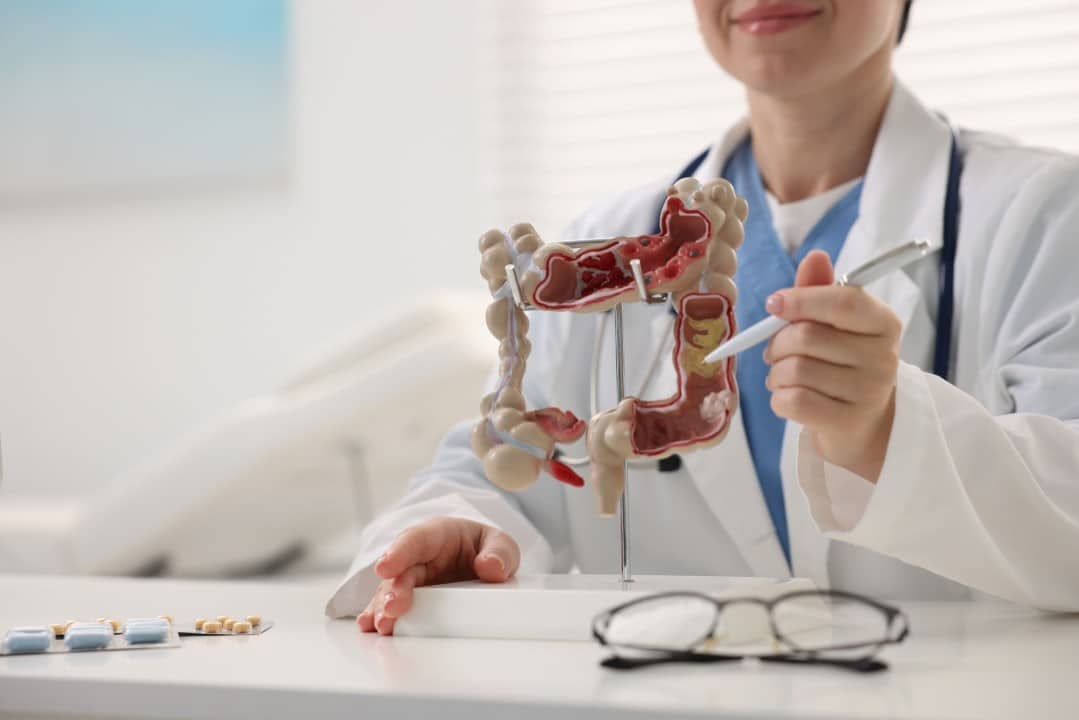
Bowel cancer emerges as one of the most frequent types of neoplasia in Brazil, accounting for more than 23 thousand deaths annually. Data from the National Cancer Institute (Inca) indicate a worrying increase in diagnoses, which increasingly affects not only the older population, but also younger individuals. This scenario reinforces the urgency in early detection and awareness of the signals that the body emits, which are often ignored, as was seen on Tuesday, July 21, 2026.
Signs that indicate the presence of colorectal cancer
The disease often progresses silently in its early stages, which requires close attention to the body’s signals. Early detection is essential, as the body often gives important warnings that, if neglected, can seriously compromise treatment and recovery.
It is crucial to pay attention to the following indicators, which can be noticed in everyday moments, such as in the bathroom:
- Presence of blood in feces
- Bleeding from the rectum
- Episodes of persistent diarrhea
- Frequent constipation
- Thinner-shaped stools for several days
- Unexplained weight loss
- Continuous cramps or abdominal pain
- Anemia without an apparent cause
The experience of singer Preta Gil in 2023 illustrates the importance of observing these changes. She reported experiencing atypical constipation and stools with changes in color and consistency.
Her diagnosis, which revealed a six-centimeter tumor, only occurred after intense bleeding that took her to a hospital emergency, highlighting the danger of delaying seeking medical help in the face of the first signs.
The worrying increase in younger patients and their triggers
Colorectal cancer is the third most common form of cancer in the world, with almost 2 million new diagnoses each year. In Brazil, the situation reflects this global trend, accounting for 10% of new registered cancer cases.
Although the majority of patients are still over 50 years old, recent studies show an alarming increase in the number of young people affected by the disease, a point that intrigues medical researchers.
The most accepted explanation for this trend is the worsening lifestyle habits of this age group, suggesting a direct link between the contemporary lifestyle and the earlier development of the disease. This data raises an alert for the need to reevaluate routines at all ages.
Daily habits that reduce the risk of developing the disease
Experts highlight that preventing bowel cancer is strongly linked to daily choices. Adopting certain routines can be decisive in reducing the chances of developing the disease.
Check out the main habits that contribute to reducing risk:
- Balanced diet:Prioritize a plate with adequate portions of rice, beans or pasta, palm-sized lean meat, and plenty of vegetables.
- Strict weight control:Maintaining a healthy Body Mass Index (BMI) is crucial as obesity is one of the main risk factors associated with colorectal cancer.
- Constant physical exercise:Regular physical activity, such as daily walks of 40 minutes to an hour, already contributes significantly to intestinal and general health.
- Abstain from tobacco and alcohol in moderation:The substances present in these products can induce cell mutations and promote the development of cancer.
- Adequate hydration:In hot climates like Brazil, drinking up to 3 liters of fluids per day is recommended, varying according to individual weight and level of physical activity.
- Regular Evacuation:The ideal is not to exceed 48 hours without having a bowel movement, to avoid prolonged contact of the intestinal mucosa with carcinogenic substances present in the feces.
Advances in diagnosis and the SUS protocol for early detection
Early identification of colorectal cancer is an ongoing challenge, as many individuals, even noticing symptoms, delay seeking medical help, as shown by research by A.C. Camargo. Almost half of people who noticed blood in their stool, for example, did not seek care, highlighting a critical gap in awareness about the importance of rapid diagnosis.
To strengthen the public health strategy, the Ministry of Health recently announced a new national tracking protocol for the Unified Health System (SUS).
The Fecal Immunochemical Test (FIT) was chosen as the reference test for asymptomatic individuals between 50 and 75 years old. This method seeks to identify small amounts of occult blood – invisible to the naked eye – which may indicate the presence of polyps, pre-cancerous lesions or tumors in the intestine.
The difference between FIT and older occult blood tests is the technology used: it uses specific antibodies to identify human blood, which gives the result much greater precision. This innovation is crucial to optimizing screening and ensuring that more cases are discovered at earlier stages, when treatment is most effective.
The fundamental importance of medical consultation at the first symptoms
In addition to adopting a healthy lifestyle and taking advantage of advances in screening methods, the most crucial recommendation from experts is to seek medical assistance immediately upon noticing any concerning symptoms. This proactive attitude can be the difference for a positive outcome.
Even if the manifestations seem isolated or mild, professional evaluation is essential for a quick diagnosis and to increase the chances of successful treatment. A doctor may order additional tests, such as a colonoscopy, if deemed necessary.
Ignoring these signs can lead to a delay that significantly compromises the effectiveness of therapeutic interventions, reinforcing the maxim that “time is life” in the fight against cancer. Prevention and paying attention to the body’s signals are the best tools to combat the disease.




