
IPhone Ultra’s new advanced cooling system surpasses iPhone 18’s capabilities

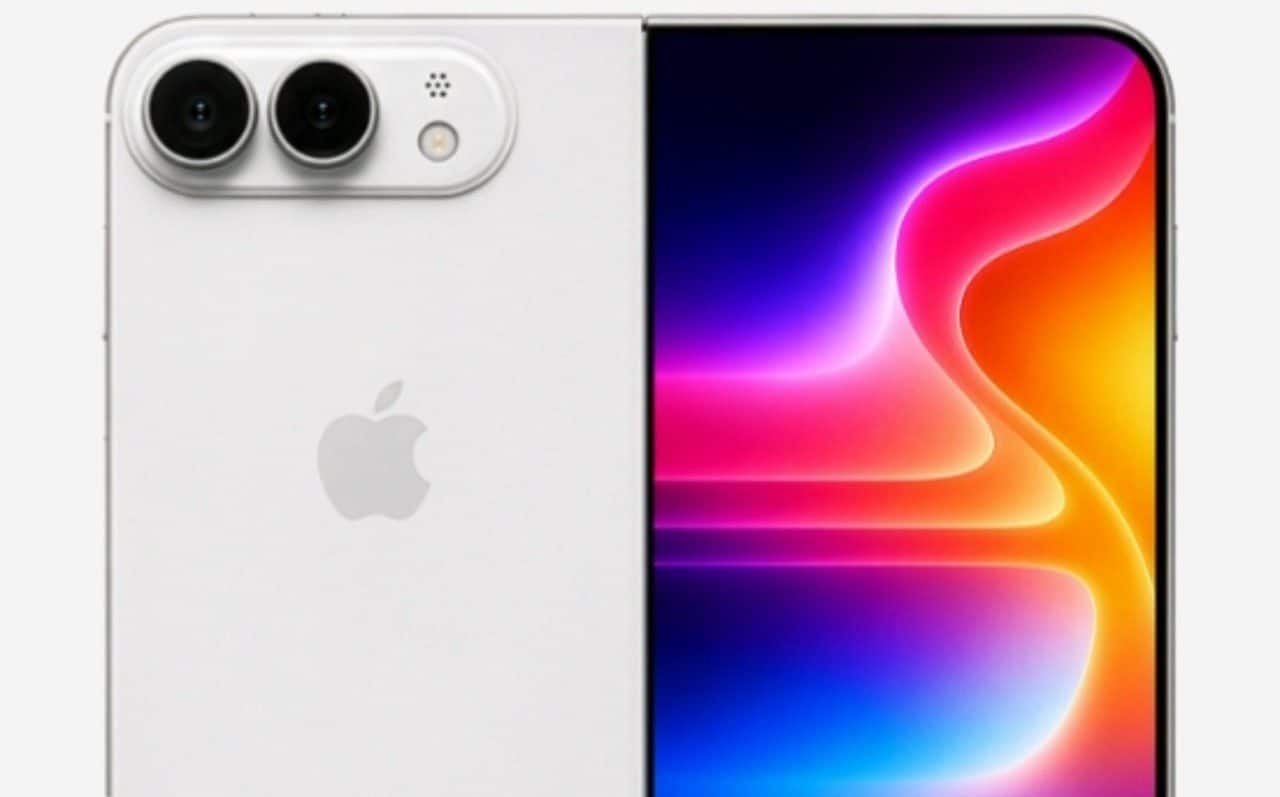
On July 19, 2026, information emerged indicating that Apple’s first foldable cell phone, provisionally named iPhone Ultra, should incorporate a heat dissipation system superior to that planned for the iPhone 18 line. This innovation is seen as crucial to preserving performance at high levels for longer, even when the device is subjected to tasks that require large processing.
The company’s supply chain reported that Apple had recently intensified orders for a new vapor chamber model, designed specifically for the foldable device. This component aims to help the A20 Pro processor operate at higher frequencies, avoiding thermal limitations that could harm its performance.
However, the origin of these rumors is the tipster Fixed Focus Digital. Despite its consistent track record with industry leaks, no official documents have been presented. Therefore, the information should be viewed with caution until Apple makes a statement on the matter.
Apple had already implemented a vapor chamber technology with deionized water in the iPhone 17 Pro. In this method, the liquid absorbs the heat generated by the processor, vaporizes, moves to colder areas and then returns to the liquid state, completing the cycle.
This continuous cooling process has the function of distributing heat effectively throughout the internal structure of the device, preventing overheating during prolonged use. For the iPhone Ultra, the expectation is that Apple will use a more robust and efficient version of this technology, maximizing the potential of the A20 Pro chip.
Even though it shares the same processor with conventional models, the future foldable iPhone could provide more stable and long-lasting performance. In practice, this advantage would manifest itself more clearly in scenarios such as heavy games, video editing, use of artificial intelligence resources and multitasking.
The reduced thickness of the device also represents a significant challenge for thermal management. Rumors point to measurements of just 4.8 mm when opened and 9.6 mm when closed, smaller dimensions than expected for the iPhone 18 Pro Max.
However, the advanced cooling system would not only have the function of compensating for the thin design. The iPhone Air, at 5.6 mm thick, does not have such a sophisticated thermal solution, which suggests that the choice for robust cooling in the Ultra is more linked to the search for high performance.
The device’s foldable architecture could also lead Apple to eliminate some components already known from the line. Among the possible absences are Face ID and the telephoto camera, due to the fragmentation of the internal space caused by the hinge and the two halves of the device.
The company’s strategy would involve compensating for these possible limitations with even greater processing capacity and the introduction of an innovative format in its catalog. There is also the possibility that the new cooling system will be incorporated in the future into the iPhone celebrating the 20th anniversary of the line.
So far, Apple has not confirmed the name iPhone Ultra, its specifications or even the existence of the device. Therefore, both details about the thermal project and other information remain in the field of speculation until an official announcement.
Expected specifications for the iPhone Ultra, according to rumors
- Internal screen: 7.58-inch Samsung OLED, crease-free
- External screen: 5.35-inch Samsung OLED
- Platform: Apple A20 Pro
- RAM memory: 12 GB LPDDR5X
- Battery: 4,883 mAh (previous rumors indicated between 5,400 mAh and 5,800 mAh)
- Biometrics: Side Touch ID
- Construction: Titanium Chassis
- Thickness (open): 4.5 mm
- Dimensions (closed): 120.6 x 83.8 x 9.6 mm





