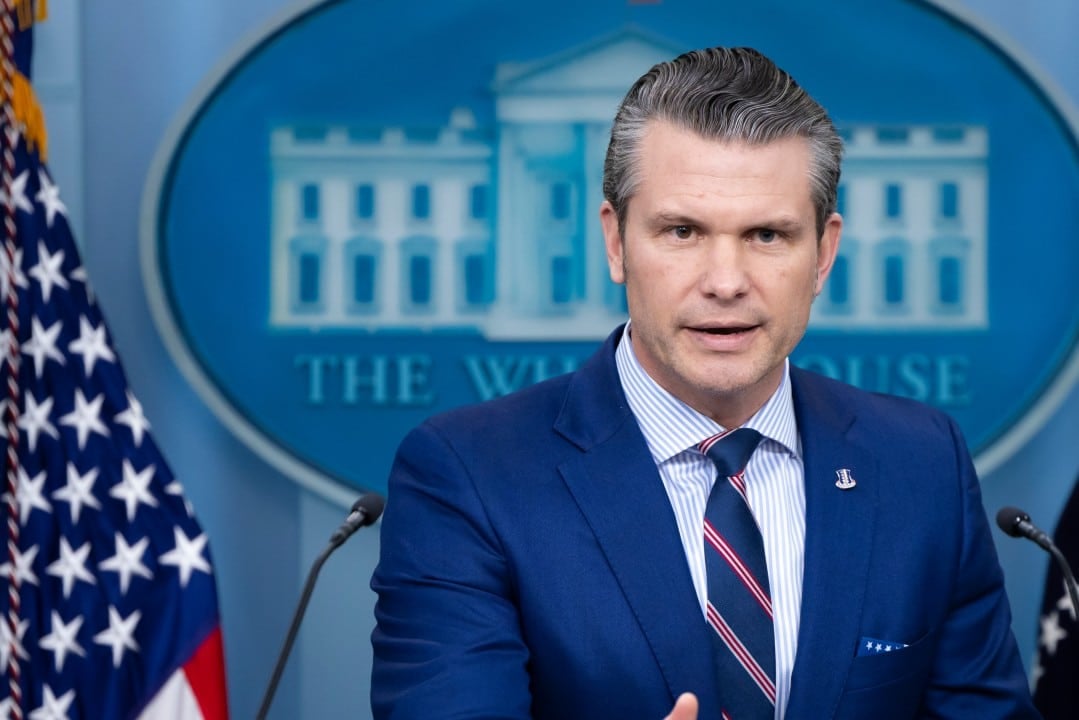
United States Secretary of Defense, Pete Hegseth, declared on Tuesday, July 21, 2026, that the conflict with Iran has already required an investment of US$37.5 billion. The statement was made during a Senate hearing, marked by protests and questions about a US$95 billion Republican budget package, which aims to finance the armed forces, assist farmers and promote changes to electoral laws, White House priorities.
Hegseth presented the new cost estimate, which surpassed previous projections, before the Senate Budget Committee. During his initial speech, the secretary was interrupted by protesters, days after the Pentagon confirmed the death of three more American soldiers in the conflict, bringing the total number of deaths to 17 and injuries to more than 100 since the beginning of July.
Secretary defends investment and senator warns of prolonged war
The Secretary of Defense argued that the additional funding for the war represents an “urgent and necessary” injection of resources. He highlighted that, combined with President Donald Trump’s $1.5 trillion defense budget proposal, the amount represents a historic investment in the country’s armed forces.
“Without these funds, we will face critical deficits,” Hegseth warned in his testimony to the commission.
Conversely, Senator Patty Murray, the committee’s top Democrat, expressed concern in her opening speech, warning of the possibility of “another endless war.”
“This war is once again spiraling out of control,” Murray said.
She recalled that President Trump “has already told us more than 40 times that a deal is close and that the war will end soon.” However, the senator criticized: “But now, he is asking for another 70 billion dollars — and that we simply trust him and that everything will work out.”
In addition to Hegseth, General Dan Caine, chairman of the Joint Chiefs of Staff, and Secretary of Agriculture Brooke Rollins were also summoned to testify before the commission.
Budget details and impact on the population
Before the hearing, the White House had issued an official statement, requesting support for the budget resolution “without modifications — immediately.”
The resources allocated to the conflict represent the largest portion of the budget proposal presented by the Republican Party.
This new Republican plan constitutes the last priority package that the party hopes to approve before the parliamentary recess, in preparation for the midterm elections that will define control of Congress. The proposal also includes US$10 billion in aid for farmers affected by tariffs imposed by Trump, and another US$10 billion for reforms to electoral legislation, which could introduce new identification requirements, without any of this spending being offset by budget cuts.
An AP-NORC poll indicated that a majority of American citizens continue to disapprove of Trump’s management of Iran. The cost of gasoline has risen sharply as Iran tries to limit the flow of oil through the Strait of Hormuz, and U.S. ammunition stocks dwindle amid a series of American missile attacks. Such developments contrast with Trump’s campaign promise to avoid US involvement in protracted military conflicts.