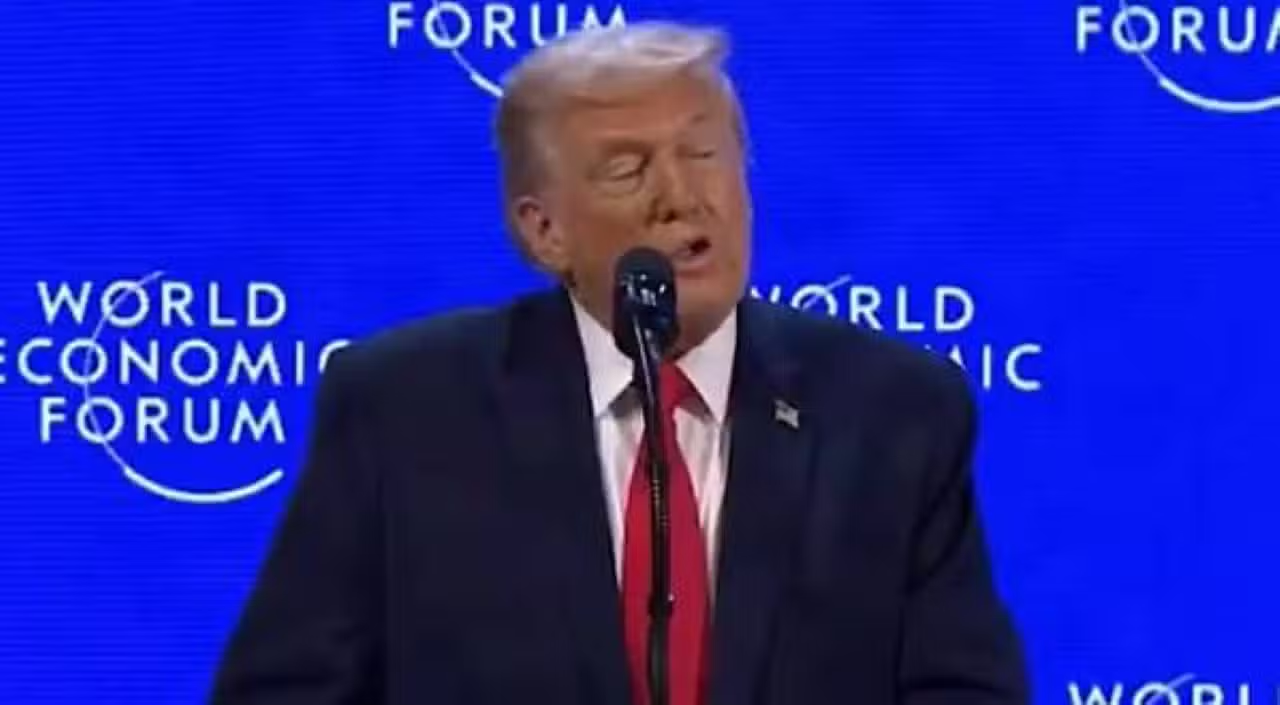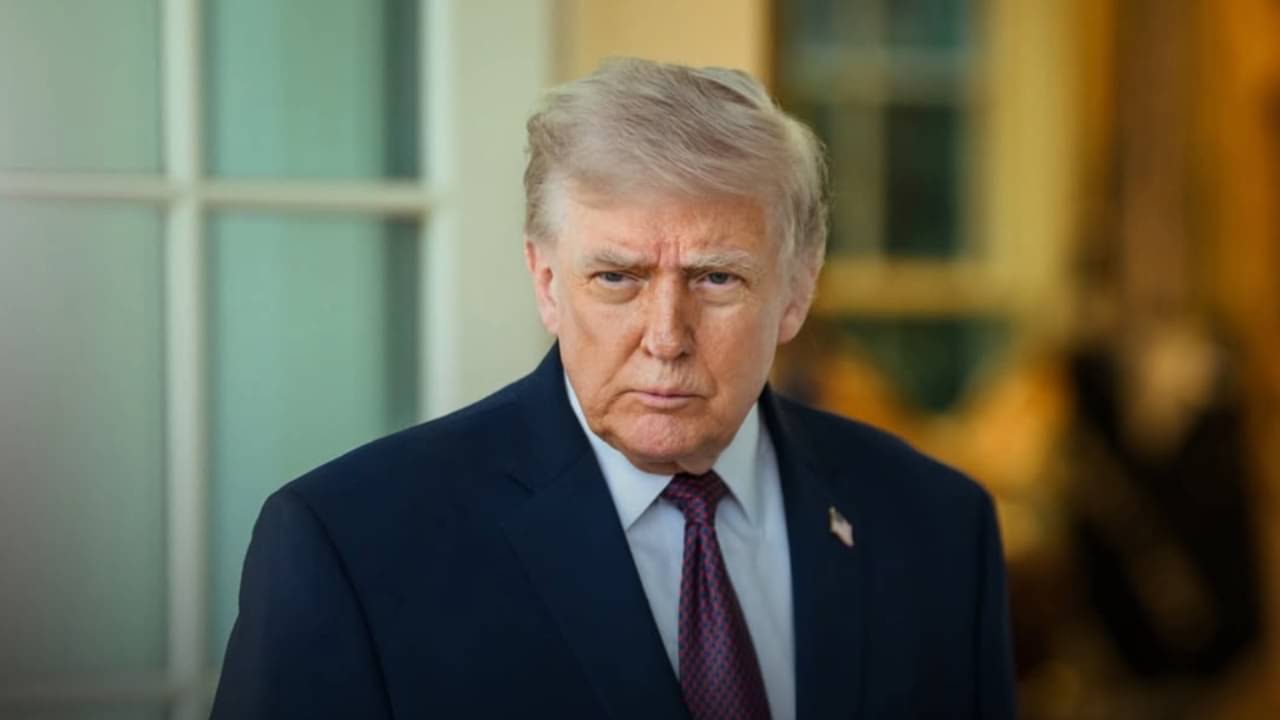
Ukrainian President Volodymyr Zelensky rejected demands by United States President Donald Trump to end drone strikes against Russian oil refineries, stating on Sunday (11) that operations will halt only if Moscow stops bombarding Ukrainian electrical infrastructure under reciprocal guarantees. The declaration came after Trump blamed Ukrainian military actions for surging fuel costs in the United States and publicly urged Kyiv to replace its head of state.
Trump escalated the diplomatic confrontation over the weekend by announcing on his Truth Social platform that Washington had secured an immediate energy truce between the warring nations. Speaking to reporters in Kyiv on Sunday, October 11, 2026, Zelensky clarified that the Ukrainian government had not received advance notification of any concluded agreement. “The ceasefire announcement was news for me. But if Russians agree to an energy ceasefire Ukraine will agree,” Zelensky stated.
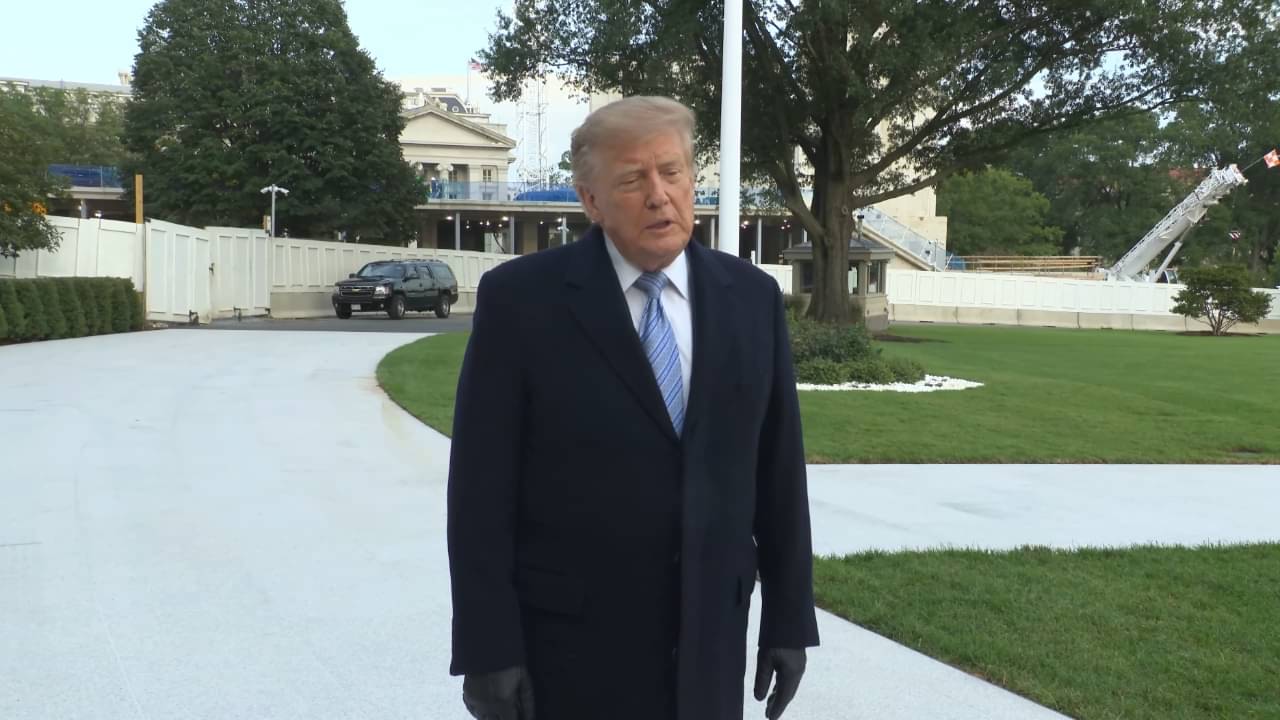
Donald Trump demands leadership change in Kyiv and refinery halt
Tensions between Washington and Kyiv widened following statements delivered by Donald Trump on Saturday (10) in Washington, where the American leader directly criticized Zelensky’s war strategy and wartime tenure. Addressing reporters, Trump stated that “it’s time for Ukraine to get a new president” and argued that ongoing Ukrainian strikes against Russian petrochemical sites were disrupting international crude flows. “We said you could do whatever you want to Russia, don’t hit the refineries, because that’s a world problem that’s caused,” Trump said.
Read also: Donald Trump authorizes red-dyed diesel for highway truckers
Trump linked the Ukrainian campaign directly to domestic economic pressures in the United States, where diesel fuel reached a record price of US$ 6.00 per gallon. The price spike coincides with approaching American midterm legislative elections, creating political vulnerability for the White House as energy inflation affects transport and retail costs nationwide. On Friday (9), Trump had announced a preliminary understanding with Russian President Vladimir Putin to ease selective economic sanctions, allowing Russia to resume diesel exports to international buyers.
The White House initiative drew immediate opposition from Ukrainian officials, including Minister of Foreign Affairs Andrii Sybiha, who described sanction relief for Russian fuel as an unwarranted concession to Moscow while Russian forces continue cross-border attacks.
Keep reading: Yandex suspends 50 MW Vladimir facility after third drone strike in a week
Volodymyr Zelensky conditions truce on Russian grid security
Zelensky responded to Trump’s public pressure by maintaining that Ukrainian military targeting remains tied directly to the protection of Ukrainian domestic infrastructure. Ukrainian cities have experienced severe rolling blackouts following repeated Russian missile and drone salvos aimed at thermal generation plants, transmission substations, and hydroelectric dams. “The real cause of the war in Europe is Russia, and Russia alone. It is already possible today to halt the attacks on our energy sector, but Putin does not want to do so,” Zelensky stated.
The Ukrainian president affirmed that military operations against petrochemical facilities inside the Russian Federation serve as a defensive countermeasure to degrade Moscow’s logistics and economic revenue. “Ukraine will be prepared to stop attacks on Russian oil refineries if Russia ceases its attacks on our energy infrastructure,” Zelensky stated, adding that any verified halt must feature binding guarantees. In response to Trump’s suggestion of an election to replace him, Zelensky noted that organizing a nationwide vote under active wartime conditions would require at least a 60-day pause in military combat.
Economic impact and 45% drop in Russian refining capacity
Ukrainian military intelligence and drone units have systematically targeted Russian energy infrastructure throughout 2026, hitting distillation columns, storage depots, and pipeline junctions deep inside Russian territory. The operational disruptions accumulated substantial losses for the Russian energy sector, prompting administrative trade bans and reductions in processing volume across several industrial regions.
- July 2026: Russia enacted a total ban on diesel exports to protect domestic distribution channels following refinery fires.
- September 2026: Ukrainian drone operations reached an estimated cumulative disruption of 45% of total Russian crude refining capacity.
- October 9, 2026: Donald Trump announced a preliminary agreement with Vladimir Putin to ease sanctions and allow Russian diesel shipments.
- October 10, 2026: Donald Trump called for the replacement of Volodymyr Zelensky during an interview in Washington.
- October 11, 2026: Donald Trump announced an energy ceasefire, while Volodymyr Zelensky conditioned any pause on reciprocal guarantees for Ukraine’s power grid.
Russian President Vladimir Putin acknowledged during internal economic briefings that the Ukrainian strikes on domestic refining assets resulted in a direct negative impact equivalent to 1% of Russia’s gross domestic product. Despite these disruptions, divergent assessments persist regarding the primary driver of global oil volatility. While Donald Trump attributes American diesel prices to Ukrainian strikes on Russian soil, international energy analysts attribute the cost spike to Middle Eastern logistics bottlenecks triggered by conflict involving Iran and shipping disruptions in the Strait of Hormuz since early 2026.
Unconfirmed Russian stance on energy ceasefire terms
While Donald Trump insisted that both capitals had agreed to an immediate cessation of strikes against power grids and fuel assets, the formal stance of the Russian government remains unverified. The Kremlin has not issued an official confirmation stating that the Russian Federation has agreed to the terms of the bilateral energy ceasefire publicized by the American president, leaving the operational status of future air strikes uncertain on both sides of the front line.