


Experiencing high temperatures inside the car is an uncomfortable situation, especially in a country like Brazil, where the heat has intensified in all seasons. Understanding how to cool the cabin efficiently and quickly is essential for anyone who drives.
In contexts of extreme heat, having a properly functioning automotive air conditioning system goes beyond comfort, becoming a matter of well-being and safety. Furthermore, small daily practices and correct maintenance help not only to cool the environment more quickly, but also to preserve the vehicle’s components and optimize fuel consumption, an important added value for the driver’s pocket.
To help drivers face the heat more calmly, there are five practical guidelines that can make the car’s air conditioning work at maximum efficiency.
Ventilate the vehicle before turning on the climate control system
One of the most important measures for your car’s air conditioning to cool down more quickly is to allow the accumulated hot air to escape. When entering a vehicle that has been exposed to the sun, the internal temperature can be very high. Therefore, open the doors or windows for a few moments before turning on the air conditioning. This simple habit reduces the initial effort on the system and speeds up the cooling process.
Take advantage of air recirculation to optimize internal cooling
After turning on the air conditioning, it is advisable to activate the recirculation function. This mode allows the system to use air that is already cooled inside the car, instead of capturing hot air from outside.
With recirculation activated, the cabin will reach the desired temperature more quickly, and the equipment will work more efficiently, providing comfort in less time.
Start ventilation at maximum and adjust intensity gradually
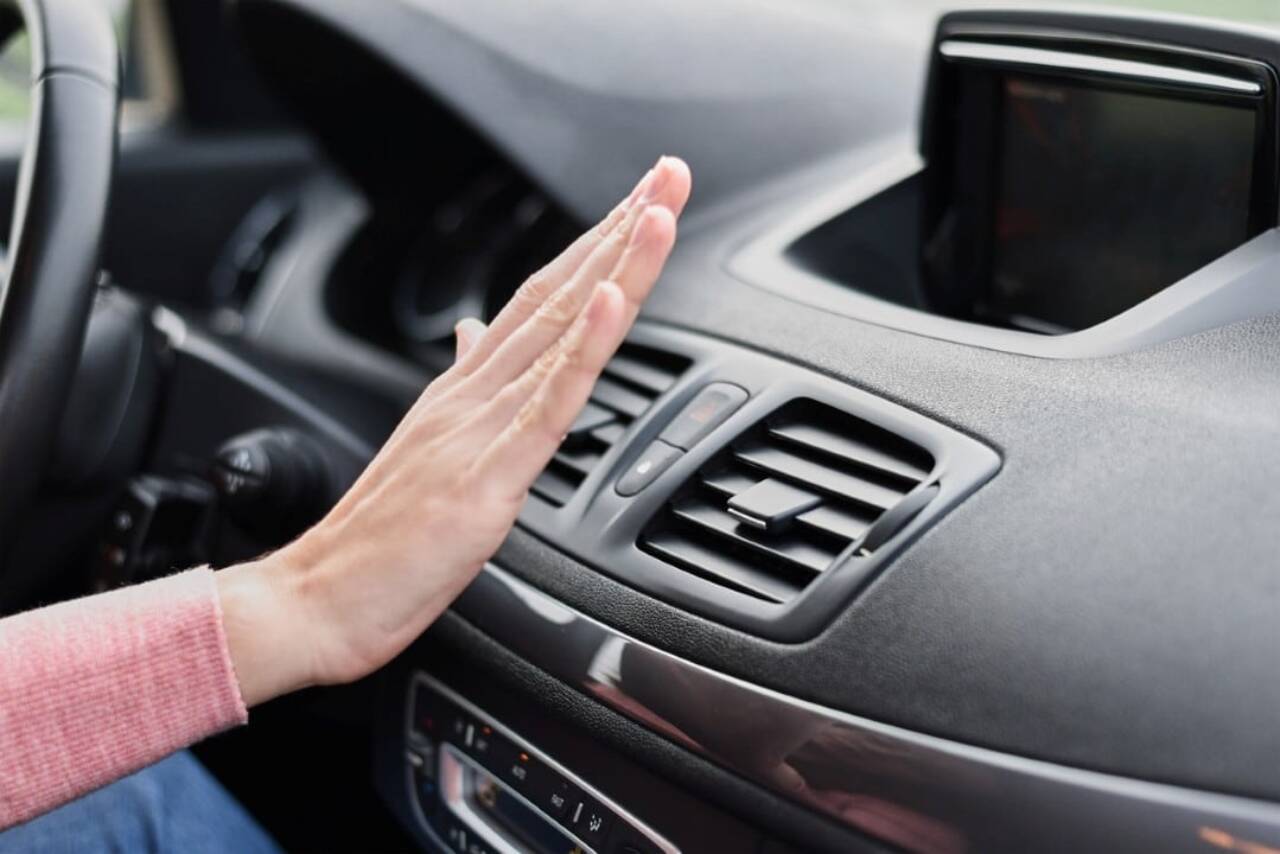
Although some people avoid turning on the air at maximum due to “excessive wind”, this is a crucial action to cool the vehicle’s interior quickly.
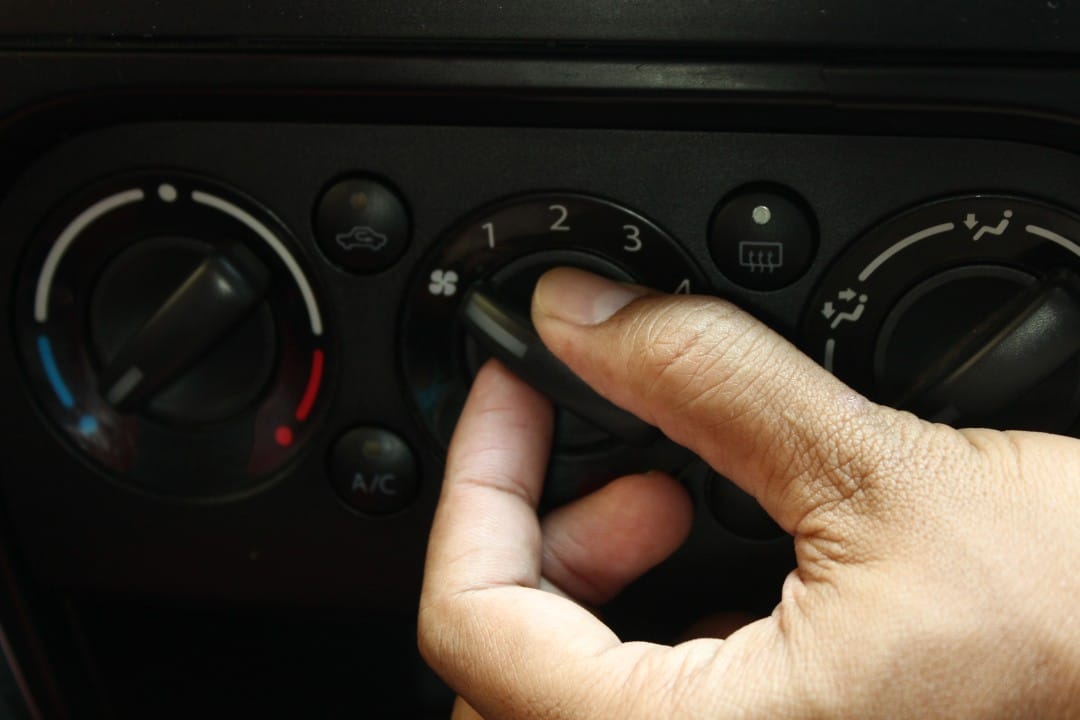
For the first few minutes, keep the fan at the highest speed to distribute cold air throughout the car quickly. Once the internal temperature is more pleasant, reduce the intensity to maintain comfort and, as an additional benefit, reduce fuel consumption.
Keep periodic system maintenance up to date
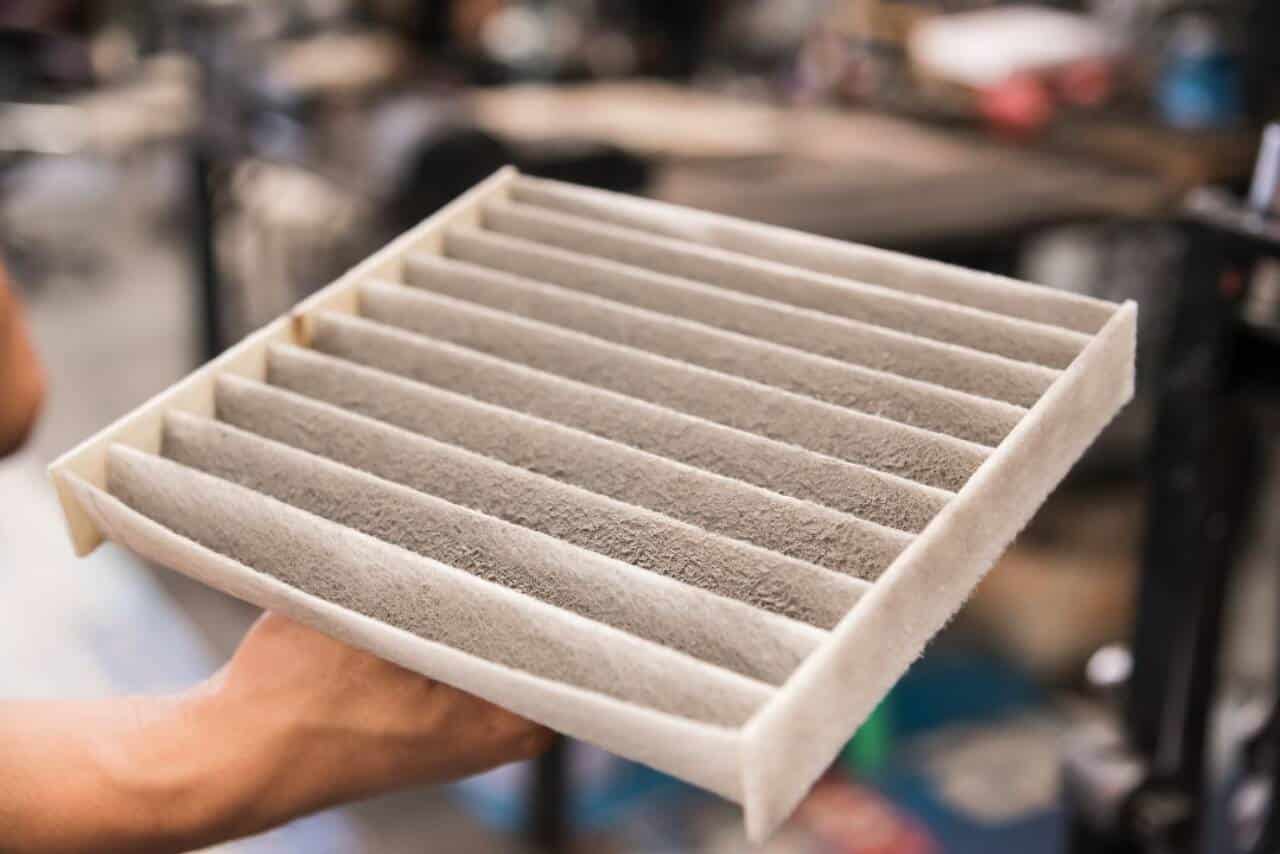
Components such as a dirty cabin filter or a system with delayed maintenance impair air circulation and compromise cooling efficiency. Although it involves an initial cost, regular maintenance can prevent larger expenses in the future.
Regularly replacing the filter and checking the refrigerant gas are essential to ensure that the air conditioning operates correctly and cools the car’s environment in the shortest possible time.
Park in shaded areas or use windshield protectors
The last recommendation for optimizing your car’s air conditioning starts before you even get into the vehicle, when parking.
Whenever possible, look for covered spaces or use windshield protectors. The less heated the car’s interior is, the less time the air conditioning will need to cool down. This practice also contributes to the preservation of internal finishes and the air conditioning system itself.






