
Curiosity finds ancient storm marks on Mars, revealing planet’s past

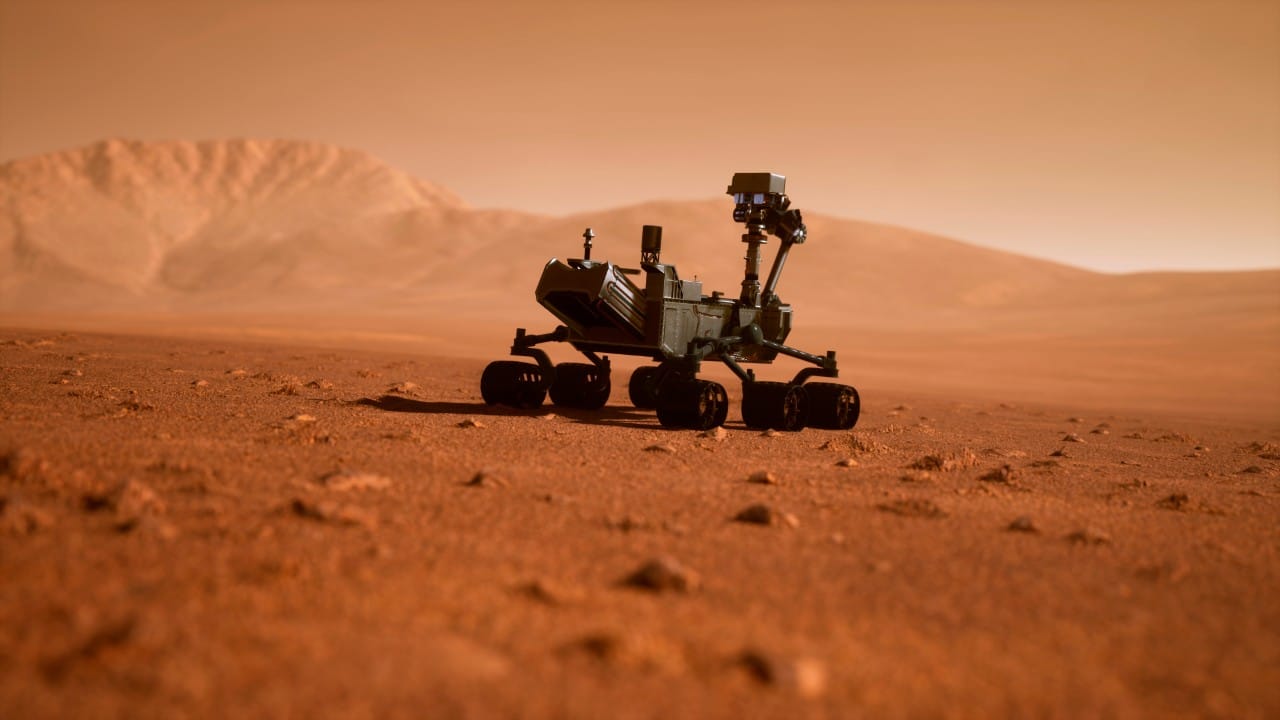
A visual record made available on July 20, 2026 reveals that the surface of the planet Mars still contains evidence of its long and complex trajectory. This finding offers in-depth insight into the evolution of the red planet.
A photograph captured by the space agency NASA’s Curiosity rover shows what researchers have identified as the remnants of a furious sand event that occurred long ago. The wreckage is testimony to a Martian era very different from the current one.
The Curiosity robot, operated by NASA, confirmed the presence of signs of severe weather phenomena in Mars’ past, contributing to the understanding of its geology.
What was the scenery like on Mars in the past?
Pesquisadores da área espacial sustentam a tese de que o ambiente marciano de eras passadas diferia muito do atual. Far from being just a reddish and dry desert, billions of years ago the red planet had a dense atmosphere, extensive rivers and deep lakes.
Through data collected by the Curiosity rover, experts are examining the traces of intense sandstorms that, according to their analyses, shaped the geography of Mars.
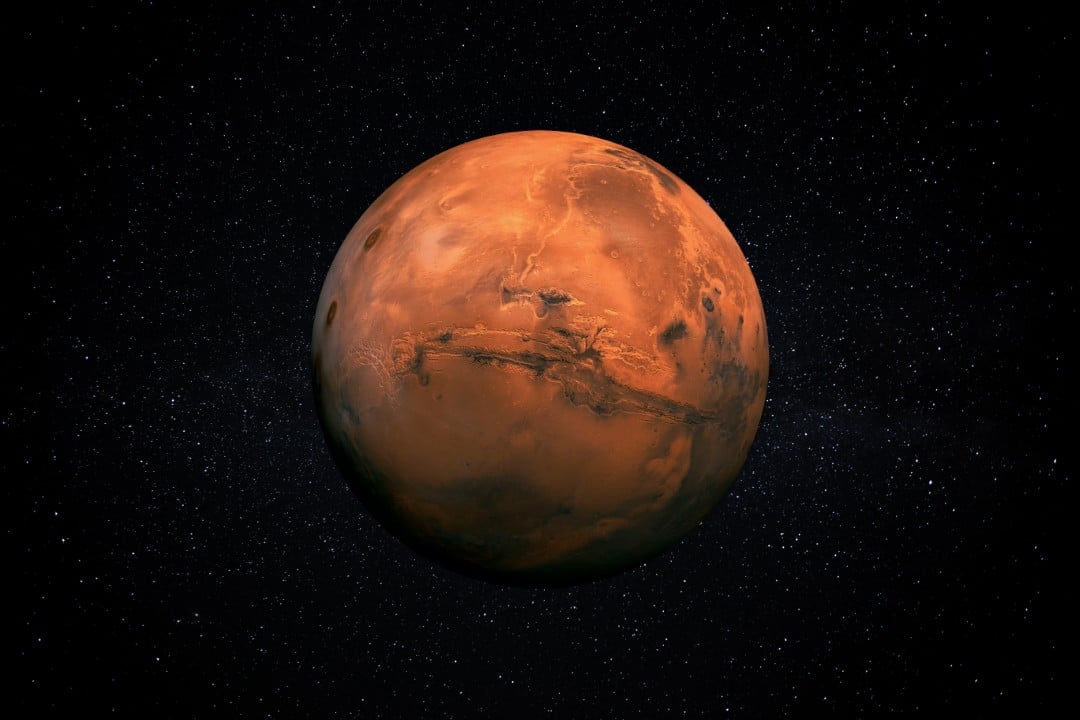
In the photograph taken by Curiosity, evidence of a violent sandstorm is visible in an area known as “Jaw Canyon.” The winds, with considerable force, would have moved the sand, creating ripples that, over time, turned into rock formations.
Observing the published image carefully, it is possible to notice the wavy characteristics in the rocks, indicating their sedimentary origin.
Although the photograph was recorded in 2024, details about the analysis and identification of these phenomena were released in a recent study in the journal Geology.
What does the discovery mean for space exploration?
The analysis carried out by Curiosity is part of a robust history of research on Martian soil, whose journey began precisely five decades ago. This historical context highlights the importance of ongoing missions.
On July 20, 1976, NASA’s Viking 1 mission made a successful landing on Mars. Unlike the Soviet probe Mars 3, which operated for just a few seconds before losing communication, Viking 1 stood out as the first to land and carry out prolonged studies on the planet.
The Viking 1 probe was responsible for the first photographs of the Martian surface, in addition to soil analyzes that fueled the search for signs of life. The success of this endeavor, exactly 50 years ago, paved the way for the current explorations of robots such as Curiosity and Perseverance, which continue to be at the forefront of space research.





