
Xiaomi launches Poco F8 and Ultra with Snapdragon 8 Elite and giant batteries


Asian manufacturer Xiaomi has officially announced the arrival of its latest line of cell phones focused on extremely high performance under the umbrella of the Poco brand. The new equipment arrives in the technology sector with the mission of delivering advanced configurations for more affordable prices than those charged by luxury rivals. During the reveal event, the company detailed the F8 Pro and F8 Ultra variants, created specifically to compete for the preference of demanding consumers on a global scale.
The commercial move represents a strategic step for the corporation, combining cutting-edge physical parts with Google’s most up-to-date operating system. The main focus of the campaign targets mobile gamers and hardware enthusiasts who need extreme speed when running applications. Selected stores on the European and Asian continent have already started selling with inaugural discounts, while customers in Brazil await approval from regulatory agencies for official sales in the country.
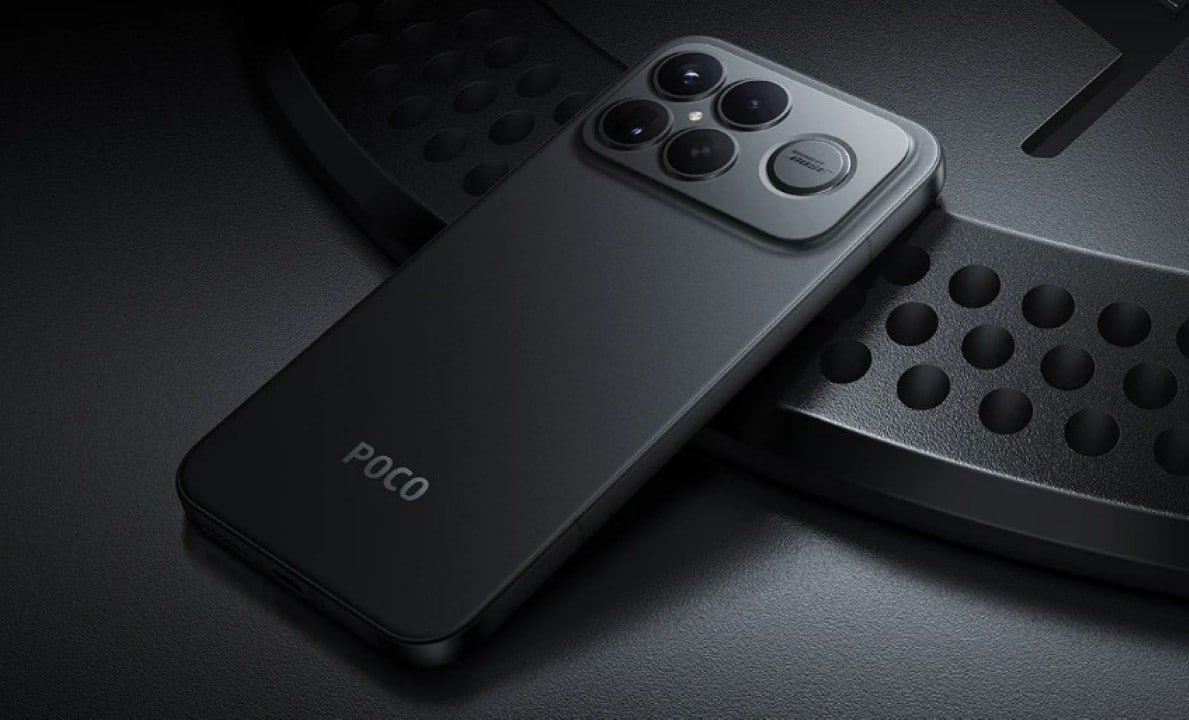
The electronic brain of these devices draws attention due to the presence of Qualcomm’s Snapdragon 8 Elite chip, which replaces the old 8 Gen series nomenclature and features an unprecedented architecture. This component delivers a significant leap in battery savings and in the execution of tools based on generative artificial intelligence. Added to this powerful engine, the phones hit the shelves with Android 16 installed from the factory, running under the HyperOS 3.0 visual layer to ensure prolonged updates.
Seeking to expand the usefulness of electronics, the Chinese company also revealed a series of tablets designed to talk directly to the new phones. The central idea is to create a unified digital environment, where the customer can transfer files and continue work from their cell phone to the larger screen instantly. Check out the central points that form the technical basis of this generation:
- Processing unit: Qualcomm Snapdragon 8 Elite on both models;
- Base software: Android 16 operating alongside the HyperOS 3.0 interface;
- Sound quality: Signature “Sound by Bose” for crystal clear reproduction;
- Communication between devices: Immediate synchronization with Poco Pad X1 and M1 tablets.
Screen size and power capacity of the Poco F8 Ultra
The most robust variant of the family was designed to showcase the manufacturer’s full engineering potential in the mobile communications segment. The front panel features a generous 6.9-inch OLED screen, operating at a very high resolution of 2608 x 1200 pixels. This display configuration guarantees a visual density capable of reproducing movies and competitive games with a level of detail and contrast higher than the industry standard.
One of the biggest attractions of this premium edition is the energy tank, which reaches an impressive 6,500 mAh. For comparison purposes, most competing luxury cell phones, such as those in the Galaxy S line, tend to limit their batteries to the 5,000 mAh range, which gives the Chinese device a clear advantage in screen-on time. High-speed charging is also included to recharge this giant cell in just a few minutes at the socket.
The image capture module was structured to attract users who produce material for social networks daily. The rear accommodates three different photographic sensors, while the front lens offers 32 megapixels to ensure maximum sharpness in virtual meetings and self-portraits. The external finish reinforces the sophisticated appearance of the product, which arrives in stores in Black and Jeans Blue.
Poco F8 Pro edition hardware and design attributes
The intermediate version of the line delivers the same processing capacity as its bigger brother, but adopts a more friendly chassis for handling with just one hand. The OLED display measures 6.59 inches and works at 1.5K resolution, delivering excellent image fidelity for the category. This is an ideal alternative for consumers who shy away from giant phones, but require total fluidity in heavy games.
The power reserve of the most compact edition registers 6,210 mAh, a number that still easily exceeds the current market average. This specification ensures that the user can spend the entire day away from power cables without any worries. In terms of photography, the equipment repeats the formula of three rear lenses and adopts a 20 megapixel front sensor, delivering competent results for daily use.
The range of visual options gains an interesting reinforcement in this version, allowing a more personalized choice at the time of purchase. The catalog offers the colors Black, Blue and Titanium Silver for those interested. This care with the external appearance aims to capture customers who see the smartphone as a fashion accessory, in addition to a communication tool.
Cooling Systems and Audio Partnership with Bose
Keeping the Snapdragon 8 Elite chip at an ideal temperature requires an advanced dissipation structure, and the brand solved this by applying LiquidCool technology with IceLoop 3D in the most expensive version. The mechanism covers a space of 6,700 mm² inside the chassis, using a convex shape to move heat away from the main board. This architecture prevents a drop in performance during long games, keeping the screen refresh rate always at maximum.
The sound department underwent a complete overhaul thanks to a commercial agreement signed with the American giant Bose. The “Sound by Bose” seal guarantees that both cell phones deliver high-level acoustic perception, both through the dual speakers and when connecting to headphones. The objective is to transform the phone into a true portable media center for consuming series and music.
Price table and expected arrival to consumers
Cost-benefit remains the manufacturer’s main weapon to steal customers from traditional brands. The most affordable model starts at US$579 in the configuration with 12 GB of RAM and 256 GB of space, reaching US$629 in the 512 GB edition. On the other hand, the most powerful variant is priced at US$729 (12GB + 256GB) and hits the US$799 mark for those who require 16GB of RAM and 512GB of storage.
A launch campaign temporarily cut starting prices, dropping the price tag to US$529 for the basic version and US$679 for the top edition. While the European and Asian public is already taking advantage of the news, Brazilians need to be patient and prepare their pockets. Taking into account import taxes and the national minimum wage of R$1,621 stipulated for 2026, the acquisition will require savings, but it still represents an advantageous deal compared to luxury devices sold in the country.
The global launch of these smartphones consolidates the company’s strategy of popularizing cutting-edge technologies. With the arrival of the Poco F8 Pro and Poco F8 Ultra equipped with Snapdragon 8 Elite and Android 16, the competition in the telephone market gains a new level of demand for direct competitors.





