

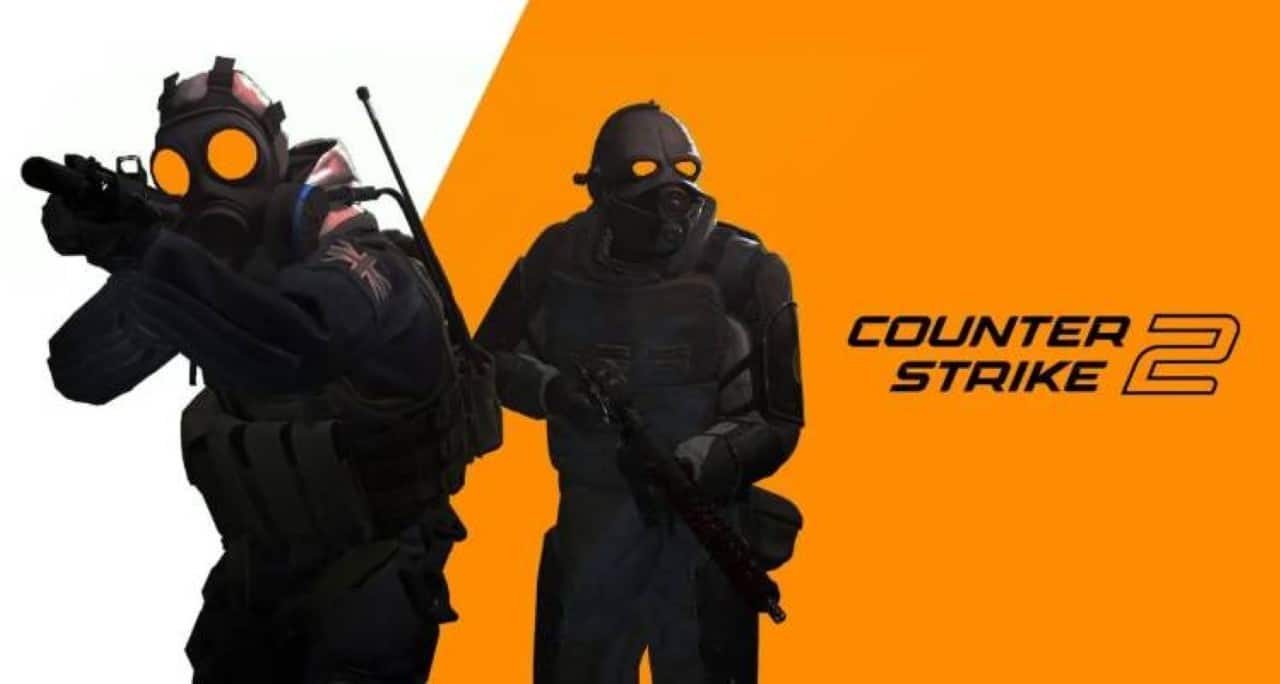
Epitácio “TACO” de Melo, internationally recognized for his historic achievements and two world titles in the Counter-Strike scene, consolidated a new phase in his career by focusing on creating digital content. Away from the big competitive stages for approximately twelve months, the Brazilian veteran transformed his live broadcasts into true virtual classrooms. During daily sessions, he shares advanced tactics, game reading and fundamental tips for enthusiasts who want to evolve in the FPS ecosystem developed by Valve, maintaining a direct connection with the community that has followed his victorious path.
On July 21, 2026, the former professional athlete kicked off an ambitious project to entertain his audience: a climb from zero to the 30,000 point mark in Counter-Strike 2’s Premier mode. This score represents the absolute top of the current game’s food chain, serving as the modern equivalent of the legendary “Global Elite” rank from the previous version of the franchise. To guarantee the authenticity of the challenge and prevent his fame from influencing the behavior of allies and opponents, the content creator decided to use a completely new and anonymous profile, seeking an experience identical to that of a common user.
The reality check in the first matches of the challenge
The expectation of a journey focused on mechanical skill and tactical overcoming quickly gave way to frustration in the series’ debut chapter. During the first official confrontation of the project, the influencer noticed serious anomalies in the behavior of users present on the server. It didn’t take long for the presence of individuals using cheating software to become evident, both on the opposing team and in their own squad, ruining any possibility of a fair and balanced dispute.
Known for his ethical stance within servers since the time he worked for large organizations, the Brazilian idol did not fail to notice that one of his allies was benefiting from illicit advantages, such as seeing enemies through walls. In an attempt to maintain the integrity of the match, he opened the voice communication channel and directly reprimanded the attitude. The veteran emphasized that the team had sufficient technical capacity to win cleanly and asked that the program be deactivated immediately, proceeding with a formal complaint from the user through the platform’s internal system.
Behind the scenes of the clandestine trade in ranked profiles
The most alarming development of the broadcast occurred when one of the offenders decided to openly interact with the former professional player via voice chat. Without any shame or fear of punishment, the user confessed to being part of an organization specialized in creating malicious code and selling high-level profiles. The term “30K”, often confused by the lay public with astronomical monetary values, actually refers to the maximum score in Premier mode, and these artificially inflated accounts are passed on in the parallel market for amounts that are around one hundred reais each.
This confession revealed a critical vulnerability in the security infrastructure of Valve’s title. The ease with which these groups operate creates a vicious cycle where cheating becomes a highly profitable business model, severely harming the honest user base who dedicate hours to improving their performance. The impact of this parallel industry goes far beyond a botched match, affecting the fundamental pillars that support the popularity of esports on a global scale.
- Devaluation of the ranking system, as the maximum score no longer reflects the player’s true skill and dedication.
- Exponential increase in community frustration, resulting in legitimate users abandoning the game who refuse to face cheaters on a daily basis.
- Direct financing of malicious software developers, who use profits from account sales to improve increasingly undetectable tools.
The final result of the first stage of the project was disappointing for the two-time world champion. Of the four matches played during the live session, three were completely invalidated due to the presence of confirmed cheaters. This chaotic scenario led to a scathing outburst from the content creator, who publicly demanded a more aggressive stance from the developer responsible for maintaining the virtual environment, warning that the current situation keeps new talents away from the scene.
The urgent need for core-level security tools
In his final statement to viewers, the veteran highlighted that the community has been calling for definitive solutions and suggested the implementation of a much deeper protection system. When mentioning an “invasive” format, the influencer makes direct reference to core-level technologies (kernel), similar to the Vanguard system used by competitor Riot Games in Valorant. This type of software operates in the deepest layer of the computer’s operating system, initializing along with the machine to prevent any illicit programs from being camouflaged before opening the game.
Although this type of monitoring raises heated debates about privacy and access to users’ personal data, digital security experts point out that this is currently the only technological barrier capable of stopping the evolution of modern illicit codes. Cheat developers can easily circumvent superficial systems, making the adoption of extreme measures a constant topic among professional players who depend on the integrity of the software to carry out their professions.
The long-term impact on the health of the competitive landscape
The former athlete’s final reflection highlights a crucial dilemma for the future of the first-person shooter franchise. He openly acknowledges that Valve has the billion-dollar financial resources and human capital needed to restructure Valve Anti-Cheat (VAC), transforming it into a relentless tool against fraud. However, the company has historically adopted a conservative stance regarding the invasion of its customers’ operating systems, preferring to invest in artificial intelligence and server-based behavioral analysis, methods that have so far proven insufficient to contain the wave of fake accounts.
The episode experienced by the national idol serves as a microcosm of the current state of high-level public matches in Counter-Strike 2. While the drastic measures are not taken off the ground, the ecosystem remains vulnerable to the action of clandestine organizations that profit from the destruction of other people’s experience. The community can only wait for the developer’s next steps, hoping that the appeal of influential figures can accelerate the implementation of a virtual environment where genuine skill once again becomes the only determining factor for victory.





