New SteamOS system update turns any computer into a desktop console
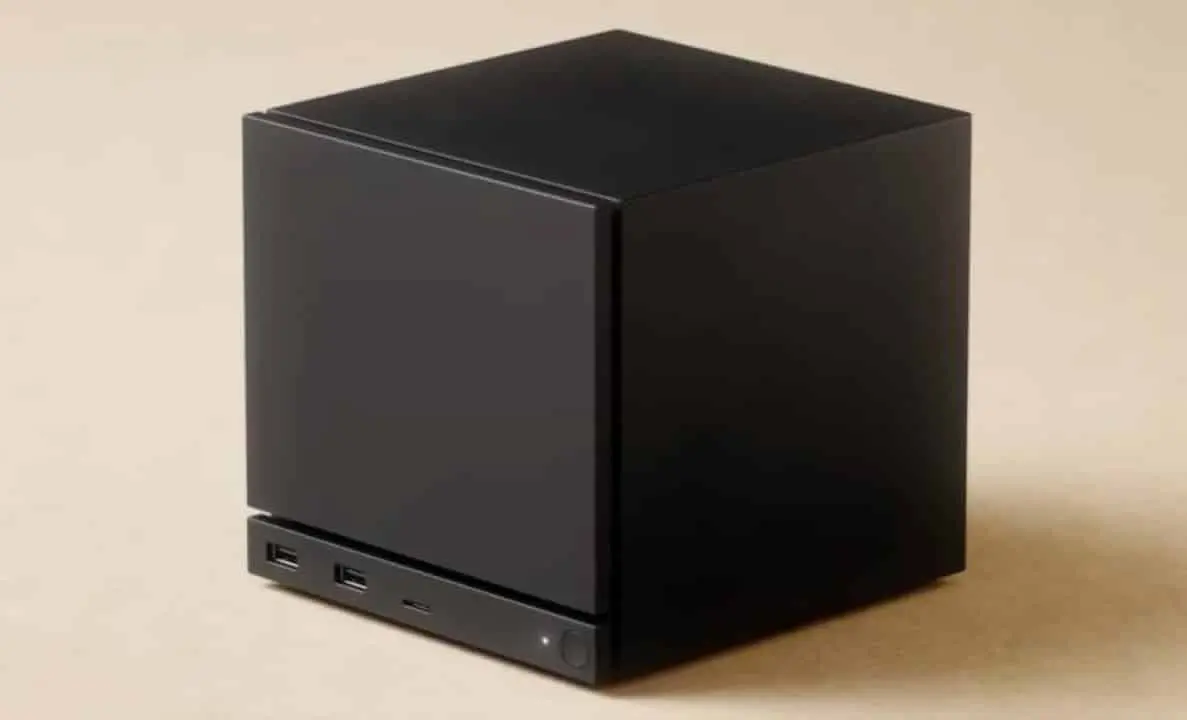
The digital gaming giant confirmed a drastic change in its software strategy, releasing the SteamOS operating environment for direct installation on computers built by users themselves. Starting with update 3.8, consumers gain the freedom to combine off-the-shelf components to create dedicated entertainment centers, reviving the concept of the old living room machines promoted by the company in the last decade, but now with an approach completely focused on system flexibility. This initiative transforms common cabinets into true home consoles, optimized to run the platform’s vast library without the need to rely on traditional productivity-oriented operating systems.
Compatibility advances with Intel and AMD processors
The recent update package, identified as version 3.8.10, introduces profound improvements in the software’s communication with modern processing architectures. Devices built with the latest chips made by Intel and AMD now talk natively to Valve’s interface, eliminating performance bottlenecks and hardware recognition failures that existed in previous tests. With this solid technical base, the corporation formalizes the invitation for the community to install the operating system on domestic machines, ensuring fluid navigation, efficient energy management and maximum extraction of the components’ firepower.

Learn more: Steam: Classic and modern RPGs go on sale with up to 90% off
During an interview with the North American portal The Verge, engineer Pierre-Loup Griffais detailed the internal efforts to adapt the interface, originally designed for the portable format, to the vast ecosystem of traditional desktops. The executive revealed that there is a task force dedicated to implementing official support for Nvidia graphics cards, a crucial step considering the brand’s absolute dominance in the global graphics hardware market. While full integration with GeForce GPUs will take time and may not be completed in the current calendar, the two companies maintain an active technical partnership to resolve code hurdles and ensure drivers work seamlessly in the Linux-based environment.
End of technical barriers to software installation
In the recent past, technology enthusiasts were even able to force software to run on customized hardware, but the situation was restricted almost exclusively to AMD components, which share the same architecture as the company’s laptop. The old method required extracting a recovery image designed specifically for the Steam Deck, resulting in a much more dense and frustrating setup process than simply installing conventional distributions. Anyone trying to perform the procedure using Intel processors or Nvidia graphics accelerators encountered critical startup failures, a lack of hardware acceleration and a broken graphical interface.
See Also

Neighbors rescue 4-year-old child after fall from 5th floor in Poland

Horoscope of the day: Predictions for Libra show a period of decisive agreements and professional success

Munich: Boeing 787 Vietnam Airlines scrapes its tail on takeoff and makes an emergency landing after taking off off the runway
Expanding the ecosystem beyond the handheld device
The developer’s current strategy aims to completely eliminate these architectural constraints, as pointed out by engineering project leaders. The central objective is to deliver a universal platform, capable of transforming any combination of parts into a high-performance gaming environment, definitively embracing users loyal to Nvidia technology. This movement represents a milestone in the democratization of access to the company’s services, proving that the optimized interface and game translation layer do not need to be confined exclusively to the Steam Deck casing.
On the same topic: Epic Games virtual store guarantees free access to major computer productions
- Independence from commercial operating systems to run high-budget titles with maximum performance.
- Possibility of reusing old computer parts to create a low-cost multimedia center for the living room.
- Direct access to the interface optimized for control navigation, eliminating the need to use a keyboard and mouse on the couch.
How the user experience works on televisions
Evaluating the current stage of development, the technical team guarantees that the available compilation already offers a level of stability comparable to that of traditional desktop consoles. To achieve the ideal result, the recommendation involves dedicating an entire computer to the system, using a single storage disk and avoiding dual boot configurations with other software. When connected to a television, this machine provides usability practically identical to that of a Steam Deck positioned on its official base, all that remains is the implementation of specific communication protocols, such as the HDMI-CEC standard, which in the future will allow connecting the TV and the computer simultaneously using just the video game controller.