
Nintendo closes Mario Kart Tour without offline version and reinforces warning about the digital market

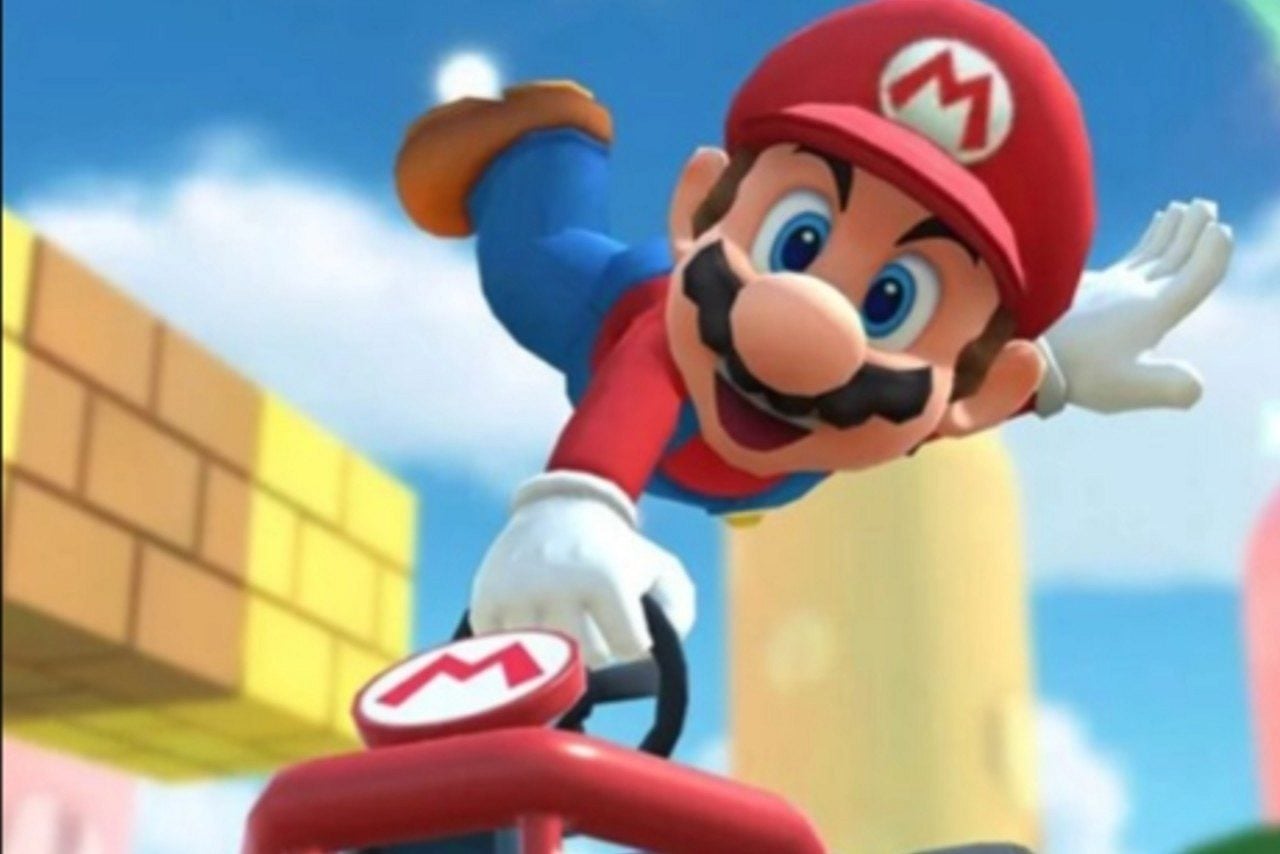
The trajectory of one of the Japanese giant’s most popular titles on mobile devices is numbered, raising debates about the ownership of virtual goods. The company confirmed that it will definitively shut down the online infrastructure of its famous racing game for cell phones on September 30, 2026. The drastic measure means that all the time invested, the characters unlocked and the achievements accumulated by users over almost a decade will completely disappear from the devices, with no possibility of recovery.
Originally launched as a major foray by the company into the lucrative applications sector, the work marked an era by adapting classic gameplay from desktop consoles to touch screens. However, from the stipulated shutdown date, the software will become an inoperative application. Consumers who try to open the program will only find connection error messages, marking the end of one of the brand’s rare bets on the pocket ecosystem.
The shutdown schedule and changes to internal purchasing
Available worldwide on September 25, 2019 for Android and iOS operating systems, the title quickly reached millions of downloads, driven by the strength of the franchise. Unlike other industry initiatives, the closure of activities will not include the creation of a mode that works without the internet. This makes it impossible for consumers to maintain access to the material they paid for during the seven years of active server operation, creating a vacuum in fans’ digital libraries.
To organize the transition until full closure, the application administration established a strict schedule for deactivating financial resources. The sale of the premium currency, known to users as Rubies, will be halted, preventing further injections of real money into the system. However, the balance already existing in players’ virtual wallets will remain valid and can be spent on cosmetic items until the last day of service operation.
The developers also used the official support page to detail the steps for the gradual closure of commercial operations within the platform, establishing a clear roadmap for the user base:
- Immediate blocking of new subscriptions to the monthly premium service.
- Free release of Gold Pass benefits for all active profiles from August 5th.
- Permanent suspension of the sale of virtual currency packages in application stores.
- Maintenance of the use of the existing balance in the accounts until the last minute of September 30, 2026.
Revolt on social media and comparison with other brand franchises
The official statement generated an immediate wave of discontent on forums and social interaction platforms. The main complaint from enthusiasts lies in the absence of an alternative to preserve progress, something that exposes the fragility of the monetization model based on microtransactions. Many consumers have expressed deep frustration at having invested significant amounts of real money into sweepstakes mechanics to obtain exclusive karts, gliders and racers, goods that now have a confirmed expiration date.
The refusal to provide an update that would allow racing against artificial intelligence offline was seen as disrespectful to the financial and emotional investment of the player base. The scenario takes on even more critical contours when experts recall that the same company adopted different stances in the past, offering adapted versions of other discontinued software to ensure that the public did not completely lose access to the universe created.
The global warning about the extinction of works in digital format
The tragic fate of the racing app illustrates a much larger problem that haunts the current generation of electronic entertainment. The erasure of complete works has become a recurring practice among large corporations, leaving consumers without any guarantee of ownership. An emblematic episode occurred in April 2024, when French producer Ubisoft shut down the servers of the open-world title The Crew. The action rendered physical disks completely useless and motivated global campaigns for consumer protection laws in the virtual environment.
The scenario becomes even more complex when we observe the movements of traditional hardware manufacturers. Industry reports indicate that Sony, responsible for the PlayStation family, is considering gradually eliminating the manufacturing of physical media by January 2028. This forced transition to an ecosystem exclusively dependent on downloads raises a red alert about what will happen when the virtual stores on these platforms are inevitably retired in the future, putting thousands of personal libraries at risk.
All these recent episodes reinforce a harsh legal and commercial reality of the contemporary market. When an individual purchases software in the modern era, whether on a desktop console or a smartphone, they are not purchasing a definitive product, but rather renting a temporary use license that can be revoked at any time. The decision to end activities on virtual tracks is just another reminder that preserving the history of video games faces increasing obstacles in the face of corporate policies.





