

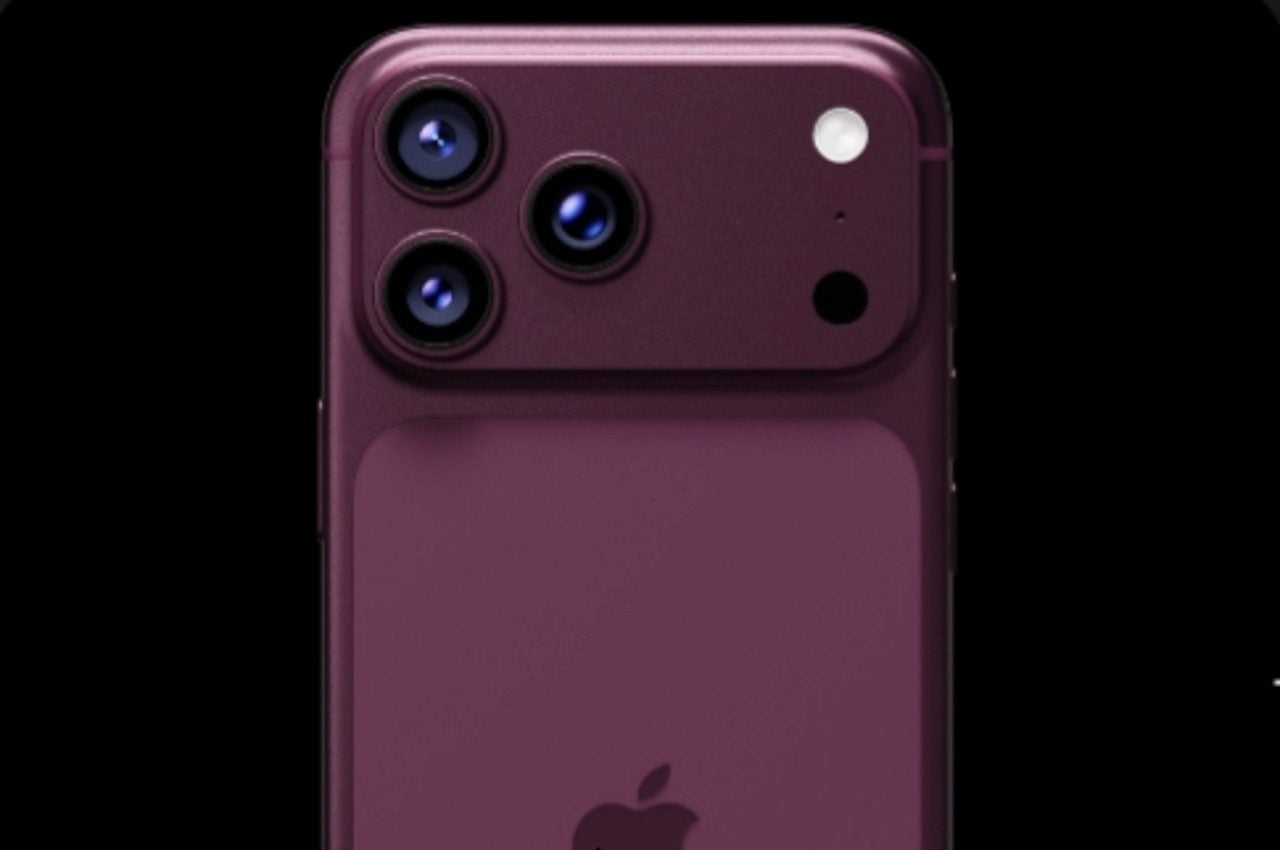
The technology giant Apple confirmed the launch of the long-awaited line of smartphones for September 2026, with absolute emphasis on the iPhone 18 Pro Max and the company’s debut in the flexible screen segment with the iPhone Fold. The brand’s most advanced model hits the market equipped with a two-nanometer A20 Pro processor and a robust 5,200 mAh battery. In addition to the processing hardware, the device introduces a 200-megapixel periscopic lens and a variable aperture system, promising to change the standard of image capture on cell phones. Starting prices for the top-of-the-line version start at US$1,199.
New lens system brings the cell phone closer to professional cameras
The new device’s photographic set represents the biggest hardware leap ever made by the American manufacturer in a single generation. The main lens now houses a 1/1.12 inch sensor, the largest ever integrated into a branded phone, which guarantees superior light capture in nighttime or low-light environments. The big news is variable aperture technology, a mechanical feature that allows you to adjust the light input in real time. This technical feature, previously restricted to dedicated photographic equipment, gives users precise manual control over the blurring of the image’s background.
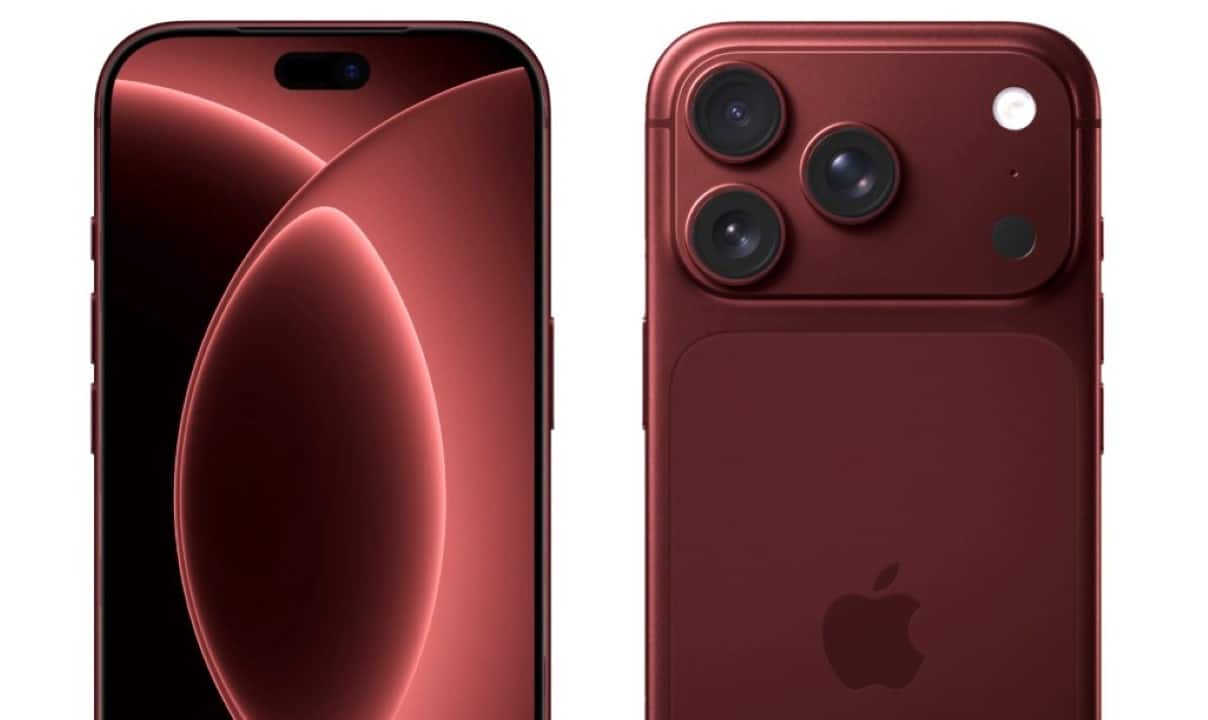
For zoom enthusiasts, the more expensive version offers an optical approximation without loss of quality through the 200 megapixel periscopic lens. The traditional Pro model adopts a different triple layout, combining a 48-megapixel main sensor, a 48-megapixel ultra-wide-angle lens and a 64-megapixel periscopic camera. Both high-performance phones use advanced artificial intelligence to correct colors, automatically adjust exposure, and process images right after the click. Video recording has also received significant improvements, now supporting 8K resolution at 60 frames per second across the entire professional line.
Changes to the front panel deliver thinner edges and intense brightness
The media consumption experience has been revamped with the adoption of LTPO Super Retina XDR OLED panels, manufactured using Samsung’s M16 technology, which currently leads the industry in color fidelity and peak brightness. The size of the screens has seen a slight increase, taking the Pro model to 6.3 inches and the Pro Max to an impressive 6.9 inches, the largest display ever placed on a company phone. To accommodate this larger usable area without compromising ergonomics, the manufacturer drastically reduced the screen’s top cutout. The edges around the glass have also been thinned, creating a feeling of almost total immersion during everyday use.
As the increase in physical dimensions could impact the weight of the product, the external structure continues to use aerospace titanium, a material that guarantees resistance against falls and keeps the device light in the hands. This engineering choice prevents muscle fatigue during long periods of reading or consuming videos. The fluidity of navigation is guaranteed by the ProMotion system, which dynamically adjusts the screen’s refresh rate up to 120 Hz. When the user views a static image, the frequency drops to the minimum possible, imperceptibly saving the device’s load.
Two-nanometer processor performance surpasses previous generations
The heart of the new phones is the A20 Pro processor, the first in the industry to be built on two-nanometer lithography, a milestone in component miniaturization. This microscopic advance in transistor manufacturing results in unprecedented operating speed, accompanied by extremely low power consumption. The gain in graphics performance reaches the mark of 45% in direct comparison with the A19 Pro chip from the previous year. To support heavy applications running simultaneously, the Max variant has 12 GB of RAM and internal storage options that reach 2 TB.
- The proprietary C2 modem replaces third-party components and optimizes signal reception.
- Factory support includes Wi-Fi 7, Bluetooth 6 and ultra-high-speed 5G connectivity.
- Satellite communication was expanded, allowing messages to be sent even in isolated rural areas.
- The energy capacity rose to 5,200 mAh in the larger version and 4,300 mAh in the smaller model.
- The extreme economy mode promises to keep the cell phone powered for up to 72 hours away from the socket.
The company’s internal testing documents indicate that the union between the physically larger battery and the thermal efficiency of the new silicon solves one of the biggest problems facing modern consumers. Even under intense use, with maximum brightness and constant navigation, the device can get through a full day of work without needing to be recharged.
Flexible device marks the company’s response to Asian competitors
After years of speculation and registered patents, the market will finally see the iPhone Fold, the definitive bet to rival Samsung’s hegemony in the flexible screen sector. The chosen format features a 5.5-inch external display, which works exactly like a traditional cell phone when closed. When opening the device, the user is faced with an internal 7.8-inch OLED panel, transforming the phone into a small tablet. Engineering focused intensely on developing an exclusive hinge, designed to eliminate the central crease on the screen, a constant complaint from owners of the Galaxy Z Fold 6 and other similar devices.
The internal hardware of the foldable model does not skimp on power, inheriting the same A20 Pro chip, 12 GB of RAM and a maximum capacity of 2 TB of space. The rear photographic set is double, but maintains the powerful 200 megapixel main sensor. A curious design change was the removal of facial recognition, replaced by a Touch ID fingerprint reader embedded in the side power button, a decision made to slim the thickness of the case. The suggested price of US$2,000 makes it clear that the focus of this product is the very high-income public who seeks exclusivity.
Operating system brings artificial intelligence processed on the device itself
The entire new line will leave the factory running iOS 27, a software update built from scratch to house generative artificial intelligence functions. The virtual assistant Siri has undergone a complete redesign, becoming capable of holding natural conversations, understanding the context of previous questions and performing complex tasks within applications. The native photo editor gains tools to erase unwanted people from the background, expand cropped scenes and correct face lighting with a single touch. The virtual keyboard also learns the owner’s writing style to suggest complete and personalized responses in the messaging app.
The big difference in the software approach adopted by the manufacturer is the absolute focus on data privacy. Unlike other platforms that send information to the cloud, most of the artificial intelligence processing occurs locally, within the cell phone chip itself. This architecture reduces dependence on external servers, ensures that personal information is not intercepted and allows several intelligent functions to operate seamlessly even when the device is not connected to the internet.
Official values and arrival schedule in stores worldwide
The official calendar stipulates that all models will hit global shelves in September 2026. This generation’s color palette abandons pastel tones and opts for more sober options, including dark cherry, light blue, gunmetal gray and the traditional silver. The pricing strategy was designed to cover different ranges of the premium segment. The base model of the iPhone 18 will cost US$899, while the iPhone 18 Pro will cost US$1,099. The Pro Max version, aimed at content creators, will cost US$1,199, and the innovative folding model will close the catalog at US$2,000, establishing a new cost level in the mobile phone market.





