
New Colombian leader cuts ties with dictatorships and promises embassy in Jerusalem

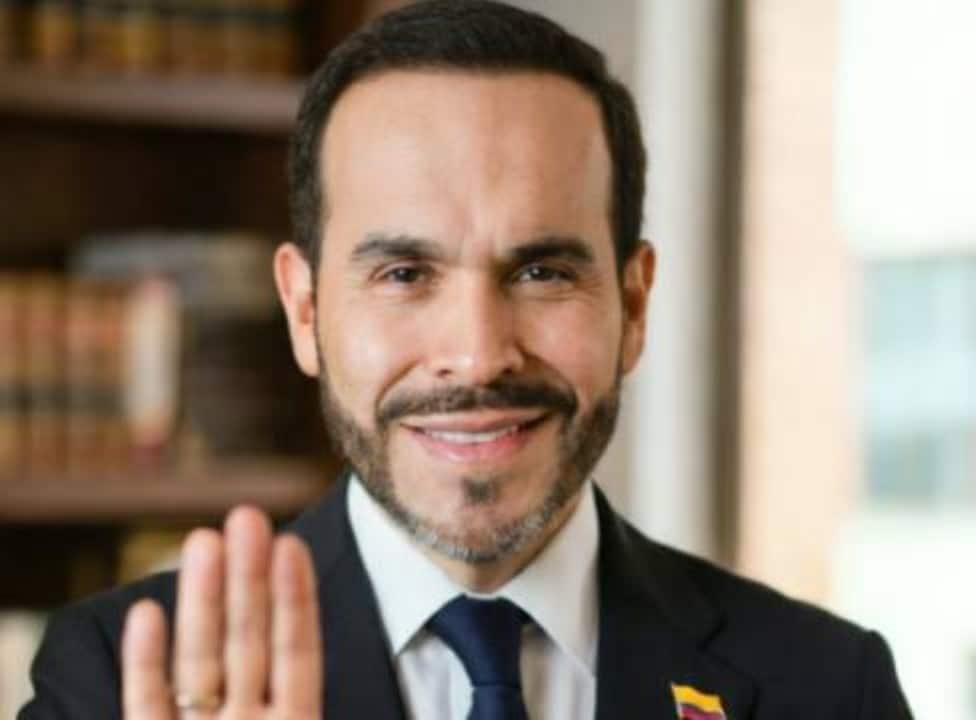
The political scenario in South America is undergoing a profound reconfiguration following the statements made on July 26, 2026 by the future Colombian president. Abelardo de la Espriella confirmed that his first official act, shortly after taking office on August 7, 2026, will be the definitive severing of any diplomatic relationship with the governments of Cuba and Nicaragua. The measure represents a complete turnaround in the way the Andean country interacts with nations accused of democratic violations and suppression of civil liberties.
New guideline for Colombian international representations
Aligned with the political spectrum of the conservative right, the newly elected leader used his digital platforms to emphasize that his administration will reject any proximity to authoritarian regimes. The action plan involves the immediate closure of 14 embassies and 15 consulates around the world. This restructuring directly affects the service network for citizens abroad and the flow of bilateral business with countries targeted by the diplomatic blockade, requiring a mass repatriation of public servants.
Historically, Bogotá’s diplomacy maintained open channels even with nations with divergent ideologies, often acting as a mediator in regional conflicts and facilitating peace dialogues. The decision to isolate Havana and Managua puts the country in a position of direct confrontation with the Latin American left-wing bloc. This movement changes the balance of forces in the Organization of American States and in other multilateral forums, where Colombia will adopt a strict stance on human rights.
Headquarters transfer and renewed alliance in the Middle East
Another pillar of the new international strategy involves the State of Israel, with which the new government plans to establish a priority, long-term partnership. The most ambitious project on this front is the installation of an official Colombian embassy in the city of Jerusalem. This diplomatic movement has considerable geopolitical weight, given that the overwhelming majority of nations maintain their main representations in Tel Aviv to avoid friction with the Arab community.
The status of Jerusalem remains one of the most complex issues in international law and negotiations in the Middle East. While Israeli authorities consider the city their indivisible capital, housing the parliament and the Supreme Court, the Palestinian leadership claims the eastern portion of the territory to establish the headquarters of a future independent state. By transferring the embassy, the Colombian government takes a clear side in this historic dispute, aligning itself with Western powers such as the United States.
Break with the guidelines of the previous mandate
The diplomatic turnaround erases the guidelines established by the current Chief Executive, Gustavo Petro, marking a transition of power with radical changes. During 2024, the progressive leader suspended all agreements with the Israeli government as a form of protest against the military operations carried out in the Gaza Strip. The inauguration scheduled for the beginning of August 2026 will serve as ground zero for the reversal of this removal policy, resuming dialogue on the first day of work.
Before the rupture promoted by Petro, the Colombian Armed Forces depended heavily on weapons technology, intelligence systems and training provided by Israeli defense companies. The resumption of these commercial and military ties is seen by security analysts as a fundamental step towards re-equipping the local army. Colombian troops still face daily internal challenges fighting illegal armed groups, remaining guerrillas and large drug cartels.
The worsening of the democratic crisis in Nicaraguan territory
The justification for Nicaragua’s isolation gained strength after recent statements by Daniel Ortega, who rules the Central American country with an iron fist. The current Nicaraguan leader declared the definitive suspension of electoral processes, eliminating the election that was scheduled to take place in 2027. The political maneuver suppresses the last vestige of popular participation in the choice of local rulers, making official the absence of alternation of power.
In power uninterruptedly since 2007, after having already governed in the 1980s, Ortega consolidated absolute control over the judiciary, the legislature and the security forces. The abolition of elections formalizes a one-party system, closing the door to any legal opposition. This radicalization has increased the flow of political exiles, journalists and activists seeking refuge in neighboring countries, generating a migration crisis in the central region of the continent.
Summary of foreign policy changes from August
The package of measures announced by Abelardo de la Espriella’s transition team establishes a strict schedule for the reconfiguration of foreign relations. The actions were designed to have an immediate impact on the international community and signal to foreign investors the State’s new ideological orientation.
- Total closure of diplomatic and consular activities with the governments of Cuba and Nicaragua.
- Deactivation of dozens of Colombian representation posts abroad to adapt the budget.
- Immediate reestablishment of technical, military and commercial cooperation treaties with the State of Israel.
- Beginning of legal and logistical procedures for the opening of the new embassy in the city of Jerusalem.
Executing this planning will require a coordinated effort by the Ministry of Foreign Affairs to relocate diplomats, cancel property leases abroad and deal with expected retaliation from affected countries. The Colombian diplomatic corps is now going through a period of accelerated transition to implement the guidelines that will redefine the nation’s image on the global stage for the coming years.





