
Nintendo reveals Zelda Ocarina of Time remake and RPG expansion on Switch 2


The Japanese video game giant broke a long silence on June 9, 2026, holding its first major official broadcast since the end of the previous year. During the digital event, the company surprised the public by demonstrating a massive focus on the ecosystem of its next hardware. The initial catalog of the new console promises to correct one of the biggest criticisms of the last generation: the technical difficulty in receiving major games from partner studios. With this, fans witnessed the confirmation of dozens of complex titles arriving on the platform. In addition to unprecedented partnerships, the presentation highlighted the return of legendary franchises that helped shape the entertainment industry in recent decades.
The impact of recent blockbusters arriving on new hardware
Historically, the original hybrid device struggled to run contemporary open-world adventures, often forcing the use of cloud-based versions that relied on ultra-fast connections. Now, the updated architecture allows award-winning works to run natively and with optimized performance. This paradigm shift was evident with the revelation of adaptations highly requested by the gaming community.

The conversion schedule ranges from dark fantasy adventures to science fiction, ensuring varied options for the first months of the system’s life. The following titles already established on the market have had their portable versions confirmed:
- Lies of P: Neowiz’s acclaimed title, inspired by the Pinocchio universe with punishing combat, launches on August 6th.
- RuneScape: Dragonwilds: The definitive version 1.0 of this survival project will be released on September 15th, leaving the early access period for computers.
- Dragon’s Dogma 2: The Dark Arisen expansion of Capcom’s epic comes to life on the device starting October 9th.
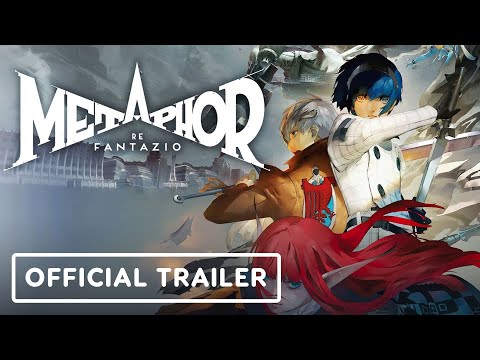
- Metaphor: ReFantazio: The acclaimed Atlus project is guaranteed to premiere on November 12th.
- Stellar Blade: The former PlayStation ecosystem exclusive, created by developer Shift Up, finally breaks the original barriers and reaches hybrid format in 2026.
This wave of conversions demonstrates the manufacturer’s aggressive approach to large Asian and Western developers. The commercial strategy aims to ensure that buyers of new equipment are not left out of debates about today’s best launches, something that frequently happened in the previous generation.

Simultaneous launches show the strength of the updated ecosystem
In addition to highlighting recent successes, the broadcast served to align the manufacturer’s calendar with competing giants in the technology sector. Multiplatform projects that would previously skip the portable console will now have simultaneous releases, ensuring date parity. This means consumers will no longer have to wait months or years for late adaptations of inferior quality.
The list of new features that will arrive on the same day as the computer and desktop console versions was impressive in terms of its graphic scale. The event detailed the following global premieres:

- Onimusha: Way of the Sword: The return of the classic samurai franchise takes place on September 25, 2026.
- Final Fantasy Resonance: A new HD-2D visual bet from Square Enix is scheduled for release on October 22nd.
- Dragon Quest Monsters: The Withered World: The derivative focused on capturing and training creatures hits stores on December 3rd.
- Lords of the Fallen 2: The Dark Fantasy Sequel is slated for a Fall 2026 release date.
- Kingdom Hearts 4: After a long period without updates since May last year, the long-awaited fourth main chapter confirmed its presence on the platform with a new trailer.
The inclusion of these works in the official schedule reinforces the technical capacity of the new device. Studios developing heavy graphics engines for rugged desktop machines now see immediate technical viability in the portable environment, eliminating the need to create stripped-down versions of their core products.
Exclusive projects promise to boost initial system sales
No platform survives solely on third-party games, and the company’s internal teams prepared major announcements to support hardware sales. The great asset of the presentation was the confirmation of a project that had been in the imagination of fans for decades. It is a complete recreation of The Legend of Zelda: Ocarina of Time, developed from scratch to get the most out of the new processor and confirmed as an absolute exclusivity to the system.

Another revelation that moved social media was Xenoblade Genesis, an unprecedented chapter that expands Monolith Soft’s vast science fiction universe. Unlike adaptations from partner studios, this work is being shaped internally to take advantage of specific features from the next generation, with arrival scheduled for 2027.
Content expansions keep the player base engaged
While the spotlight shone on the new titles and grandiose remakes, the event’s management also reserved space for extending the lifespan of already established hits. Virtual monster trainers got some great news with the announcement of a robust expansion pack for Pokémon Pokopia, adding new explorable areas and never-before-seen creatures to the base map.
This type of extended support demonstrates ongoing commitment to active communities that invest hundreds of hours in a single universe. By balancing nostalgic remakes, heavy conversions from other platforms and substantial expansions, the Japanese manufacturer paves a solid path for the generational transition, ensuring that the role-playing genre is the central pillar of its next era in the digital entertainment market.






