

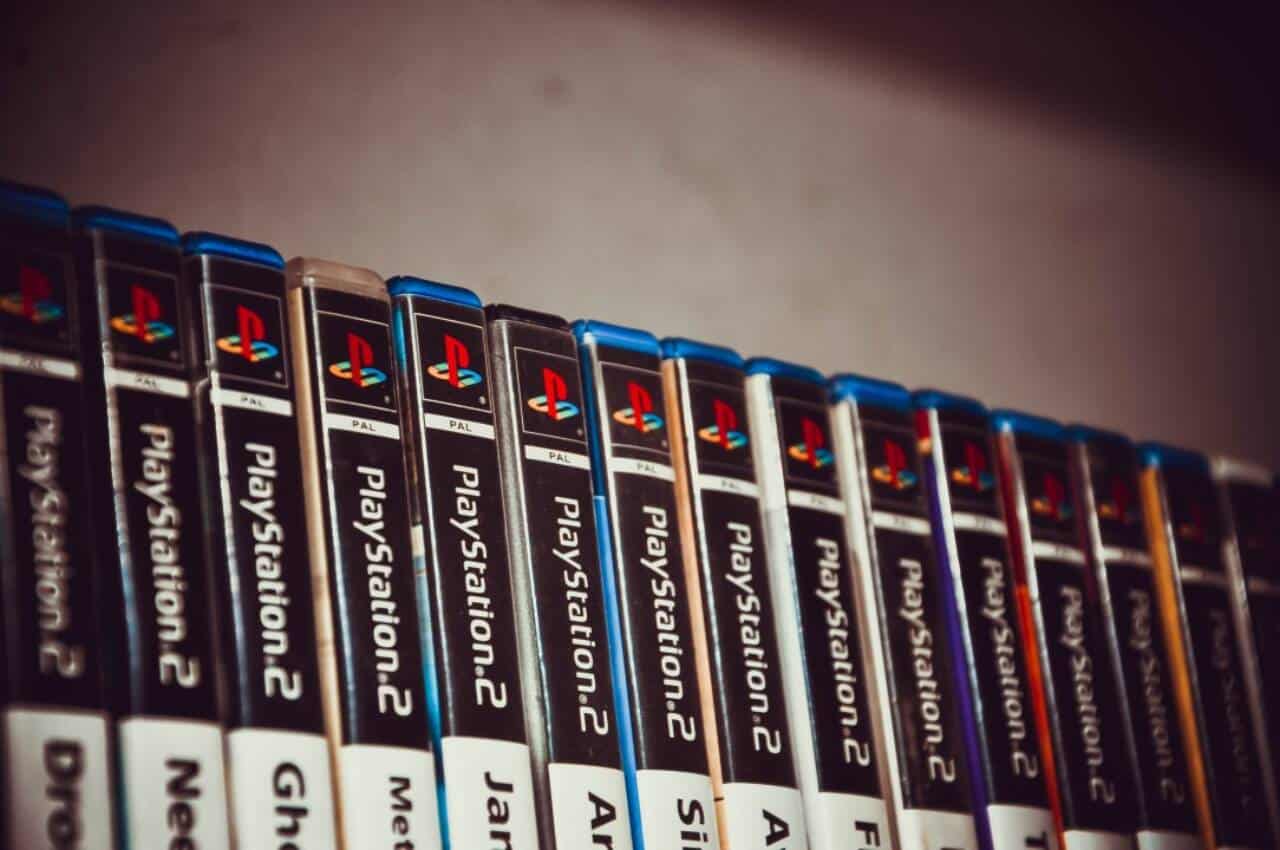
In July 2026, Sony surprised the gaming market by announcing the end of production of physical discs for new PlayStation releases from January 2028. This decision, which moves the company to an exclusively digital model for future titles, contrasts with a famous campaign from more than a decade ago, where Sony mocked the restrictive game sharing policies of its rival, Xbox.
In 2013, PlayStation released a short video that demonstrated the simplicity of sharing games on your console.
The scene showed then-Sony executive Shuhei Yoshida handing a disc to his colleague Adam Boyes, a simple gesture that was interpreted as a direct dig at Microsoft’s Xbox’s strict game-sharing policies.
That same year, Jack Tretton, former president and CEO of Sony Computer Entertainment America, stated at a conference: “Trade the game at retail. Sell it to someone else. Lend it to a friend, or keep it forever. When a gamer buys a PS4 disc, they have the right to use that copy of the game.”
This speech was applauded and contributed to intensifying the negative reaction that led Xbox to reverse its more restrictive policies.
Now, in the eyes of many, Sony itself is becoming the “villain” it criticized.
PlayStation said the manufacture of physical discs for new games on its consoles will be discontinued from January 2028, making all future releases digital-only.
Boxed retail versions, if sold, will come with a download code instead of a disc.
One of the first major titles to adopt this new format is the highly anticipated Grand Theft Auto 6, from Take-Two Interactive and published by Rockstar Games, scheduled for release this year.
From a financial point of view, the measure benefits Sony. By boosting digital sales, the company reduces the need to manufacture physical boxes and discs, which considerably improves its profit margins.
Michael Pachter, managing director of planning at Wedbush Securities, said the move will save Sony some money, but “there’s no doubt the consumer pays the price in terms of fewer options.”
A physical disc can be resold, exchanged, lent to friends, given as a gift, kept on a shelf or preserved even after a digital store closes. A download code offers none of these possibilities.
Without physical discs, gamers lose the ability to buy used games cheaper or get money back from titles they’ve already finished. The change will give Sony stricter control over where games are sold, when they are offered at a discount, and how long consumers will have access to them.
“This is a truly ironic turn of events,” said Kazunori Ito, director of equity research at Morningstar. He said Sony gained public goodwill in 2013 by presenting physical discs as the “simple, consumer-friendly option.”
On YouTube, gamers recalled old Sony videos with bitter comments such as: “It’s like watching your wedding video after your divorce” and “Oh, how the mighty have fallen.”
Existing physical games and titles released on disc before the cutoff date will not be affected by the decision.
“This is an extremely anti-buyer decision that has no legitimate justification and communicates a disdain for gamers in its ecosystem,” said Michael Futter, co-founder of video game consultancy F-Squared.
For Futter, the issue lies in the fact that consoles represent closed ecosystems, under the control of the platform owner. On PC, players can purchase games from other marketplaces, such as Steam or the Epic Games Store.
Futter stated: “Sony would like us to believe that the transition from the PC market to digital is exactly the same thing as consoles going that way. It simply isn’t.”
“There is an important difference between players accepting this change because they see value in it, and having it effectively imposed on them by taking away the alternative,” said Kazunori Ito, director of equity research at Morningstar.
Sony and PlayStation did not respond to requests for comment on the matter.
Impacts of the decision on the game resale market
Sony’s decision has direct consequences for the second-hand gaming economy. Dataintelo estimates that the global market for used gaming platforms, including titles, consoles, accessories and peripherals, was worth US$7.2 billion in 2025 and is expected to reach US$13.8 billion by 2034.
“Realistically, at least a third of games were historically sold as used, and games sold used also provided currency to the player who traded them for cash to pay for new games,” Wedbush’s Pachter said. He added: “Physical gaming retail is doomed.”
Although older games can still circulate even after disc production ends, the same does not happen with digital versions.
Morningstar’s Ito predicts that the secondhand games market will “continue to shrink and eventually disappear.”
According to Futter, developers will have less flexibility to apply discounts compared to PC platforms, where games can be sold on stores like Steam, Epic Games Store and GOG.
However, Sony defenders may argue that the market has changed since 2013. Sony’s results for fiscal year 2025 showed that revenue from physical games for PlayStation 4 and 5 is almost 10 times less than revenue from digital downloads of full games.
Sony said the decision is a “natural direction for Sony Interactive Entertainment to adapt to consumer trends as the overall preference for digital media significantly outpaces physical discs.”
Philippe Tremblay, an executive at Ubisoft, said in 2024 that players should get used to “not owning their game”, which provoked a huge negative reaction among consumers.
Sony also recently announced that PlayStation Store purchasing for PS3 and PS Vita will end in most countries in July 2027.
Additionally, more than 500 previously purchased films will be removed from PlayStation users’ libraries due to licensing agreements, with Sony not mentioning any type of compensation.
Even so, some expressed concern about the possible future implications of this measure.
“What’s to stop PlayStation from taking the same actions with the games we buy?” asked Futter.
Ito also expressed his concern.
“There is an important difference between players accepting this change because they see value in it, and having it effectively imposed on them by taking away the alternative,” he said.
He added: “Most would prefer to make this transition in their own way and at their own pace, rather than being driven by the end of physical records.”




