Apple changes strategy for 2026 and prepares $2,000 foldable cell phone
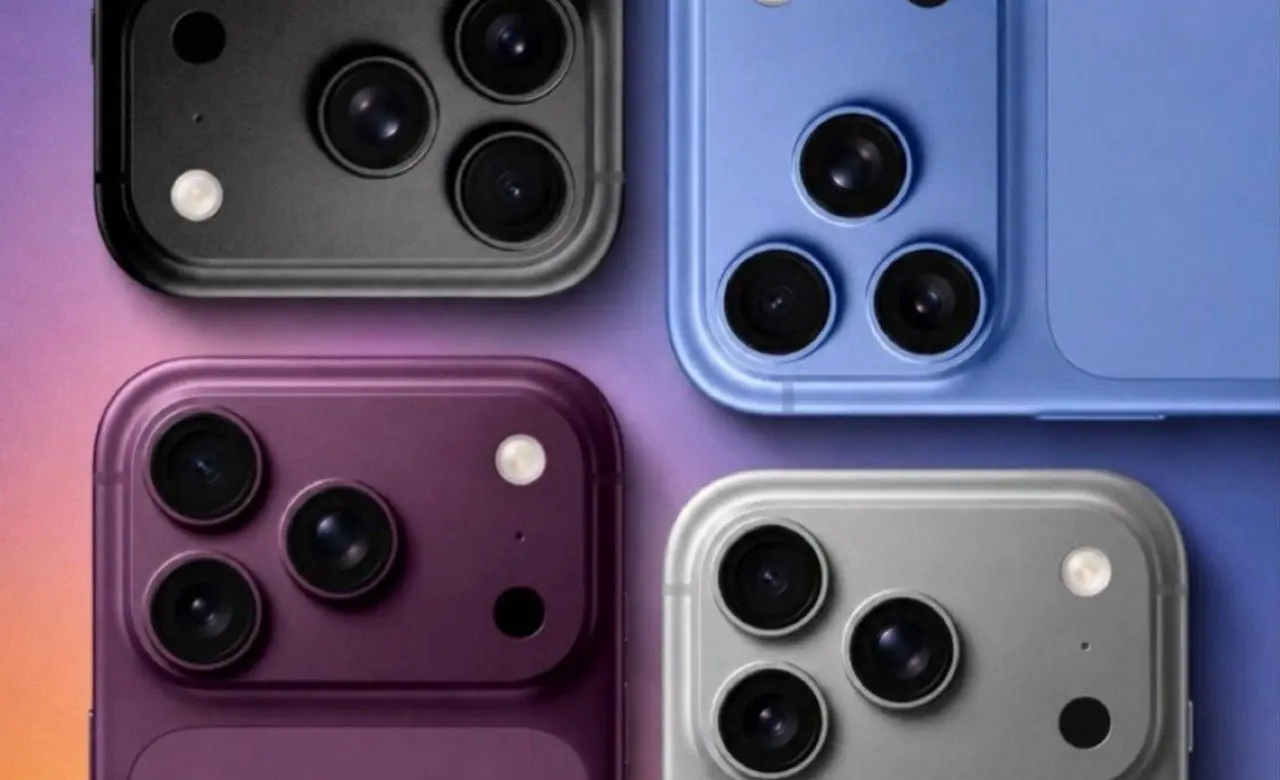
The global mobile phone market is already starting to speculate about Apple’s next steps, despite the current generation having just hit stores. Information circulating in supply chains indicates that the 2026 line will bring a paradigm shift for the manufacturer. The central point of this revolution will be the introduction of the brand’s first smartphone with a flexible screen, a project that has been debated by technology sector analysts for several years.
In addition to the new format, the Cupertino-based company is preparing significant reformulations for its traditional high-performance devices. Consumers of the iOS ecosystem should experience notable advances in both the design and processing power of the more expensive versions. Internal reports suggest a drastic change in the commercial calendar, dividing the dates of arrival on shelves between the most affordable options and premium category devices.

This expectation surrounding future launches moves not only Apple enthusiasts, but also large retailers and telecommunications providers across the planet. Companies in the sector, such as Rakuten Mobile, are already evaluating the impact that the high demand for the first units will have on their digital platforms. The volume of simultaneous accesses during the opening of reservations tends to overload the databases, requiring robust technical preparation to avoid system crashes.
High price and Asian competition shape the development of flexible cell phones
In Silicon Valley laboratories, the foldable screen project is given tentative names such as iPhone Fold or iPhone Ultra. The launch represents a calculated response to the dominance of Asian manufacturers, who have already consolidated products such as Samsung’s Galaxy Z family and Huawei’s premium models. The tactic of waiting for an innovation to mature before implementing it follows the same guide used by the American company during the transition to 5G networks.
| Model | Announcement date | Reservation start date (pre-sale) | Release date | Days between listing and booking |
|---|---|---|---|---|
| iPhone 14 | Wednesday, September 7, 2022 | Friday, September 9, 2022, at 9 pm | Friday, September 16, 2022 | 2 days |
| iPhone 15 | Tuesday, September 12, 2023 | Friday, September 15, 2023, at 9 pm | Friday, September 22, 2023 | 3 days |
| iPhone 16 | Tuesday, September 10, 2024 | Friday, September 13, 2024, at 9 pm | Friday, September 20, 2024 | 3 days |
| iPhone 17 | Tuesday, September 9, 2025 | Friday, September 12, 2025, at 9 pm | Friday, September 19, 2025 | 3 days |
| iPhone 18 (expected) | September 8 or 9, 2026 | Friday, September 11, 2026, at 9 pm | Friday, September 18, 2026 | 2 to 3 days |
The billion-dollar research and development costs of this new hinge and flexible panel will directly impact the consumer’s pocket. Financial projections indicate that the innovative model should cost more than US$2,000 on the international market, a value that places it above even versions with 1 TB of storage currently sold. This level of charging turns the device into a luxury item, testing the public’s loyalty in the face of such a profound visual change.
Learn more: Radical changes to the iPhone 18 Pro design include under-screen biometrics
The conventional Pro and Pro Max editions will also undergo considerable adjustments to their sales tables. The increase in semiconductor production and inflationary pressure on global logistics justify this upward trend. Given this economic scenario, users who plan to purchase equipment from 2026 will need to start rigorous financial planning now to guarantee the purchase in the month of launch.
Sales calendar breakdown focuses on profitability of more expensive models
Journalist Mark Gurman, known for his precise sources within Apple, revealed an atypical strategy for the 2026 generation. The official presentation of the most powerful devices should take place between the 8th and 9th of September of that year. However, initial sales will only focus on the Pro, Pro Max variants and the long-awaited version with a folding display.
On the other hand, the most basic options, including a possible iPhone 18e, will have their production intentionally postponed. Corporate planning indicates that these cheaper cell phones will only reach retail in the first half of 2027, replicating the historical launch window of the SE line, but now applied to entry-level models. This separation of dates helps the manufacturer to optimize the capacity of its assembly plants and direct marketing towards products with the highest profit margin.
The change in schedule reflects the complexity of manufacturing electronics with cutting-edge parts on a large scale. As assembly relies on Asian suppliers for critical components, inventory control has become a logistical challenge. By focusing first on the premium line, the corporation ensures that customers willing to pay more receive their devices without facing months of waiting in virtual queues.
More on this story: Apple prepares iPhone 18 Pro with advanced camera and launches first Ultra foldable in 2026
See Also

Electrical discharge knocks man off roof in Jaguaruana after contact with power lines

Global auction raises US$11.9 million and Brazil’s historic currency reaches record value

Former fighter Prichard Colón dies at age 33 after decade in a vegetative state
Hardware advances include smaller chips and variable aperture cameras
The leap in performance of this new family of cell phones will depend on a processing architecture that is unprecedented in the consumer market. The company’s engineers work to develop components that drastically reduce battery consumption, while increasing computing power. Recent leaks have detailed the specifications that will differentiate the top-of-the-line models from the entry-level versions.
The improvements range from the expansion of satellite communication to the restructuring of biometric sensors, including a superior optical set. The strongest features expected for the Pro series include:
- A20 Pro processor manufactured by TSMC with 2 nanometer lithography, ensuring greater thermal efficiency.
- Implementation of the C2 modem, designed internally by Apple to reduce dependence on external suppliers.
- Main camera with variable mechanical aperture system, allowing physical control over the entry of light.
- Reduction of the notch on the screen and transfer of the Face ID sensors below the light panel.
- Introduction of a new color option for the chassis, known internally as Dark Cherry.
The transition to TSMC’s 2-nanometer process represents a milestone in semiconductor manufacturing, leaving behind the current generation’s 3nm limit. This miniaturization of circuits will result in much greater energy autonomy, directly benefiting those who play heavy games or record high definition videos. The proprietary modem, in turn, promises to stabilize the data connection even in areas with poor operator coverage.
On the same topic: Rumors point to the arrival of Apple’s first foldable cell phone and the new look of the Pro line
The repositioning of facial recognition responds to a long-standing request from users for a screen without visual interruptions. Hiding the dot projectors under the OLED display requires the development of glass capable of allowing infrared light to pass through perfectly. With this design change, the front of the device will take on a clean aesthetic, maximizing the usable area for media consumption.
Digital preparation will be essential to guarantee the first units in stores
Apple’s method for organizing pre-sales follows a script that has been predictable for several generations. Analyzing the company’s behavior since the arrival of the iPhone 14, reservations always start on a Friday. The time chosen by the head office usually generates simultaneous traffic spikes that temporarily bring down the websites of commercial partners in several countries.
Considering the forecast of an announcement in the first half of September 2026, the distribution calendar is clear. The carts should open on September 11th, with physical deliveries starting on the following Friday, the 18th. Consumers who want to sport the equipment on launch day will need to act quickly as soon as the system releases stock.
Telephone company platforms require prior preparation to avoid frustrations at the payment stage. Customers of operators like Rakuten Mobile are recommended to access their accounts hours before the scheduled time. Leaving your credit card details validated and the delivery address confirmed eliminates loading screens that often result in transaction failures.
The competition for the first boxes of the folding model promises to be the most intense in the brand’s recent history. The novelty factor immediately attracts an audience focused on cutting-edge technology, willing to shell out exorbitant amounts of money without hesitation. Organizing your schedule and ensuring a high-speed internet connection at the exact time sales open will be fundamental steps to successfully complete the purchase.
More on this story: Apple prepares iPhone 18 Pro and foldable model to revolutionize the market in 2026