
End of exclusivity: Square Enix will release final Final Fantasy VII for all consoles and PC

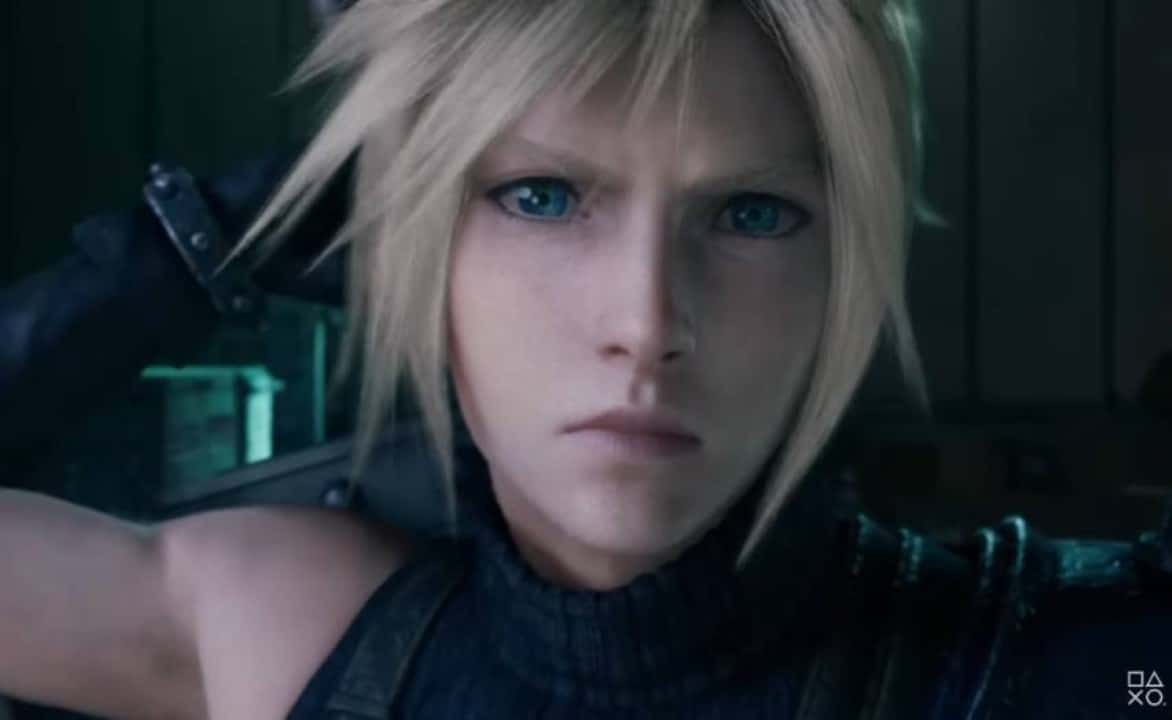
Japanese giant Square Enix has decided to radically change its commercial tactics for the next calendars. The outcome of the long-awaited trilogy that recreates the iconic Final Fantasy VII will not be restricted to a single video game for a limited time. This new approach ensures that the adventure reaches several devices and computers simultaneously on its release date. The main objective of this maneuver is to reverse the below-expected sales performance that marked the previous stages of the saga.
The company’s new guidelines determine that the work will be available on the same day for desktop devices and PCs. This tactic of embracing a wider variety of systems highlights the urgency in capturing a much wider player base from the beginning. The board noted that locking a major launch to just one manufacturer stifles revenue in the first few weeks, something unsustainable for modern projects that today easily exceed the 200 million dollar mark in production budget.

The current roadmap distances the company from the restrictive contracts that have dominated the digital entertainment market over the past decade. By placing the title in all possible virtual showcases, the corporation aims to optimize profit and prevent the division of the fan base, as many lost their excitement after waiting months on end for adaptations to their preferred machines.
New financial strategy aims to save major studio productions
The transformation in the way its biggest hits are sold is part of a profound structural reform within Square Enix. The top management concluded that super productions, which require years of work and colossal investments in advertising, can no longer make a profit if they are tied to just one ecosystem. Migrating to an aggressive multiplatform distribution is the solution found to reduce financial dangers and establish a safer and more constant cash flow.
Recent fiscal statements from the Japanese giant showed that the checks paid by console manufacturers to guarantee exclusivity do not cover the hole left by the absence of direct sales on other devices. This new reality forces programmers to design the software architecture to run on different hardware from the first draft, cutting costs and time that would be wasted with late adaptations.
How device restrictions harmed the previous parts of the saga
The inaugural chapter of this modernization project, which hit stores in 2020, was initially marketed only to PlayStation 4 owners. Those who owned other machines had to be patient for more than twelve months to enjoy the journey, which later gained an improved edition on the PlayStation 5 and, much later, on computers. This long hiatus caused irritation among a significant portion of the community and cooled the engagement generated by the initial marketing.
The continuation of the story, released at the beginning of 2024 under the name Rebirth, repeated the mistake of being locked in Sony’s next-generation video game. Until now, those who play on PC or rival systems still have no prediction of when they will be able to purchase the title. This access barrier meant that thousands of fans consumed the narrative just by watching broadcasts on YouTube or Twitch, which drastically reduces the desire to buy the product when it is finally released to everyone.
By hammering on the unified release of the third part, the developer plans to create a true global sales phenomenon. The goal is to allow all fans to buy and play at the same time, triggering an avalanche of debates and organic interactions on social media. This buzz is essential to boost copies sold in the first month, the most important window to define the commercial triumph of any interactive work.
Advances in creating the outcome of Cloud and his allies’ journey
The creative leaders behind the venture revealed that the narrative skeleton of the ending has already been completely drawn up. The final text has been approved by the directors and dubbing sessions with the original cast are about to begin. This step decrees the end of pre-production and the beginning of the hard work, at which point 3D artists and coders begin to build the virtual environments and mechanics that will reach the public’s hands.
Reusing the graphics engine and database from the 2024 title ensures that the team gains speed in developing new areas. As most of the heroes’ design, the spell system and the enemies’ intelligence have already been validated by fans, the creators can now direct their energy to increasing the scale of the map and polishing the technical performance for the various machines that will run the adventure.
Billion-dollar costs require games to reach the masses immediately
The gaming industry has reached a level of technical demand that makes it mandatory to sell millions of copies quickly to keep studios open. Paying the salaries of hundreds of experts for half a decade under a single title forces companies to hunt for the widest possible audience. Being tied to a third-party exclusivity contract, something very profitable in the 2000s, has become a trap in a scenario where global inflation and operating expenses soar every year. Releasing the story’s climax on all fronts ensures that Square Enix puts its hand in the pockets of millions of PC and competing console users on day one, turning the launch into a monumental event in the RPG universe.
The obstacles of programming for different hardware at the same time
Crafting such a dense digital universe for multiple platforms simultaneously brings enormous headaches for engineers. Each device has its own way of dealing with RAM memory, the graphics chip and reading data from storage. The tech squad is on a mission to deliver smooth gameplay and jaw-dropping graphics in every edition, ensuring that weaker hardware doesn’t pull the handbrake on the more powerful version.
When it comes to computers, the barrier is even higher because of the infinite amount of parts mixed together. Developers need to create scalable solutions, which necessarily include:
- Extremely detailed visual configuration menus for the player to adjust performance.
- Heavy optimization so that the adventure runs smoothly on older and more modest PCs.
- Support cutting-edge technologies to shine on the most expensive enthusiast machines on the market.
In tabletop video games, the focus is on squeezing every drop of power from a closed system. Having a standardized architecture helps to find slowness problems, but it requires surgical polishing to achieve the frame rate per second without drops during explosions and frenetic battles, which have always been the brand’s greatest attraction.
Even with these technological barriers, the evolution of today’s authoring programs simplifies the adaptation of source code for multiple ecosystems. Using modern, malleable graphics engines ensures that the heart of the game remains intact, requiring programmers to make profound changes only in the final imaging stage of each console.
Fans await answers to the mysteries created at the beginning of the project
The community is eager to see how the writers will tie together the alternative timelines and the mysteries planted since the project began. The studio heads guarantee that the ending will live up to the weight of the 1997 classic, but promise twists capable of shocking even the oldest fans. Releasing the game to everyone on the same day is the only way to ensure that the player base discovers the truth together, shielding the internet from leaks that would ruin the surprise for those left behind.
The end of exclusives marks a new era in interactive entertainment
Square Enix’s turnaround is just a reflection of a change with no return in the global video game landscape. Giant corporations have finally understood that the fight to lock games into specific boxes hurts the entire industry, curbing the popularity of franchises and crushing profit margins. Embracing multiplatform distribution shields intellectual properties, allowing them to be consumed by a much more diverse audience.
Other market powers, such as Microsoft itself with its Xbox division, have already started transferring their biggest hits to rivals’ video games. Breaking down these commercial walls is a huge victory for those who play, as it gives consumers back the power to buy the device they think is best, without the constant fear of missing out on the most important releases in digital pop culture.





