
Xiaomi launches 200 Hz gaming monitor focused on extreme cost-benefit

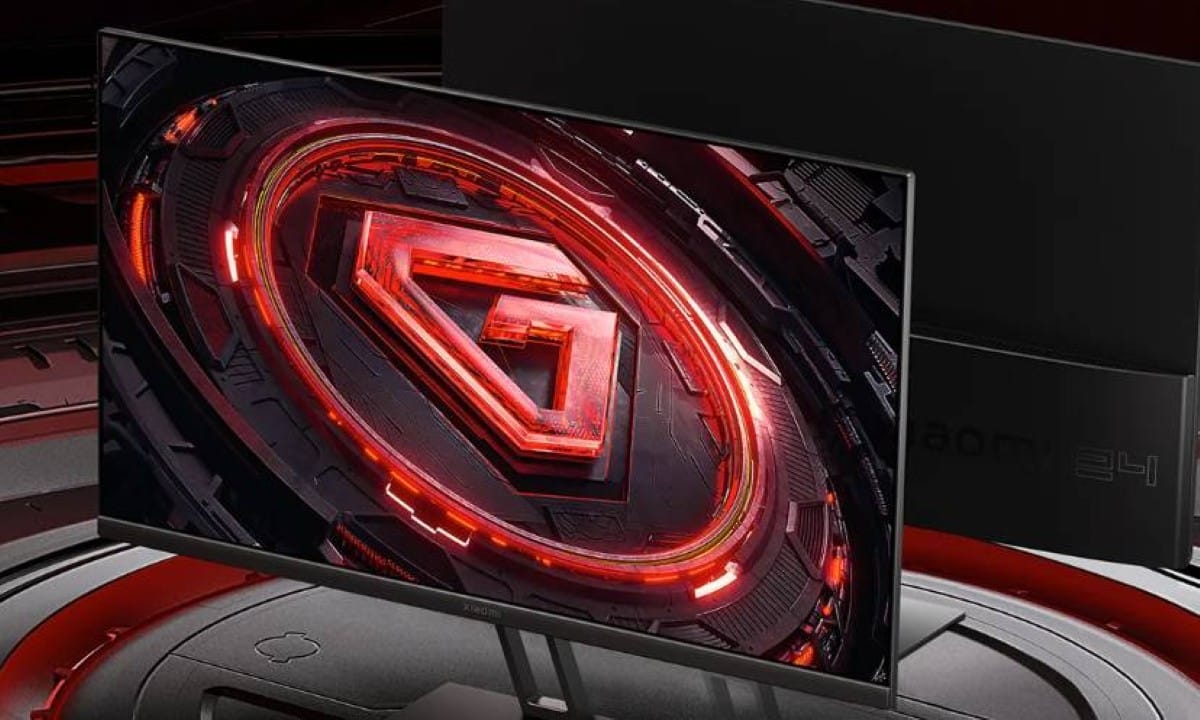
Chinese manufacturer Xiaomi has officially announced the arrival of a new device aimed at people looking for high performance without spending a lot: the Redmi G25 monitor. The peripheral draws attention for delivering an impressive fluidity of 200 Hz on a 24.5-inch display with Full HD definition. First sold in the Asian market for a suggested price of 609 yuan, the hardware has the mission of democratizing access to specifications previously restricted to premium products.
To guarantee this agility, the brand chose to incorporate a Fast IPS screen, a technology known for combining vivid tones with an almost imperceptible delay. The technology giant focuses directly on esports enthusiasts, where every millisecond matters during online matches. So far, the company has not released an official schedule for the global distribution of the peripheral, leaving Brazilian consumers waiting for news about official imports.
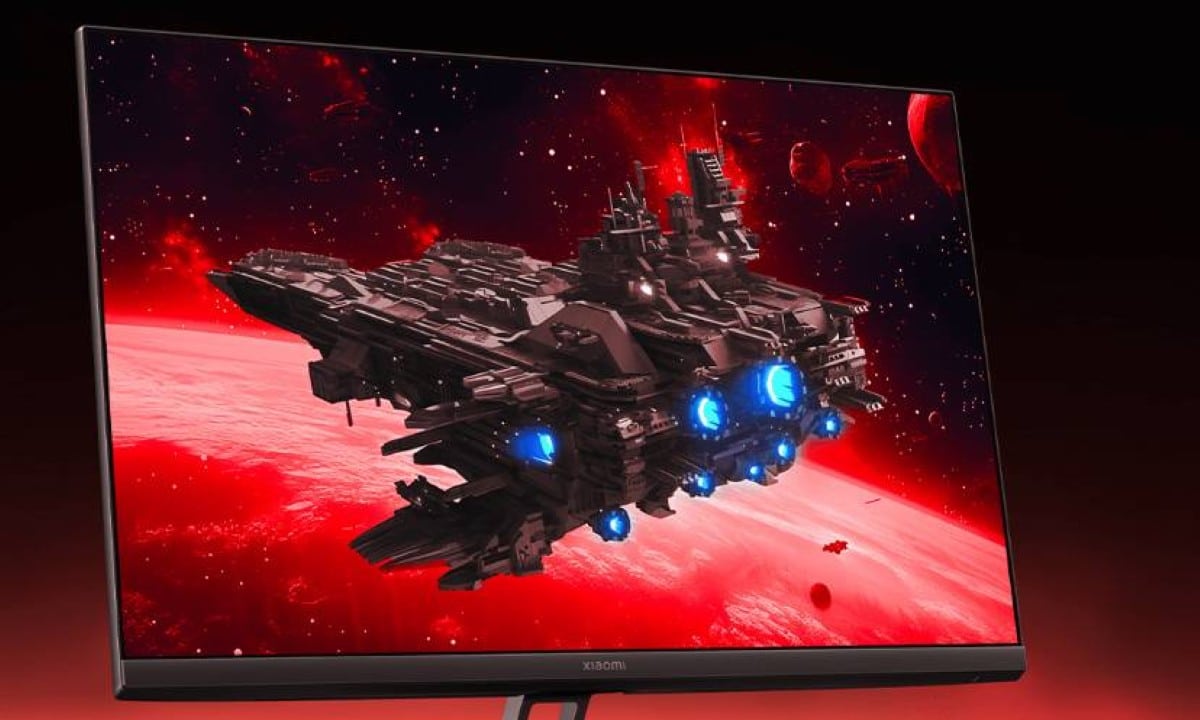
The introduction of this hardware consolidates the Asian company’s plan to strengthen the Redmi sub-brand within the desktop computer ecosystem. The announcement comes at a time when demand for fast and cheap displays is reaching record levels, driven by the massive popularization of free competitive games.
Screen specs that boost Redmi G25 performance
In terms of image quality, the equipment operates at the traditional resolution of 1920 x 1080 pixels, maintaining the classic 16:9 aspect ratio. The ability to update the image two hundred times per second is the device’s greatest asset, eliminating visual traces during high-motion scenes. This extreme rate has become the gold standard for those competing in electronic game tournaments, as it guarantees a much clearer visual reading of the virtual environment in fractions of a second.
Another relevant technical detail is the response time stipulated at just 1 millisecond in the GtG standard, which measures the transition from gray to gray. When added to the brightness that reaches peaks of 400 nits, the display can deliver comfortable viewing even in rooms well lit by sunlight. The native contrast ratio set at 1000:1 ensures that dark areas in games are not washed out, preserving the depth of shadows and the details of night scenes.
Visual fidelity and color accuracy in Xiaomi’s new panel
Avoiding the stigma that cheap screens have poor colors, the launch covers 95% of the DCI-P3 spectrum, a standard widely used in the film industry. Furthermore, the hardware fills 100% of the sRGB scale, which allows it to be used for initial graphic design work and video editing for the internet. An important difference is that the manufacturer carries out an individual factory calibration on each unit, guaranteeing a color variation of less than 2 on the Delta E scale.
This level of care in manufacturing puts the product a step above most direct competitors in the same price range. Users will notice much greater immersion when exploring virtual worlds rich in details, where the vibrancy of colors transforms the visual experience. To complete the image package, HDR 400 certification is present, significantly improving dynamic range when consuming movies or games compatible with high contrast technology.
Port options and connections integrated into the monitor
On the back, engineers equipped the device with the essential HDMI 2.0 and DisplayPort 1.4 inputs. Both interfaces have enough bandwidth to extract maximum fluidity from the panel without any type of technical bottleneck or image compression. There is also a traditional 3.5 millimeter connector, making life easier for those who prefer to plug the headset directly into the screen instead of finding the port in the computer case.
Although the number of connections is modest, this was a strategic decision to keep the final product value as low as possible on the assembly line. Even so, the offered set perfectly meets the overwhelming majority of modern computers and consoles of the current generation. The system also features native compatibility with frame synchronization tools, ensuring perfect communication with the main video cards on the market.
Synchronization technologies to eliminate image tearing
By enabling FreeSync technology, the monitor starts to work in total harmony with the graphics card, adjusting the screen update according to the game rendering in real time. This process completely eliminates those annoying horizontal cuts and image stutters that harm gameplay. Users who have Nvidia graphics accelerators can also rest assured, as the equipment was designed to be fully compatible with the G-Sync standard.
The great advantage of these technologies is the ability to act dynamically, regardless of whether the game is running at 60 or 200 frames per second. This means that even in moments of intense explosions where PC performance drops drastically, the image will remain smooth and jerk-free. For those who play ranked games, this visual stability directly translates into a considerable competitive advantage over opponents.
Physical structure, adjustments and design focused on compact setups
The table support that comes with the product is simple and only allows you to change the angle at which the screen is tilted forward or backward. However, the housing has a VESA standard hole of 75 x 75 millimeters, allowing the installation of articulated arms purchased separately for greater ergonomics. Its ultra-thin edges and slim profile help save precious desk space and make it much easier to transport to in-person esports events.
Thanks to the nature of the chosen panel, images do not lose color or contrast even when viewed at extreme angles of up to 178 degrees. This feature is excellent for those who plan to set up a workstation with two or three screens positioned side by side. The anti-reflective coating applied to the display is another design success, as it blocks glare from ceiling lamps or nearby windows, preventing distractions during daily use.
Launch values and impact on the hardware market
The equipment’s greatest attraction is, without a doubt, its initial cost in Chinese territory, set at 609 yuan, which represents approximately R$456 in direct conversion, excluding import taxes and fees. With this label, the peripheral costs considerably less than rivals from traditional brands that offer the same technical specifications. The manufacturer thus reinforces its global reputation for delivering products with an almost unbeatable balance between price charged and embedded technology.
The current market shows that consumers are no longer satisfied with the old 144 Hz standard, looking for more and more speed without having to empty their wallets. The company’s past launches had already prepared the ground for this new generation of more accessible and powerful displays. Now, this new 24.5-inch model arrives exactly to make up for the lack of smaller, but extremely agile, options on international retail shelves.
Why the chosen format benefits eSports players
The combination of a very high refresh rate with an almost zero response time creates a virtual environment where the delay between the mouse click and the action on the screen is virtually non-existent. Fans of tactical shooters or multiplayer battle arenas immediately feel the difference in aiming accuracy and character movement. Adaptive synchronization tools come in as a vital complement, ensuring that no detail goes unnoticed in the heat of combat.
Historically, the 24.5-inch size has been considered the ideal format by eSports professionals, as it allows the player to see all the peripheral action without having to turn their neck. Furthermore, the choice for Full HD resolution is strategic: it requires much less processing power from the video card, making it easier for an intermediate computer to reach the 200 frames per second mark. This combination of factors makes the device an extremely smart choice for most homes.
Evolution of the line and differences in relation to past generations
When placed side by side with its bigger brother, the Redmi G27, it is clear that the brand’s new bet has given up on superior resolution to focus purely on extreme update speed. Maintaining the 1080p standard was the solution found by engineers to reduce production costs and guarantee the thermal stability of the panel. The definitive transition to Fast IPS technology also marks a giant leap in quality when compared to the old VA panels used in the first generations.
The leap in color accuracy is notable, especially with the adoption of the DCI-P3 standard, something extremely rare in equipment aimed at tight budgets. Old monitors in this same category used to only deliver the basics of the sRGB spectrum, resulting in washed out and lifeless images during gaming. This technical improvement transforms the peripheral into a hybrid tool, serving both nighttime fun and creative work during office hours.
With this launch, the Asian giant once and for all plants its flag in the competitive sector of peripherals aimed at the entry-level gamer audience. By combining a respectable technical specification with a highly aggressive value, the product has everything it needs to become an absolute sales success among consumers who research in depth before purchasing. The strategy makes it clear that expanding the IT catalog will continue to be one of the company’s top priorities for the coming years.





