
July lunar phenomenon prepares the sky for a major solar blackout in Europe in 2026

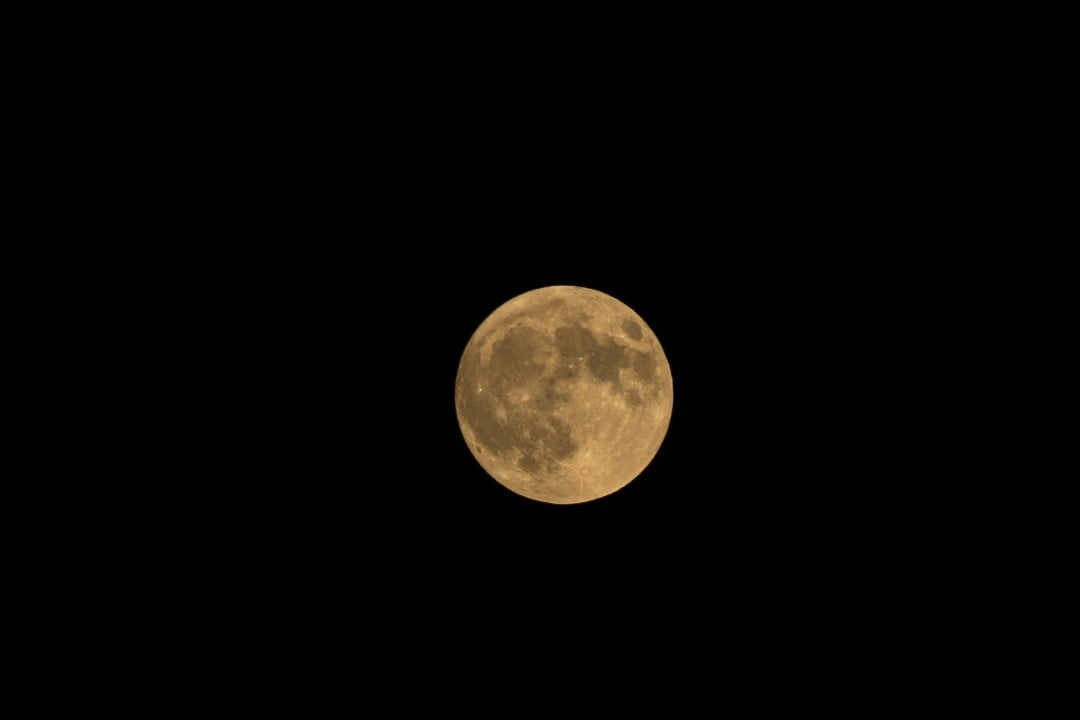
The astronomical calendar reserves a spectacle of epic proportions for the year 2026, beginning its most intense phase at the end of July. The appearance of the traditional full phase of our natural satellite, scheduled for the 29th of that month, will act as a visual prelude to an even more dramatic event. This is the mechanical preparation of the solar system for a total eclipse, which will turn day into night in specific parts of the globe weeks later.
This dynamic between celestial bodies demonstrates the mathematical precision of our galaxy, where each orbital movement is perfectly synchronized. Although maximum nighttime illumination occurs at the end of July, it is the transition to the new phase that will allow the exact alignment between the Earth, the Moon and the Sun. Experts point out that this interval between the two phenomena generates great expectation in the scientific community and among amateur observers.
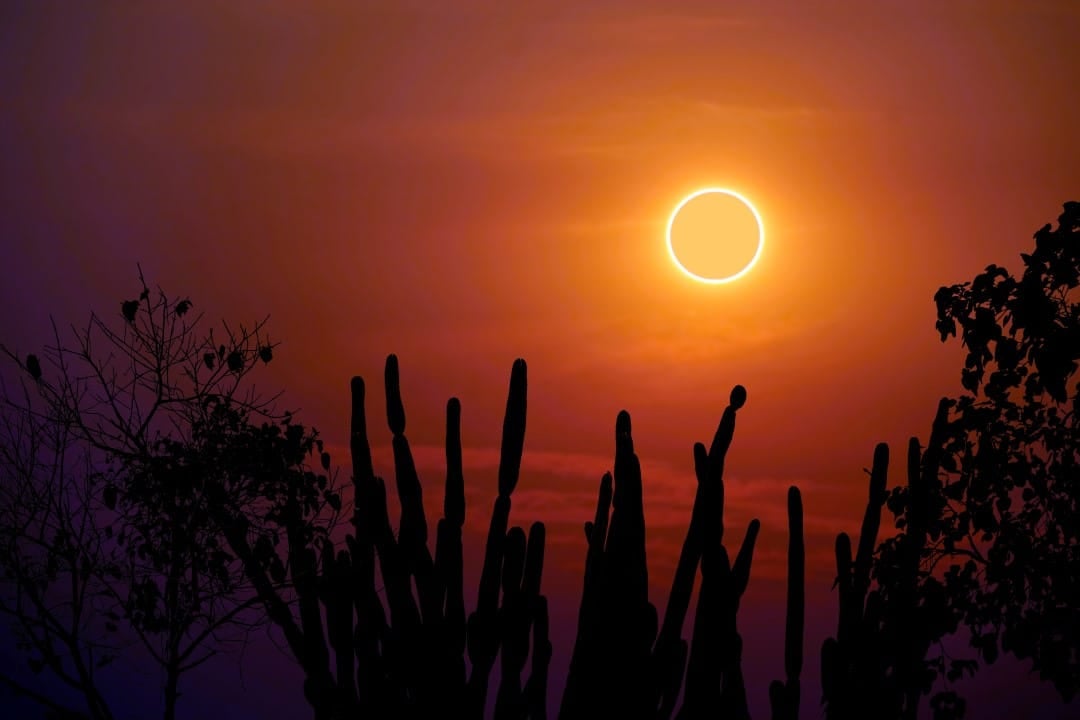
The visual impact of a total blockage of sunlight usually attracts crowds to the totality bands, boosting international scientific tourism. The sequential occurrence of such an iconic full moon followed by a daytime blackout creates a privileged observation window for researchers. Astronomical institutions are already beginning to map the best coordinates to record the atmospheric changes that accompany the abrupt drop in temperature during darkness.
Historical origin and cultural significance of the natural satellite in the northern hemisphere summer
The peculiar nomenclature given to the July lunar phase bears a direct inheritance from the ancient native tribes of the North American continent. Native peoples, especially those of the Algonquian nation, used changes in the natural environment to mark the passage of time and organize their hunting and gathering activities. The specific term makes direct reference to the biological cycle of large male mammals that inhabit the temperate forests of that region.
During the height of summer in the Northern Hemisphere, deer enter a phase of rapid growth of their antlers, which appear covered in a thin layer of velvety tissue. This annual bone renewal process coincides exactly with the maximum illumination of the night sky at this time of year. Close observation of nature allowed these communities to create a calendar perfectly synchronized with the behavior of local fauna.
In addition to the reference to animals, other ancestral cultures baptized the same period with different names, reflecting the climatic characteristics of their territories. Some traditions call the event the Thunder Moon, due to the high incidence of summer electrical storms that often hit the Plains during hot afternoons. All this folklore richness adds a layer of cultural fascination to the purely mathematical data of modern astronomy.
Shadow trajectory and the best places to observe planetary alignment
The peak of solar blocking, which will follow the July lunar cycle, has an extremely specific visibility route coveted by eclipse hunters. The band of totality will cross remote areas of the Arctic Ocean, passing through Greenland and Iceland before reaching the European continent. This downward trajectory will provide dramatic scenes, with the black sun hovering over glacial landscapes and, later, over the sea.
In Europe, the Iberian Peninsula will be the main stage for the show, offering unique geographical conditions for contemplating the phenomenon. Cities located in northern Spain and specific regions of Portugal will have the privilege of seeing the day completely darken just before sunset. The star’s low elevation on the horizon will create optical illusions and atmospheric distortions that yield spectacular photographs and valuable data for solar physicists.
The rarity of an event of this magnitude crossing densely populated European countries makes the occasion even more special for the general public. Unlike eclipses that occur over open oceans or inhospitable deserts, local infrastructure will make it easier for millions of people to access the zone of maximum darkness. Traffic and tourism authorities are already studying the logistical impact that mass displacement will cause on European highways during the week of the event.
Astronomical schedule and other visual spectacles expected for the same period
The end of July and the beginning of August form one of the most active windows for observing space with the naked eye. The intense brightness of the natural satellite on July 29th will directly influence the visibility of other smaller celestial bodies that cross our atmosphere. Meteor showers, such as the famous Perseids and Delta Aquarids, reach their peaks of activity precisely during this transition of months.
To maximize the contemplation experience during this season of intense space activity, experts recommend rigorous planning. The combination of different phenomena requires different preparations, depending on what the observer wants to prioritize on their night or day journey. Some fundamental practices guarantee the success of the astronomical expedition:
- Advance travel route planning for rural areas with low levels of light pollution and less likelihood of cloud cover.
- Prior acquisition of internationally certified sunscreens that block ultraviolet and infrared radiation during the partial phase.
- Verification of the exact start and end times of totality for the specific geographic coordinate where the observation group will be positioned.
The absence of artificial light nearby is the most critical factor for those who want to capture the passage of meteors before the new moon brings the eclipse. Photography equipment needs to be calibrated in advance, as the time window to record the solar corona lasts only a few precious minutes. Amateur astronomy groups often run simulations months in advance to ensure that no technical details fail at the crucial moment.
Global preparations and the importance of using certified vision equipment
Eye safety remains the primary concern of health agencies and professional astronomers during solar alignments. Looking directly at the photosphere, even when it is almost completely covered, causes irreversible retinal burns in a matter of seconds. Conventional sunglasses, x-ray plates or old photographic films do not offer the necessary protection against invisible rays that damage visual cells.
The optical equipment market tends to see a rapid depletion of displays certified with the ISO 12312-2 seal as the date approaches. Schools and science centers play a vital role in distributing accurate information and organizing safe public viewing events. Mass awareness prevents a moment of scientific wonder from turning into a medical emergency for thousands of unsuspecting people.
The economic impact on regions harboring the totality band also requires robust government preparedness. Hotel chains in Spain and Portugal project maximum occupancy, while airlines plan extra flights to accommodate international demand. All this movement confirms that the movements of our solar system continue to exert a profound and tangible influence on contemporary society.





