
The night sky will have a peak in the Delta Aquarídeas do Sul and Alpha Capricornídeas meteor showers

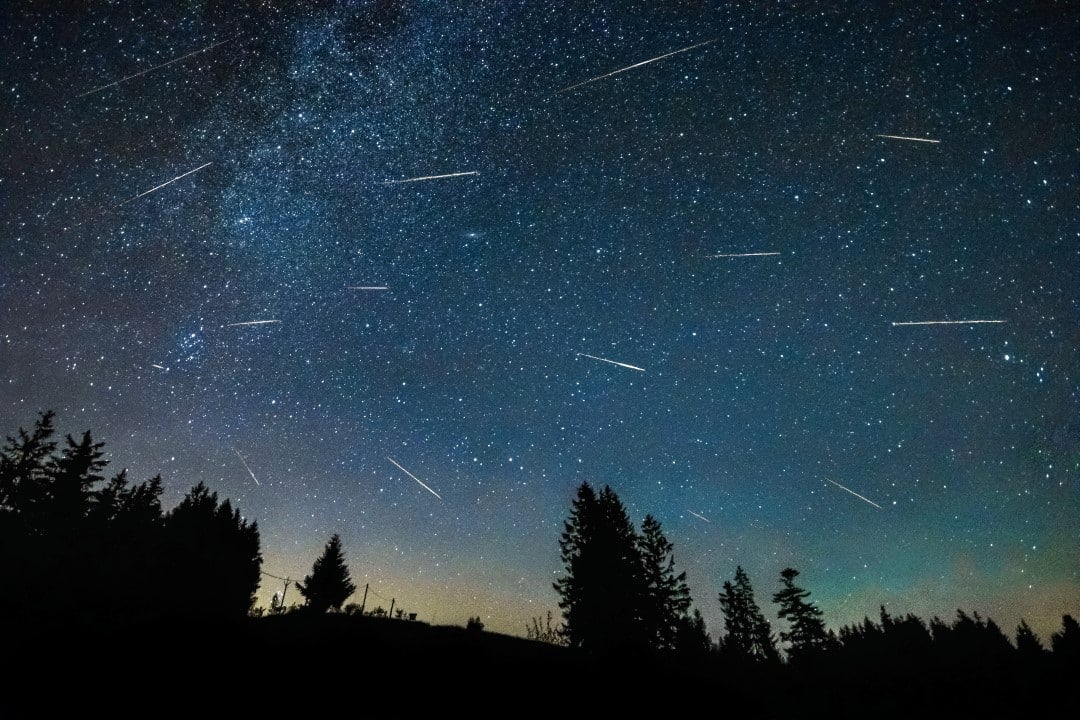
The Southern Delta Aquarids and Alpha Capricorns meteor showers are poised to peak in the skies with ideal observations. This astronomical phenomenon offers an opportunity for enthusiasts and the curious, especially in places with little light pollution, although the intensity is lower compared to more famous events such as the Perseids. The main tip is to look for dark skies and patience to enjoy the spectacle.
The Southern Delta Aquarids (SDA) meteor shower originates from comet 96P/Machholz and has its radiant point in the constellation Aquarius. Although it is most visible in the Southern Hemisphere, observers in mid-northern latitudes may also catch some of its tracks. This comet is a prolific source of debris, resulting in a fair amount of meteors.
The Alpha Capricornids (CAP) rain derives from comet 169P/NEAT and its radiant is located in the constellation of Capricorn. It is characterized by producing a smaller number of meteors, but it has the particularity of generating brighter and more eye-catching bolides, which can explode in the sky, creating an impressive appearance. This particularity makes it a distinct event, despite its low frequency.
The number and brightness of meteors in each shower are directly related to the size and fragmentation of the comets that give rise to them. Comet 96P/Machholz, for example, is influenced by Jupiter’s strong gravity, which causes it to fragment and release more debris throughout its orbit. This interaction creates a dense wake that the Earth crosses annually.
Guidelines for observing meteor showers
To have the best experience observing these phenomena, choose a location far from city lights, preferably in rural areas or national parks. Lie down comfortably and allow your eyes to adjust to the darkness for at least 30 minutes. The best period for observation is from midnight until dawn, when the rain radiant is highest in the sky.
The phase of the moon plays a crucial role in the visibility of meteors. The new moon, which occurred on July 26, guarantees a darker sky, without the lunar glow to overshadow the small luminous trails. It is important for observers to look toward the radiant of the showers, as this is where the meteors appear to originate, making it easier to identify the bright spots.
In addition to meteors, the night sky can also offer other points of interest. Jupiter, the brightest planet visible to the naked eye, will be easily identifiable. Saturn will also be visible and can be found near the constellation Capricorn. In very dark places, the Milky Way, our galaxy, will appear as a hazy band crossing the firmament.

Upcoming astronomical events on the calendar
For those who are enchanted by July’s meteor showers, there are other more active events to look forward to for the rest of the year. The Perseids, known for their high rate of meteors, will peak in August. In October, the Orionids promise another good show, while the Geminids in December are often considered one of the best annual showers, with lots of bright meteors.





