Apple transforms Siri in iOS 27 to surpass privacy-focused ChatGPT

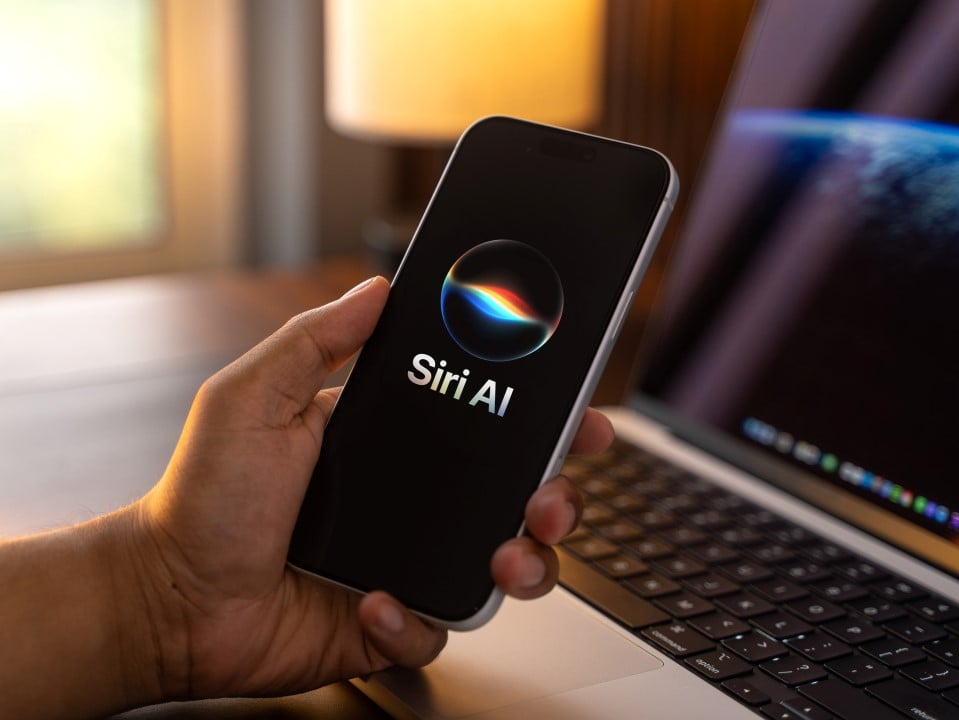
The iOS 27 operating system update marks a profound overhaul of Apple’s virtual assistant, which now operates as an advanced artificial intelligence chatbot. The software gained the ability to read the context of the cell phone screen, retrieve information from past conversations and execute complex commands within third-party applications. This change, awaited by the market since the boom in generative tools, includes access to internet data in real time and allows for a fluid two-way dialogue, abandoning the old format of isolated questions and answers.
With this technological leap, the Cupertino giant positions its tool as a direct alternative to ChatGPT, developed by OpenAI. To understand how this new dynamic works in daily use and whether the iPhone finally dispenses with external applications, experts conducted practical tests over seven days using the manufacturer’s native interface.
System requirements and amounts charged by platforms
Access to Apple’s new intelligence requires recent hardware, restricting the user base that can take advantage of the new feature. Only owners of the iPhone 15 Pro or higher models, running iOS 27, are able to activate the feature, which also requires A17 Pro processors or from the M1 line onwards for iPads and Mac computers. In addition to the equipment barrier, interested parties need to join a virtual queue to allow the installation of the data package.
The scenario is very different in the OpenAI ecosystem, which prioritizes mass accessibility. The ChatGPT app works seamlessly on older devices, requiring only iOS 17, iPadOS 17, or macOS 14, ensuring that millions of consumers without Apple’s latest chips also have powerful artificial intelligence in their pockets.
On the financial side, both companies deliver robust free versions, but differ in the monetization of premium features. Apple decided to build heavy cloud processing directly into the iCloud+ subscription, without charging extra fees to customers who already pay for storage. In contrast, OpenAI adopts a monthly subscription model with prices set in the United States at US$8, US$20 and US$100, corresponding to the Go, Plus and Pro plans, respectively.
Performance of artificial intelligence in the user’s routine
Automated conversation tools have taken on the role of modern oracles for everyday questions. Both the iPhone’s native assistant and the OpenAI system scour the internet in real time and cross-reference data from gigantic databases to deliver quick answers about cooking recipes, sports scores or technology tutorials. However, absolute accuracy is still a challenge, and both platforms experience occasional hallucinations that require human checking.
During the interaction, the personality programmed by Apple appears noticeably drier and more objective. The assistant avoids the use of emojis, jokes or colloquial tones, prioritizing the delivery of raw information. This approach results in shorter, more direct conversations, as the system does not amend unnecessary follow-up questions, a frequent behavior on the competing platform.
The great competitive advantage of the Cupertino solution lies in the deep integration with the operating system. AI can perform several simultaneous systemic actions, such as:
- Change complex device settings;
- Schedule meetings and manage the calendar;
- Send messages to specific contacts;
- Manipulate functions within other installed software.
As OpenAI comes up against iOS security restrictions, your application is isolated and unable to execute systemic commands, limiting itself to managing its own internal reminders.
In practice, the fluidity is impressive when the user asks the intelligence to locate a specific photo on Instagram and, from that image, request the creation of a packing list, plot the route on Apple Maps and start a themed playlist for the trip. This chain of actions, which mixes web browsing with native application control, is an insurmountable barrier for third-party software.
Level of personalization and machine learning
The use of personal data to refine responses is a reality in both services, but the engineering philosophies applied to shape each individual’s experience follow opposite paths.
The iPhone manufacturer’s trump card is the silent reading of the device’s history. The algorithm scans emails, notes, text messages, calendar events, and Safari browser history to build a hyper-personalized knowledge profile. The result is an assistant that rescues details forgotten by the cell phone owner, saving minutes of manual searches for lost files.
Despite this internal scanning, Apple’s software fails to keep a continuous record of previous conversations, discarding the context as soon as the chat ends. There is no persistent memory feature to dictate how the robot should behave in the future. On the other hand, the OpenAI product shines precisely by allowing the consumer to adjust the level of formality, empathy and size of responses, evolving with each new interaction.
For the public who sees technology only as a utilitarian tool, the coldness of the native iOS system sounds like a relief. There is a significant portion of consumers who just want to locate a document quickly, without having to deal with a machine that tries to simulate human emotions or develop its own personality.
Crucial Differences in Voice Interaction and Visual Analytics
Spoken communication reveals usability gaps between competitors. When Apple’s assistant begins to dictate a response, the microphone is blocked, preventing the person from cutting in to correct a command. The rival system keeps listening active at all times, allowing natural interruptions that perfectly imitate a real telephone conversation with a human being.
The disparity increases when the camera comes into action. The third-party app has a video mode that analyzes the environment in real time, answering questions about what’s happening in front of the lens. The solution integrated into the iPhone, in turn, can only process static images sent by the user, leaving something to be desired in terms of dynamism.
Ability to create media and visual arts
In the field of generative art, the update surpassed the cartoonish avatars seen in iOS 26 and now delivers illustrations with a reasonable degree of realism. However, when placed side by side with the renderings created by the OpenAI graphics engine, Apple’s images look amateurish and, in some attempts, generate severe visual distortions.
The generation of clips on the move consolidates the advantage of the independent platform, which has already mastered the creation of short videos from text commands. As the apple giant has not yet implemented any similar technology in its ecosystem, content creators remain dependent on external subscriptions.
Exclusive features and expansion by third-party applications
The OpenAI ecosystem has transformed into a complete productivity hub, housing the Atlas browser for Mac computers, robots customized for specific tasks, and an in-house extension store. Although Apple allows you to activate the competitor from within its own interface, this bridge is only for simple questions and cuts off access to all the advanced tools that justify the use of the original application.
Data processing and privacy policies
Information security is the central pillar of the engineering strategy at Cupertino. By default, the native system blocks the use of any personal data for training large language models, requiring the customer to expressly authorize sharing. In the opposite direction, the company that created ChatGPT collects and uses conversations automatically to improve its servers, forcing the user to navigate through complex menus to disable data collection.
Verdict on the use of tools in everyday life
The current market divides consumers into two large groups: those who ask sporadic questions to make their routine easier and professionals who outsource part of their work and studies to algorithms.
For the average citizen, the redesign delivered to the iPhone’s operating system solves the vast majority of problems. Even with occasional difficulties in understanding complex texts, the ease of controlling the cell phone with your voice and finding lost documents in the device’s memory makes downloading other applications an unnecessary step.
On the other hand, programmers, writers and enthusiasts looking for a high-performance virtual partner will continue to be linked to external services. The conclusion is that Apple’s new bet was surgically designed for a conservative public, delivering artificial intelligence that is contained, highly monitored and focused on utility, without scaring those who still distrust this technological revolution.